
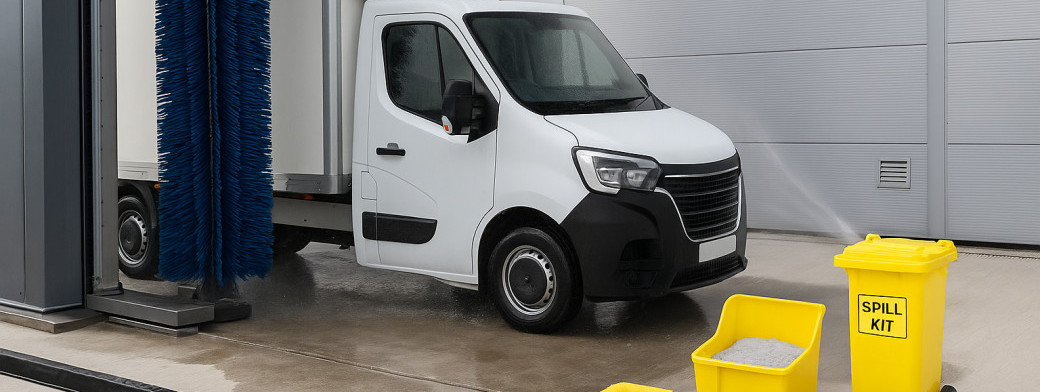
Introduction to Spill Control in Vehicle Wash Bays
Spill control refers to the strategies and measures implemented to prevent, contain, and clean up spills of hazardous substances such as detergents, oils, and fuels. In logistics vehicle wash bays, effective spill control is crucial not only for environmental protection but also for compliance with regulatory standards. The mishandling of these substances can lead to significant pollution, impacting local waterways and ecosystems. Therefore, understanding and implementing spill control measures is essential for any logistics operation.
The importance of spill control in logistics cannot be overstated. With the increasing scrutiny on environmental practices and regulations, companies in the logistics sector must prioritise spill prevention and response strategies. Not only does this protect the environment, but it also safeguards the company against legal repercussions and financial penalties associated with pollution incidents. Furthermore, effective spill management contributes to the overall safety and efficiency of vehicle wash operations.
This article will explore several key components of spill control in logistics vehicle wash bays. We will begin by discussing the various types of substances involved, including detergents, oils, and fuels, and the specific challenges each presents. Next, we will examine the role of interceptors in managing spill events and ensuring compliance with trade effluent regulations. Finally, we will provide guidance on best practices and compliance measures that logistics companies can adopt to enhance their spill control strategies. For more detailed information on spill control measures, visit Serpro's Spill Control Resource.
Understanding Detergents and Their Environmental Impact
In vehicle wash bays, the choice of detergents is crucial not only for cleaning efficiency but also for minimizing environmental impact. The types of detergents used can vary widely, ranging from traditional synthetic options to more eco-friendly biodegradable alternatives.
Types of Detergents
Detergents can be broadly categorized into two groups: anionic and non-ionic. Anionic detergents are effective at removing dirt and grease but can pose a risk to aquatic life if they enter water systems. Non-ionic detergents, while less harsh, may not be as effective in certain cleaning scenarios. Additionally, there are specialty detergents designed for specific applications, such as degreasers for heavy-duty cleaning.
Biodegradable Options
With increasing awareness of environmental sustainability, many logistics companies are opting for biodegradable detergents. These products break down more easily in the environment, reducing their potential to harm aquatic ecosystems. Biodegradable detergents often use natural surfactants derived from plant materials, making them a more responsible choice for wash bays.
Impact on Water Quality
The discharge of wash water containing detergents into the environment can significantly impact water quality. Many detergents contain phosphates and surfactants that can lead to eutrophication, a process that depletes oxygen in water bodies and harms fish and other aquatic organisms. Therefore, it is essential to ensure that all wash bays adhere to trade effluent compliance and follow guidelines set out by regulatory bodies such as GOV.UK. This ensures that wash water is treated correctly before being released into the environment, protecting local waterways from contamination.
Managing Oils and Fuels in Wash Bays
In logistics vehicle wash bays, the presence of oils and fuels is a significant concern due to their potential environmental impact and compliance requirements. Understanding common sources of these substances is essential for effective spill control.
Common Sources of Oils and Fuels
Oils and fuels can enter wash bays from various sources, including:
- Engine leaks from vehicles
- Spills during refuelling operations
- Residual oil from maintenance activities
- Contaminated water run-off from vehicles
Each of these sources can contribute to the accumulation of harmful substances in wash bay areas, necessitating a proactive approach to management.
Storage and Handling Best Practices
To mitigate the risks associated with oils and fuels, it is vital to implement best practices in storage and handling:
- Store oils and fuels in secure, labelled containers that are compliant with local regulations.
- Ensure that all containers are regularly inspected for leaks or deterioration.
- Utilise spill trays and absorbent materials to capture any accidental spills during handling.
- Train employees on proper handling techniques and spill response procedures.
These practices not only reduce the risk of spills but also contribute to a safer working environment.
Impact on Spill Control
The management of oils and fuels directly affects spill control strategies in wash bays. Implementing effective storage and handling practices decreases the likelihood of spills and ensures compliance with environmental regulations.
Moreover, understanding the regulatory framework is crucial. For guidance on waste and environmental permits, refer to GOV.UK. Adhering to these regulations helps in maintaining not just compliance, but also the integrity of local water systems and ecosystems.
By being proactive in managing oils and fuels, logistics companies can significantly reduce their environmental footprint while ensuring operational efficiency.
The Role of Interceptors in Spill Control
Interceptors are essential components in the management of potential spills in logistics vehicle wash bays. They serve as barriers that prevent contaminants, such as oils, fuels, and detergents, from entering the drainage system and ultimately reaching the environment. Understanding the different types of interceptors, their installation and maintenance, and compliance with regulations is crucial for effective spill control.
Types of Interceptors
There are several types of interceptors designed to manage specific pollutants:
- Oil interceptors: These are specifically designed to capture and separate oils from wastewater. They work on the principle of gravity, allowing oil to float on the water's surface and be collected in a separate chamber.
- Grease interceptors: Commonly used in areas where food waste might be a concern, these interceptors prevent grease and fats from entering the sewer system.
- Combined interceptors: These units can manage both oil and grease, making them suitable for diverse wash bay operations.
Installation and Maintenance
Proper installation of interceptors is critical for their effectiveness. They should be positioned at strategic points within the wash bay to capture runoff before it enters the drainage system. Regular maintenance is also vital; this includes routine inspections, cleaning, and ensuring that the interceptor is functioning as intended. Neglecting maintenance can lead to blockages and reduced efficiency, ultimately compromising spill control efforts.
Compliance with Regulations
Adhering to environmental regulations is essential for any logistics operation. Interceptors must be designed and installed in compliance with local regulations to meet trade effluent standards. Businesses should consult resources such as the GOV.UK guidance on pollution prevention and the NetRegs guidance for pollution prevention to ensure they understand their responsibilities. Failing to comply can result in hefty fines and damage to the environment.
For more information on the types of interceptors available and their installation, visit Serpro's Interceptors page.
Trade Effluent Compliance and Best Practices
Trade effluent refers to any liquid waste that is produced as a result of commercial activities, including those from vehicle wash bays. This can include detergents, oils, and fuels that must be managed carefully to prevent environmental pollution. Understanding the legal obligations surrounding trade effluent is crucial for logistics companies operating wash bays.
Legal Obligations
Businesses that discharge trade effluent into a public sewer are required to comply with specific regulations set by the local water authority. This includes obtaining a waste environmental permit and adhering to the conditions outlined within it. Failure to comply can result in significant fines and legal action. It is essential to understand the limits on certain pollutants, as detailed in the Guidance for Pollution Prevention, which provides comprehensive information on managing effluent from vehicle washing and cleaning activities.
Best Practices for Compliance
To ensure compliance with trade effluent regulations, logistics companies should adopt the following best practices:
- Regular Training: Ensure that staff are trained in spill control measures and the importance of trade effluent compliance.
- Effluent Monitoring: Implement regular monitoring of effluent quality to ensure it meets the required standards before discharge.
- Use of Interceptors: Install oil and fuel interceptors in wash bays to capture contaminants before they enter the drainage system.
- Proper Waste Disposal: Arrange for the safe disposal of any waste oils or chemicals in accordance with local regulations.
- Documentation: Keep detailed records of all effluent discharges and any incidents of spillage or non-compliance.
For further information on trade effluent and how to manage it effectively, visit Serpro's Trade Effluent page.
Product Recommendations for Effective Spill Control
When it comes to managing spills in logistics vehicle wash bays, the right products can make all the difference. Here are some recommendations for detergents, interceptors, and spill kits that can help maintain compliance and protect the environment.
Recommended Detergents
Using the right detergents is crucial for effective cleaning while minimising environmental impact. Look for biodegradable detergents that are specifically designed for vehicle washing. These products break down more easily and reduce the risk of pollution.
Types of Interceptors
Interceptors play a vital role in preventing contaminants from entering drainage systems. There are several types to consider:
- Oil Water Separators: These devices efficiently separate oils and fuels from wash water, ensuring that only clean water is discharged.
- Coalescing Interceptors: Designed to capture smaller oil droplets, these are ideal for wash bays that handle significant amounts of oily water.
- Full Retention Interceptors: These systems are capable of handling large volumes of water and are essential in areas with high rainfall or wash water runoff.
For more information on interceptor types and their applications, refer to the GOV.UK guidance on pollution prevention.
Best Spill Kits
A well-equipped spill kit is essential for immediate response to any accidental spills. Look for kits that include:
- Absorbent Pads: Quick and effective for soaking up liquids.
- Granular Absorbents: Ideal for larger spills and can be used on various surfaces.
- Protective Gear: Ensure that personnel have gloves, goggles, and other protective equipment readily available.
Regularly check and restock your spill kits to ensure they are always ready for use. For comprehensive product recommendations, visit Serpro's product page.
For more detailed information on trade effluent compliance and best practices in vehicle wash bays, consult the GOV.UK waste environmental permits page.
Conclusion and Call to Action
In conclusion, effective spill control in logistics vehicle wash bays is critical for both environmental protection and compliance with regulatory standards. The management of detergents, oils, and fuels, along with the proper use of interceptors, plays a vital role in preventing pollution and ensuring that trade effluent is handled responsibly. By implementing robust spill control measures, businesses can mitigate risks associated with hazardous substances and contribute to a cleaner environment.
We encourage all logistics operators and facility managers to review their current practices and assess the adequacy of their spill control strategies. Regular audits and staff training can significantly enhance your spill response capabilities and ensure compliance with relevant legislation, such as the GOV.UK guidance on pollution prevention and the NetRegs guidance for pollution prevention.
For more information on spill control solutions, consider visiting Serpro's Spill Control page, which offers valuable resources and products to help enhance your spill management efforts. Together, we can work towards reducing our environmental impact and ensuring compliance with waste management regulations as outlined by the GOV.UK waste environmental permits.
Take action today to safeguard your operations and the environment. Evaluate your current strategies, invest in training, and stay informed on best practices to ensure you are prepared for any spill scenario.