
Introduction to Spill Control in Waste Transfer Stations
Waste transfer stations are facilities that play a crucial role in the management of waste by acting as a temporary holding point before waste is transported to its final disposal site. These stations handle various types of waste, including municipal solid waste, recyclables, and hazardous materials. Given the diverse nature of the materials processed, effective spill control is essential to prevent environmental contamination and ensure public safety.
The importance of spill control in waste transfer stations cannot be overstated. Spills can lead to the release of harmful substances into the environment, posing risks to local ecosystems and human health. For instance, leachate from organic waste can contaminate groundwater, while mixed liquids and oils can create hazardous conditions. Moreover, chemical residues from industrial waste can have far-reaching impacts if not properly contained.
Overview of Potential Spills
- Leachate: This is the liquid that drains or 'leaches' from the waste, often containing pollutants that can seep into the soil and water systems.
- Mixed liquids: These can arise from the combination of various waste types, leading to unpredictable chemical reactions and increased toxicity.
- Oils: Spills from oil containers or machinery can lead to serious environmental damage, affecting both terrestrial and aquatic life.
- Chemical residues: These can result from the handling of hazardous materials, requiring strict adherence to safety protocols.
For more information on environmental responsibilities and permitting requirements, visit GOV.UK - Waste environmental permits. Understanding the legal framework, such as the Environmental Permitting Regulations 2016, is essential for compliance and effective spill management.
To explore comprehensive spill control strategies, check out Serpro's Spill Control resources.
Types of Spills: Leachate, Mixed Liquids, Oils, and Chemical Residues
Waste transfer stations are critical facilities in the management of waste, but they are also sites where various types of spills can occur, posing risks to the environment. Understanding these spills is essential for implementing effective spill control strategies.
Leachate
Leachate is a liquid that has percolated through waste and contains dissolved and suspended materials. It often results from rainfall or other water sources interacting with waste materials, leading to the leaching of harmful substances. Leachate can contain a variety of pollutants, including heavy metals and organic compounds, which can contaminate groundwater and soil if not properly managed. For further information on types of spills, visit Serpro.
Mixed Liquids
Mixed liquids can occur when different types of liquid waste come into contact with each other. This can include a combination of water, oils, chemicals, and other hazardous substances. For instance, a spill involving industrial wash water mixed with oils can create a complex mixture that is difficult to treat and poses significant environmental risks. Proper classification and handling of these mixed liquids are crucial to prevent environmental contamination.
Oils
Oil spills are particularly concerning due to their potential to cause extensive damage to aquatic ecosystems. Oil can coat surfaces, suffocating marine life and disrupting habitats. The impact of oil spills can be long-lasting, affecting not just the immediate area but also the wider environment. Preventative measures, such as spill containment systems, are essential to mitigate these risks.
Chemical Residues
Chemical residues from waste can pose serious health and environmental risks. These residues may include hazardous substances that can leach into the surrounding environment, leading to soil and water contamination. The risks associated with chemical residues necessitate strict compliance with regulations, such as those outlined in the Environmental Permitting Regulations 2016, which govern how waste is stored, treated, and transferred.
In conclusion, understanding the different types of spills that can occur at waste transfer stations is essential for effective spill control and environmental protection. Implementing robust containment strategies and adhering to legal requirements can significantly reduce the risks associated with leachate, mixed liquids, oils, and chemical residues.
Containment Strategies for Effective Spill Control
Effective spill control is crucial for waste transfer stations to prevent environmental contamination and ensure compliance with regulations. Here are several containment strategies that can be implemented:
Secondary Containment Systems
One of the most effective methods for preventing spills is the installation of secondary containment systems. These systems are designed to capture any leaks or spills from primary containers, such as tanks or drums, ensuring that hazardous materials do not escape into the environment. Typical designs include bunded areas, which are walls or barriers that can hold the entire volume of the largest container, along with any additional spillage.
Use of Absorbents
Absorbents play a vital role in spill response, especially for mixed liquids, oils, and chemical residues. Utilizing absorbent materials such as pads, booms, and granules can effectively manage small spills and leaks. It is essential to choose the right type of absorbent based on the specific type of liquid being contained, ensuring maximum efficiency and safety.
Designing Spill Response Kits
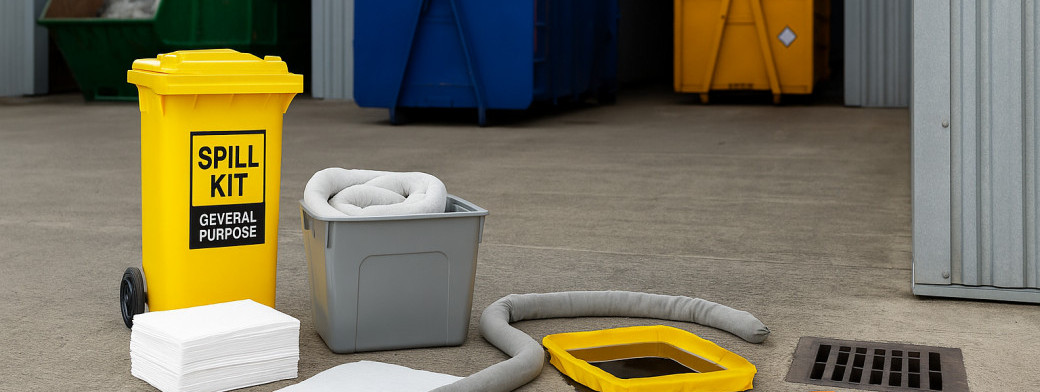
Having well-equipped spill response kits readily available is essential for quick action in the event of a spill. These kits should contain absorbent materials, personal protective equipment (PPE), and tools necessary for containment and cleanup. Regular training for staff on how to use these kits effectively can significantly reduce the impact of a spill.
Regular Maintenance of Containment Systems
To ensure the ongoing effectiveness of containment strategies, regular maintenance of containment systems is critical. This includes routine inspections for any signs of wear or damage, as well as cleaning and testing the systems to ensure they are functioning as intended. Adhering to guidelines from GOV.UK can help facilities maintain compliance with environmental permitting standards.
By implementing these containment strategies, waste transfer stations can significantly reduce the risk of spills, protect the environment, and comply with relevant regulations, such as those outlined in the Environmental Permitting Regulations 2016.
Environmental Monitoring Practices
Effective spill control in waste transfer stations hinges on robust environmental monitoring practices. These practices not only ensure compliance with regulations but also play a critical role in safeguarding the environment against potential contamination from leachate, mixed liquids, oils, and chemical residues.
Regular Inspections
Conducting regular inspections of the facility is essential for identifying potential spill risks before they escalate. Inspections should focus on areas such as storage tanks, transfer points, and any locations where leaks could occur. By maintaining a routine schedule, facilities can ensure that all equipment is functioning correctly and that any signs of wear or damage are promptly addressed.
Monitoring Leachate Levels
Leachate, the liquid that drains or 'leaches' from a landfill, can pose significant environmental risks if not managed properly. Monitoring leachate levels is crucial in preventing overflow and ensuring that containment systems are effective. Facilities should implement a systematic approach to measure leachate levels regularly, checking for any changes that might indicate a potential spill risk. This practice not only aids in compliance with waste environmental permits but also contributes to overall site safety.
Sampling Mixed Liquids
Another critical component of environmental monitoring is the sampling of mixed liquids. This process involves collecting samples from various points in the facility to analyse for harmful substances. By regularly sampling and testing these liquids, facilities can detect any hazardous materials that may have been inadvertently mixed and take corrective actions before a spill occurs.
Reporting and Documentation
Finally, maintaining comprehensive reporting and documentation of all monitoring activities is vital. This includes logging inspection results, leachate levels, and mixed liquid samples. Such documentation not only provides a detailed record for regulatory compliance but also serves as a valuable resource for identifying trends and potential issues over time. Adhering to the guidelines set forth in the Environmental Permitting Regulations 2016 will further enhance the effectiveness of these practices.
In conclusion, effective environmental monitoring practices are paramount for spill control in waste transfer stations. By implementing regular inspections, monitoring leachate levels, sampling mixed liquids, and maintaining thorough documentation, facilities can significantly reduce the risk of spills and protect the environment.
Compliance with UK/EU Regulations
Effective spill control in waste transfer stations is not only a best practice but also a legal requirement under the Environmental Permitting Regulations 2016. These regulations establish a robust framework for managing waste and ensuring that operations do not adversely impact the environment. Facilities must acquire the appropriate environmental permits to operate legally, which includes adhering to specific conditions regarding spill management and containment.
Importance of Compliance
Compliance with these regulations is crucial for several reasons. First and foremost, it protects the environment by minimising the risk of hazardous substances, such as leachate and oils, contaminating soil and water sources. Additionally, maintaining compliance helps to uphold the facility's reputation and fosters trust among the community and stakeholders. Regular audits and adherence to standards can also lead to operational efficiencies and cost savings in the long run.
Consequences of Non-Compliance
Failing to comply with the Environmental Permitting Regulations can have serious repercussions. Non-compliance can result in hefty fines, legal action, and even the revocation of operating permits. Furthermore, incidents of spills or leaks can lead to significant environmental damage, prompting costly clean-up efforts and long-term ecological harm. Facilities must take their regulatory obligations seriously to avoid these detrimental outcomes.
For more information on regulatory compliance, visit Serpro's Regulatory Compliance page.
Conclusion and Best Practices
In summary, effective spill control strategies for waste transfer stations must address various spill types, including leachate, mixed liquids, oils, and chemical residues. Each of these spill types poses unique challenges that require tailored containment strategies to protect the environment and public health.
The importance of training staff cannot be overstated. Regular training ensures that personnel are equipped to respond swiftly and effectively to spills, minimising potential harm. Staff should be familiar with the specific materials handled at the facility and the appropriate spill response techniques.
Additionally, it is crucial to conduct regular reviews of spill control plans. These reviews should assess the adequacy of current containment strategies, the effectiveness of training programs, and compliance with relevant regulations such as the Waste Environmental Permits and the Environmental Permitting Regulations 2016. By staying informed about changes in legislation and best practices, waste transfer stations can enhance their spill control measures and ensure ongoing compliance.
Implementing these best practices will not only contribute to the safety and sustainability of waste management operations but also foster a culture of environmental responsibility within the industry.