
Introduction to Spill Management in the Glass Industry
Spill management refers to the comprehensive processes and procedures employed to prevent, respond to, and mitigate the effects of spills, particularly those involving hazardous substances. In the glass industry, effective spill management is crucial as it not only ensures the safety of workers but also aids in maintaining compliance with HSE regulations.
Common Spills in Glass Manufacturing
In glass manufacturing and processing, some of the most common spills involve oils, coolants, cutting fluids, and cleaning chemicals. These substances, while essential for production, pose significant health and safety risks if not managed properly. For instance, oils and coolants can create slippery surfaces, increasing the likelihood of slips and falls, while cutting fluids can contain hazardous chemicals that require careful handling.
The Importance of Compliance with HSE Regulations
Compliance with HSE regulations is paramount in the glass industry. The COSHH framework outlines the necessary measures for controlling exposure to hazardous substances, ensuring that workers are protected from potential health risks. By implementing effective spill management systems, companies not only safeguard their employees but also avoid legal repercussions and financial penalties associated with non-compliance.
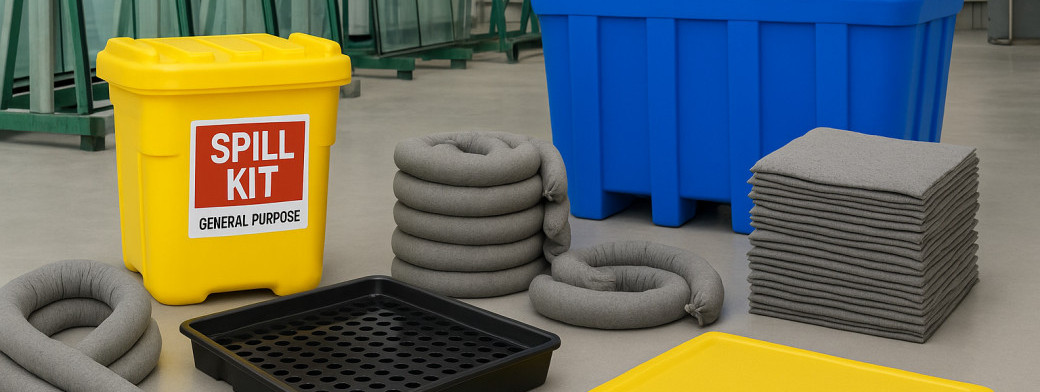
To further enhance spill management practices, companies can invest in resources such as spill kits and appropriate cleaning chemicals designed specifically for industrial applications. These tools are essential for prompt and effective clean-up, minimising the impact of spills on both personnel and the environment.
Types of Spills in Glass Manufacturing
In the glass manufacturing and processing industry, various types of spills can occur due to the use of oils, coolants, cutting fluids, and cleaning chemicals. Understanding the nature of these spills and their associated hazards is essential for effective spill management and prevention.
Oils
Spills involving oils are common in glass manufacturing, particularly during machine maintenance or lubrication processes. Oils can create slippery surfaces, leading to slip and fall accidents. Furthermore, many oils are flammable and can pose fire hazards if not managed properly. Regular monitoring and safe handling practices are crucial to minimise risks associated with oil spills. For more information on different types of oils used in the industry, visit Serpro Oils.
Coolants
Coolants are used extensively in glass processing to maintain optimal temperatures during cutting and grinding operations. A coolant spill can not only create hazardous walking conditions but may also lead to equipment damage if not cleaned up promptly. The chemicals in some coolants can be harmful to health, necessitating adherence to safety guidelines outlined in the HSE COSHH regulations to control exposure to these substances.
Cutting Fluids
Cutting fluids are employed to enhance the efficiency of cutting operations. These fluids can be toxic and may cause skin irritation or respiratory issues if inhaled. A spill can lead to significant health risks for workers, as well as environmental contamination. It is essential to follow safe clean-up procedures and ensure proper disposal of cutting fluids, which can be explored further at Serpro Cutting Fluids.
Cleaning Chemicals
The use of cleaning chemicals in the glass industry is vital for maintaining hygiene and equipment performance. However, spills from these substances can be particularly dangerous, as they may contain corrosive agents that can cause severe injuries. Proper training in handling and cleaning these chemicals is necessary to mitigate risks. The HSE guidance on safety in the glass sector provides valuable resources in this regard.
By understanding the different types of spills and their associated hazards, glass manufacturers can take proactive measures to prevent accidents and ensure the safety of their workforce.
Regulatory Framework for Spill Management
In the glass manufacturing and processing industry, effective spill management is not only a best practice but also a regulatory requirement. In the UK, the Health and Safety Executive (HSE) provides comprehensive guidelines that are crucial for maintaining safety standards and ensuring compliance within the sector. The HSE oversees various regulations that specifically address the management of spills, particularly concerning hazardous substances used in the industry.
Overview of HSE Regulations
The HSE outlines several regulations aimed at minimising risks associated with spills, including the Safety in the Handling of Flat Glass guidance. This operational guidance highlights key accident factors and the necessary precautions to prevent spills and manage them effectively when they occur. Adhering to these guidelines is essential for protecting both employees and the environment.
Specific Regulations Related to COSHH
The Control of Substances Hazardous to Health (COSHH) is particularly relevant in the context of spill management. Under COSHH regulations, employers are required to assess the risks posed by hazardous substances, including oils, coolants, cutting fluids, and cleaning chemicals. This includes implementing measures to control exposure, which is critical in spill scenarios. Proper training and equipment must be provided to ensure that employees can respond swiftly and safely to any spills that may occur.
Importance of Compliance
Compliance with HSE regulations and COSHH is not merely a legal obligation; it is vital for the well-being of employees and the surrounding community. Effective spill management can prevent accidents, reduce environmental impact, and enhance overall operational efficiency. For more detailed information on regulatory compliance, visit this resource.
Slip Prevention Strategies
In the glass manufacturing and processing industry, preventing slips and falls is crucial for maintaining a safe working environment. Spills from oils, coolants, cutting fluids, and cleaning chemicals can create hazardous conditions that lead to serious accidents and injuries. Therefore, implementing effective slip prevention strategies is essential not only for worker safety but also for operational efficiency.
Importance of Slip Prevention
Slip-related accidents are among the most common workplace incidents, often resulting in significant injuries and downtime. According to the HSE's guidance for the glass and glazing industry, these accidents can be avoided through proactive measures. Prioritising slip prevention helps foster a culture of safety, minimises liability, and enhances productivity.
Best Practices for Maintaining a Safe Workspace
- Regular Inspections: Conduct frequent inspections of work areas to identify and address potential slip hazards, such as spills and wet surfaces.
- Training: Provide comprehensive training for all employees on safe practices, including immediate reporting of spills and proper clean-up procedures.
- Signage: Use clear signage to alert employees to wet floors or areas where spills have occurred, ensuring they exercise caution.
Use of Absorbent Materials
Utilising absorbent materials is a key strategy for effective spill management. Keep absorbent pads, mats, and granules readily available in work areas prone to spills. These materials can quickly soak up oils, coolants, cutting fluids, and cleaning chemicals, reducing the risk of slips. For more information on effective slip prevention, visit Serpro's slip prevention guide.
By implementing these strategies, glass manufacturing facilities can significantly reduce the likelihood of slip-related incidents, ensuring a safer workplace for all employees.
Safe Clean-Up Procedures
In the glass manufacturing and processing industry, spills can pose significant risks not only to employees but also to the environment. It is crucial to implement effective clean-up procedures to mitigate these dangers. Below are the step-by-step procedures for safely cleaning up spills involving oils, coolants, cutting fluids, and cleaning chemicals.
Preparation Before Clean-Up
Before initiating any clean-up operation, assess the spill to determine its nature and the extent of contamination. This assessment will guide your clean-up strategy. Ensure that the area is cordoned off to prevent unauthorized personnel from entering the spill zone. Gather necessary tools and materials, including:
- Absorbent materials (e.g., spill pads, granules)
- Cleaning agents suitable for the specific type of spill
- Containers for waste disposal
- Warning signs to alert others of the spill
Personal Protective Equipment (PPE) Requirements
Prior to commencing clean-up, it is essential to equip yourself with appropriate personal protective equipment (PPE). Depending on the nature of the spill, this may include:
- Gloves (chemical-resistant)
- Safety goggles or face shields
- Protective clothing (e.g., long sleeves, coveralls)
- Respirators, if there is a risk of inhalation of harmful vapours
For detailed guidance on PPE requirements, refer to the HSE COSHH framework.
Proper Disposal Methods for Hazardous Materials
Once the area is cleaned, it is crucial to dispose of any hazardous materials appropriately. Follow these guidelines:
- Collect all contaminated materials and place them in clearly labelled waste containers.
- Ensure that the waste is disposed of in accordance with local regulations and guidelines. Consult the HSE Glass and Glazing Industry Guidance for specific disposal instructions.
- If using a clean-up kit, such as those found at Serpro clean-up kits, ensure all components are used as directed for safe disposal.
By adhering to these safe clean-up procedures, the glass industry can significantly reduce risks associated with spills, ensuring a safer working environment for all personnel.
Training and Awareness
In the glass manufacturing and processing industry, effective spill management is paramount to ensuring workplace safety and environmental protection. A proactive approach begins with comprehensive training programmes for staff, which equip employees with the necessary skills to handle spills confidently and efficiently. These programmes should cover the types of substances commonly encountered, such as oils, coolants, cutting fluids, and cleaning chemicals, and the specific procedures for managing spills safely.
Regular drills and assessments are essential to reinforce the training. Conducting routine spill response exercises enables employees to practice their skills in a controlled environment, ensuring they remain prepared for real-life situations. These drills not only enhance individual competencies but also promote teamwork and communication among staff, both of which are critical during an emergency.
Furthermore, creating a culture of safety within the workplace is vital. This culture encourages employees to be vigilant and proactive about spill prevention and response. Management should lead by example, demonstrating a commitment to safety through visible support for training initiatives and ongoing education. Resources such as the HSE – Glass and glazing industry guidance can provide valuable insights and best practices to support these efforts.
In summary, a well-trained workforce, regular practice, and a strong safety culture are key components in effective spill management. By prioritising these elements, glass manufacturers and processors can significantly reduce the risk of spills and their potential impact.
Conclusion and Best Practices
Effective spill management is crucial in the glass manufacturing and processing industry, where the use of oils, coolants, cutting fluids, and cleaning chemicals poses significant risks. Ensuring that spills are managed properly not only protects worker safety but also minimises environmental impact and maintains operational efficiency.
Adopting best practices in spill management is essential for any glass manufacturing facility. This includes implementing robust training programs for employees, regularly inspecting storage areas, and maintaining spill response kits readily available on-site. By fostering a culture of safety and preparedness, facilities can significantly reduce the likelihood of accidents and ensure swift and effective responses when spills do occur.
We encourage all glass industry stakeholders to not only implement these best practices but also to consider using Serpro products for their spill management needs. Serpro offers a range of effective solutions designed to facilitate safe clean-up and prevent slips, ensuring a safer workplace for all. By choosing Serpro, you are investing in safety and compliance, aligning with guidelines from the HSE – Glass and glazing industry guidance.
For more information on safe handling practices and the control of hazardous substances, refer to the HSE – COSHH framework and the HSE – Safety in the handling of flat glass operational guidance. Together, let’s create a safer working environment in the glass industry.