
Introduction
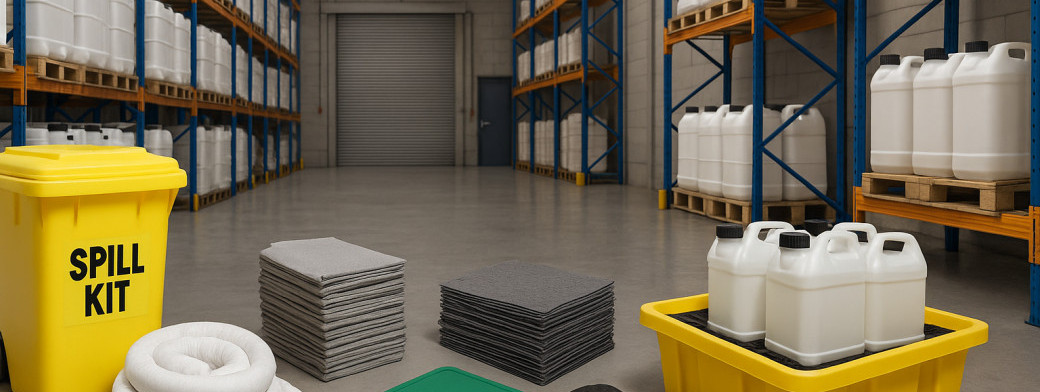
Spill control refers to the measures and practices implemented to prevent, manage, and mitigate the impact of hazardous substances when they escape their containers. In chemical distribution warehouses, effective spill management is crucial not only for the safety of employees but also for protecting the environment and ensuring compliance with legal standards.
The risks associated with chemical distribution warehouses are significant. These facilities often handle a variety of hazardous materials, including those stored in drums and Intermediate Bulk Containers (IBCs). The potential for spills increases during the handling and transfer of these substances, especially in loading bays and at transfer points. Additionally, mixed hazard storage can complicate spill response efforts, as different chemicals may react adversely when combined.
Implementing a robust spill control strategy is essential to mitigate these risks. According to the HSE guidance on the storage of packaged dangerous substances (HSG71), warehouses must adhere to strict safety protocols that include spill response planning, regular inspections, and appropriate training for staff. Furthermore, businesses must consider pollution prevention strategies as outlined by GOV.UK, which underscore the importance of controlling chemical storage and wash-down procedures.
By prioritising spill control, chemical distribution warehouses can significantly reduce the likelihood of accidents, protect their workforce, and maintain compliance with the Health and Safety Executive (HSE) standards. Understanding the importance of spill management is the first step towards creating a safer working environment for all.
Risks in Chemical Distribution Warehouses
Chemical distribution warehouses are critical in ensuring the safe handling, storage, and transportation of hazardous substances. However, they also present several risks that need to be carefully managed to prevent spills and environmental contamination. This section outlines the specific risks associated with drum and Intermediate Bulk Container (IBC) handling, mixed hazard storage, loading bays, and transfer points.
Drum Handling Risks
Drums are commonly used for storing and transporting chemicals, but improper handling can lead to significant risks. The weight and size of drums can make them difficult to manoeuvre, leading to potential spills during movement. Additionally, if drums are not secured correctly during storage, they can topple over, causing leaks. It is essential to implement proper training and use equipment such as drum trolleys to mitigate these risks.
IBC Handling Risks
Intermediate Bulk Containers (IBCs) pose their own set of handling risks. These large containers can contain substantial volumes of hazardous substances, and any spills during loading or unloading can result in significant contamination. The risk of leaks can increase if IBCs are not inspected regularly for damage or corrosion. Adopting best practices for IBC handling, including using appropriate lifting equipment and ensuring that the area around IBCs is free from obstructions, is vital for safety.
Mixed Hazard Storage Issues
Storing mixed hazards in chemical warehouses can complicate spill response efforts. Different chemicals may react adversely with one another, increasing the risk of fire or explosions in the event of a spill. It is crucial to segregate incompatible substances and adhere to the guidelines outlined in HSG71. Regular audits of storage practices can help identify potential risks associated with mixed hazard storage.
Loading Bay Hazards
Loading bays are high-traffic areas where the transfer of chemicals occurs, making them inherently risky. Spills during loading and unloading operations can be exacerbated by wet or slippery conditions, leading to slips and falls. Additionally, improper vehicle positioning can result in collisions or spills. Establishing clear protocols for loading bay operations and ensuring that spill kits are readily available can help mitigate these hazards.
Transfer Point Vulnerabilities
Transfer points, where chemicals are moved between containers or systems, are often points of high vulnerability for spills. The risk increases when transferring between different types of containers, such as from an IBC to a drum. It is essential to ensure that all transfer equipment is in good condition and that personnel are trained in spill response protocols. Regular inspections of transfer points, as recommended by the HSE, can help identify potential issues before they lead to spills.
To effectively manage these risks, warehouses should implement robust spill control measures, including bunding, drain protection, and regular inspection routines. For more information on bunding solutions, visit Serpro.
Best Practices for Spill Control
Effective spill control in chemical distribution warehouses is essential to protect both personnel and the environment. Here are some best practices to prevent spills:
Training Staff
One of the most crucial steps in spill prevention is ensuring that all staff members are adequately trained. This includes understanding the properties of the chemicals they handle, the risks associated with drum and IBC handling, and the importance of following safety protocols. Regular training sessions and refresher courses can help maintain high safety standards. For further guidance on health and safety in warehousing, refer to HSE's guide to health and safety.
Implementing Spill Response Plans
Having a robust spill response plan is vital for minimizing the impact of any potential spill. This plan should outline the steps to take in the event of a spill, including immediate containment measures and reporting procedures. It is also essential to conduct regular drills to ensure all staff are familiar with the plan. For comprehensive guidelines on pollution prevention for businesses, visit GOV.UK’s pollution prevention guidance.
Regular Maintenance and Checks
Regular maintenance of storage areas and equipment is vital in preventing spills. This includes checking for leaks in drum and IBC storage, ensuring that bunding is intact, and that drain protection systems are functioning correctly. Establishing a routine inspection schedule can help identify potential issues before they lead to spills. Additionally, consider using chemical absorbents for immediate containment and clean-up, as recommended by HSE guidelines on the storage of packaged dangerous substances found here.
By implementing these best practices, chemical distribution warehouses can significantly reduce the risk of spills, ensuring a safer working environment and compliance with regulatory standards.
Selecting Chemical Absorbents
Choosing the right chemical absorbents is crucial for effectively managing spills in chemical distribution warehouses. The selection process involves understanding the types of absorbents available, considering various factors, and ensuring proper storage of these materials.
Types of Absorbents
There are several types of absorbents that can be utilised in spill response:
- Universal Absorbents: Suitable for a wide range of liquids, including oils, solvents, and water-based substances.
- Oil Absorbents: Specifically designed to absorb oils and hydrocarbons while repelling water.
- Chemical Absorbents: Tailored for hazardous materials, these absorbents can neutralise specific chemicals.
- Granular Absorbents: Often used for larger spills; they can encapsulate liquids and provide a solid surface for clean-up.
Factors to Consider When Selecting Absorbents
When selecting absorbents, consider the following factors:
- Type of Chemical: Ensure the absorbent is compatible with the specific chemical being stored or handled. Refer to the HSE guidelines for more information on compatibility.
- Absorption Capacity: Assess the volume of potential spills and select absorbents that can handle the maximum possible quantity.
- Ease of Use: Choose absorbents that are easy to deploy and clean up, facilitating a swift response to spills.
- Disposal Requirements: Be aware of how to properly dispose of used absorbents, especially when dealing with hazardous materials.
Storage of Absorbents
Proper storage of absorbents is essential to ensure they remain effective and accessible. Store absorbents in a designated area that is:
- Clearly Marked: Use signage to indicate the storage location of absorbents.
- Protected from Contamination: Ensure that absorbents are stored in a clean, dry area away from potential contaminants.
- Accessible: Keep absorbents within easy reach of loading bays and transfer points to facilitate quick responses to spills.
For further information on selecting and using absorbents, visit Serpro.
Bunding and Drain Protection
Bunding is a critical component of spill control in chemical distribution warehouses. It refers to the construction of a containment area designed to prevent hazardous substances from escaping into the environment in the event of a spill or leak. Typically, bunds are made from impermeable materials and are positioned around storage areas, ensuring that any spilled chemicals are contained within a designated space, thus minimising environmental impact.
Compliance with regulations regarding bunding is essential. The HSE – The storage of packaged dangerous substances (HSG71) outlines specific guidelines for warehouses handling hazardous materials. Under the Control of Substances Hazardous to Health (COSHH) regulations, businesses must ensure that they have appropriate bunding measures in place to prevent spillages from causing harm to both the workforce and the environment.
Drain Protection Methods
In addition to bunding, effective drain protection is vital for preventing hazardous substances from entering the drainage system during a spill. There are several methods for ensuring drain protection:
- Drain Covers: Installing removable or permanent covers over drains can prevent accidental entry of chemicals during operations.
- Spill Kits: Keeping spill kits readily available near drain points allows for immediate response in the event of a spillage.
- Absorbent Materials: Using chemical absorbents to quickly encapsulate and contain spills can prevent them from reaching drains.
For further guidance on pollution prevention strategies, the GOV.UK – Pollution prevention for businesses provides comprehensive information that aligns with best practices for managing chemical hazards in warehouses.
Regular inspections and maintenance of bunding and drain protection systems are necessary to ensure their effectiveness and compliance with regulations. Implementing these measures not only protects the environment but also enhances workplace safety and operational efficiency.
For more information on bunding solutions, visit Serpro Bunding Solutions.
Inspection Routines
Establishing effective inspection routines is crucial for ensuring spill control measures in chemical distribution warehouses are functioning as intended. Regular inspections help identify potential risks and ensure compliance with HSE guidelines.
Frequency of Inspections
Inspections should be conducted at least weekly to ensure all spill control measures are operational and compliant. However, it is advisable to increase the frequency during high-risk periods, such as when new chemicals are introduced or during peak operational times.
Checklist for Inspections
Utilise the following checklist during inspections:
- Check the integrity of bunds and secondary containment systems.
- Inspect chemical absorbents for expiry dates and effectiveness.
- Ensure spill kits are stocked and accessible; refer to Serpro Spill Kits for suitable options.
- Examine loading bays and transfer points for signs of leakage or spillage.
- Verify that drainage systems are protected and that drain covers are in place.
- Assess training records to ensure staff are adequately trained in spill response.
Documentation of Findings
It is essential to document all findings from inspections. This documentation should include:
- Date and time of the inspection.
- Name of the inspector.
- Details of any issues identified and corrective actions taken.
- Follow-up dates for re-inspection, if necessary.
Maintaining thorough records not only aids in compliance with HSG71 but also helps in tracking improvements over time and ensuring ongoing safety within the warehouse.
Compliance with COSHH and Environment Agency Guidelines
Ensuring compliance with the Control of Substances Hazardous to Health (COSHH) and Environment Agency standards is paramount for effective spill control in chemical distribution warehouses. COSHH regulations are designed to protect workers from hazardous substances, outlining the necessary measures to assess and control risks associated with chemical handling, storage, and disposal.
Overview of COSHH
COSHH requires employers to identify hazardous substances in the workplace and implement appropriate risk assessments and control measures. This includes providing adequate training for staff on safe handling practices and ensuring that spill response plans are in place. Compliance with COSHH not only safeguards employee health but also minimises the risk of environmental contamination.
Key Regulations from the Environment Agency
The Environment Agency plays a critical role in regulating the storage and handling of chemicals to prevent pollution. Key regulations include the requirement for appropriate bunding systems to contain spills, regular inspections of storage areas, and adherence to guidelines for mixed hazard storage. Businesses must also ensure that all drainage systems are adequately protected to prevent runoff during spill incidents, as outlined in the Pollution Prevention for Businesses guidance.
Consequences of Non-Compliance
Failure to comply with COSHH and Environment Agency standards can result in severe consequences, including hefty fines, legal action, and damage to a company’s reputation. In addition to financial repercussions, non-compliance can lead to workplace accidents, environmental damage, and potential harm to the surrounding community. By adhering to these regulations, chemical distribution warehouses can foster a safer working environment and demonstrate their commitment to responsible chemical management.
For more information on effective spill control measures, consider exploring our range of spill kits designed specifically for chemical handling scenarios.
Conclusion
In summary, the risks associated with spill incidents in chemical distribution warehouses are significant and multifaceted. From the handling of drums and Intermediate Bulk Containers (IBCs) to the complexities of mixed hazard storage, loading bays, and transfer points, every aspect requires careful attention. Implementing effective spill control strategies is not merely a regulatory obligation but a crucial step towards ensuring the safety of personnel, protecting the environment, and maintaining operational integrity.
Businesses must take proactive measures by investing in appropriate spill kits, conducting regular inspections, and adhering to guidelines set forth by the HSE and GOV.UK. By fostering a culture of safety and compliance, companies can mitigate risks and enhance their overall operational resilience.
We encourage all businesses involved in chemical distribution to implement best practices in spill control. The time to act is now—protect your workforce, your assets, and the environment by prioritising spill prevention and response strategies.