
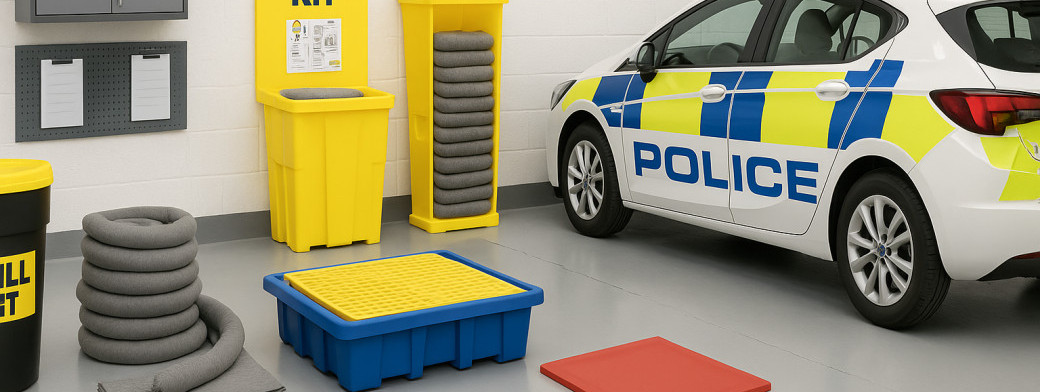
Introduction to Spill Preparedness
Spill preparedness is a critical aspect of operational safety in emergency services workshops, especially those dealing with fuels, oils, hydraulic fluids, and cleaning chemicals. It refers to the measures taken to prevent, manage, and mitigate the impacts of spills that may occur during routine maintenance, fuel handling, or cleaning processes.
Common spills in emergency services workshops often involve flammable materials such as petrol and diesel, lubricants, and hydraulic fluids, which are essential for the functioning of fire, ambulance, and police vehicles. Additionally, cleaning chemicals, which are necessary for maintaining hygiene and operational efficiency, can also pose a significant risk if not handled properly.
The importance of spill management cannot be overstated, as it plays a vital role in ensuring the safety of personnel and the surrounding environment. Effective spill management reduces the likelihood of accidents, protects employees from hazardous exposure, and minimizes the risk of environmental contamination. For further insights, refer to the HSE Motor Vehicle Repair Industry Guidance, which details the key hazards and controls relevant to workshop environments.
Moreover, understanding the regulations regarding the storage of oils and fuels is essential for compliance and risk reduction. The GOV.UK guidance on storing oil provides crucial information on spill prevention requirements that every workshop should adhere to.
By prioritising spill preparedness, emergency services can not only enhance their operational capabilities but also uphold their commitment to safety and environmental stewardship.
Best Practices for Spill Management
Effective spill management is crucial in emergency services workshops, especially when dealing with fuels, oils, hydraulic fluids, and cleaning chemicals. Implementing best practices can significantly reduce the risks associated with hazardous materials and ensure a safe working environment.
Regular Training for Staff
One of the most important steps in spill preparedness is ensuring that all staff members receive regular training. This training should cover the properties of hazardous materials, proper handling techniques, and the correct use of spill response equipment. Regular drills can also help reinforce these practices and keep staff aware of their responsibilities in the event of a spill. For further guidance on training protocols, refer to the HSE's guidance on health and safety in motor vehicle repair and associated industries.
Use of Spill Kits and Equipment
Having adequate spill kits readily available is essential for a swift response to any spills. These kits should be tailored to the specific types of materials used in the workshop. For example, spill kits for oil will differ from those needed for hydraulic fluids. Regularly inspect and replenish spill kits to ensure they are always ready for use. For more information on effective spill kits, visit Serpro's spill kits page.
Proper Storage and Labelling of Hazardous Materials
Proper storage and clear labelling of hazardous materials are fundamental to spill prevention. All fuels, oils, hydraulic fluids, and cleaning chemicals should be stored in designated areas that comply with safety regulations. Ensure that all containers are clearly labelled with their contents and hazard warnings, following guidelines outlined by the HSE. For more on hazardous materials management, check out Serpro's hazardous materials resources.
Emergency Response Plans
Every workshop should have a clear emergency response plan that details the steps to take in the event of a spill. This plan should include evacuation routes, emergency contact numbers, and roles and responsibilities for staff members. Make sure this plan is easily accessible and regularly reviewed to incorporate any changes in procedures or materials used in the workshop. Regular drills can help ensure that everyone is familiar with the emergency response plan and can act swiftly and efficiently in a real situation.
By implementing these best practices for spill management, emergency services workshops can create a safer working environment, minimise risks, and ensure compliance with health and safety regulations.
Specific Considerations for Fire Vehicles
Fire vehicles are critical to emergency response, and their maintenance requires careful handling of various fluids. Understanding the types of fluids commonly used in fire vehicles, potential hazards associated with these fluids, and effective spill response strategies is essential for maintaining safety in fire vehicle workshops.
Types of Fluids Commonly Used in Fire Vehicles
Fire vehicles typically utilise a range of fluids that are vital for their operation. These include:
- Fuels: Diesel or petrol fuels are essential for powering fire engines.
- Hydraulic fluids: Used in the operation of hydraulic systems, such as ladders and other lifting equipment.
- Oils: Engine oils and transmission fluids are necessary for lubrication and maintenance.
- Cleaning chemicals: Solvents and degreasers used for cleaning vehicle exteriors and equipment.
Potential Hazards Associated with These Fluids
Each of these fluids poses specific hazards that emergency service workshops must address:
- Flammability: Fuels and some cleaning chemicals are highly flammable, posing a significant fire risk.
- Toxicity: Hydraulic fluids and certain cleaning chemicals can be toxic if inhaled or ingested.
- Environmental risk: Spills can lead to environmental contamination, particularly with oils and fuels.
Specific Spill Response Strategies for Fire Vehicles
Implementing an effective spill response strategy is crucial for fire vehicle workshops. Consider the following best practices:
- Regular Training: Ensure all personnel are trained in spill response procedures and understand the hazards associated with fire vehicle fluids.
- Spill Kits: Equip workshops with appropriate spill kits containing absorbent materials, personal protective equipment (PPE), and containment barriers.
- Containment Measures: Use drip trays and secondary containment systems to prevent spills from spreading. Regularly inspect these systems for integrity.
- Emergency Procedures: Develop and communicate clear emergency procedures for spill incidents, including evacuation routes and reporting protocols.
For further guidance on managing risks associated with workshop environments, refer to HSE – Motor vehicle repair industry guidance and HSE – Health and safety in motor vehicle repair and associated industries (HSG261).
Specific Considerations for Ambulance Vehicles
Spill preparedness is vital in ambulance vehicle workshops, where the presence of medical supplies and cleaning chemicals can pose unique hazards. Understanding the types of spills that may occur and implementing best practices for spill management can significantly mitigate risks and ensure a safe environment for both staff and patients.
Common Spills Related to Medical Supplies
Ambulance vehicles often carry a variety of medical supplies, including medications, intravenous fluids, and disinfectants. Spills can occur due to improper storage, equipment malfunction, or during restocking. For instance, a broken vial or a leaking IV bag can lead to hazardous materials spreading across the workshop floor. It is essential to have clear protocols for handling these spills, including immediate containment measures and proper disposal methods.
Cleaning Chemicals Used in Ambulances
In addition to medical supplies, various cleaning chemicals are used to maintain hygiene standards within ambulances. These may include disinfectants, detergents, and solvents. Many of these substances can be harmful if spilled, leading to slips, respiratory issues, or chemical burns. Regular training on the safe handling and storage of these chemicals is crucial for workshop personnel.
Best Practices for Managing Spills
To effectively manage spills in ambulance vehicle workshops, consider the following best practices:
- Regular Training: Conduct spill response training sessions for all staff, ensuring they are familiar with the types of spills that can occur and the correct procedures to follow.
- Spill Kits: Equip workshops with appropriate spill kits tailored to the types of substances handled. These kits should include absorbents, PPE, and clear instructions for use.
- Labeling and Storage: Ensure that all medical supplies and cleaning chemicals are clearly labeled and stored in designated areas to prevent accidental spills.
- Immediate Response: Encourage prompt reporting and response to any spills, no matter how small, to prevent escalation and ensure safety.
- Regular Maintenance: Regularly inspect and maintain equipment to prevent leaks and spills, especially in storage areas for oils and chemicals.
By adhering to these practices and guidelines from the HSE, ambulance workshops can create a safer working environment, reducing the risk of accidents and ensuring that emergency services can operate effectively.
Specific Considerations for Police Vehicles
Police vehicles often operate under demanding conditions, requiring a variety of fuels and oils to ensure optimal performance. Common types of fuels include petrol and diesel, while oils can range from engine oils to transmission and hydraulic fluids. Each of these substances comes with its own set of spill management challenges, making it crucial for police vehicle workshops to implement effective spill preparedness strategies.
Risks Associated with Spills in Law Enforcement Contexts
Spills in police vehicle workshops can pose significant risks, not only to the environment but also to the health and safety of personnel. Fuels and oils are flammable, increasing the potential for fire hazards. Additionally, hydraulic fluids and cleaning chemicals may be toxic or hazardous, leading to health risks if not managed properly. The presence of these substances in a law enforcement setting can complicate emergency response efforts, necessitating a robust spill management plan.
Recommended Spill Management Practices
To mitigate the risks associated with spills, police vehicle workshops should adopt the following best practices:
- Regular Training: Ensure all personnel are trained in spill response procedures and are familiar with the types of fuels and oils used in the workshop. Training should include the proper use of personal protective equipment (PPE).
- Proper Storage: Follow guidelines for storing oil and other hazardous materials to prevent leaks and spills. Use secondary containment systems to catch any potential spills from storage tanks or containers.
- Spill Kits: Equip the workshop with appropriate spill kits that include absorbent materials, containment booms, and PPE. Kits should be easily accessible and regularly checked to ensure they are complete and in good condition.
- Routine Inspections: Conduct regular inspections of storage areas and vehicles to identify potential leaks or spills. Address any issues promptly to prevent escalation.
- Emergency Response Plans: Develop and implement clear emergency response plans that outline steps to take in the event of a spill. This should include contact information for local environmental agencies and emergency services.
For comprehensive guidance on health and safety in motor vehicle repair, refer to the HSE Motor Vehicle Repair Industry Guidance and the HSG261 publication.
Conclusion and Call to Action
In conclusion, spill preparedness is a crucial aspect of maintaining safety and environmental responsibility within emergency services workshops. The management of fuels, oils, hydraulic fluids, and cleaning chemicals requires diligent planning and proactive measures to prevent spills and mitigate their impacts. By implementing effective spill response strategies, workshops can protect both personnel and the environment while ensuring compliance with health and safety regulations.
We encourage all workshops to regularly review and improve their current practices regarding spill preparedness. This includes conducting risk assessments, ensuring proper storage of hazardous substances, and providing training for staff on spill response protocols. By fostering a culture of safety and preparedness, you can significantly reduce the risks associated with spills in your workshop.
For further information and resources on spill preparedness, consider visiting Serpro’s resource page, which offers valuable insights and guidelines tailored for workshop environments. Additionally, you can refer to the HSE Motor Vehicle Repair Industry Guidance and the HSG261 Health and Safety in Motor Vehicle Repair for comprehensive details on managing hazards and ensuring safety in your operations. Lastly, for information on proper oil storage and spill prevention, check out the GOV.UK guidance.
Take action today to enhance your spill preparedness measures and contribute to a safer, more environmentally responsible workshop.