
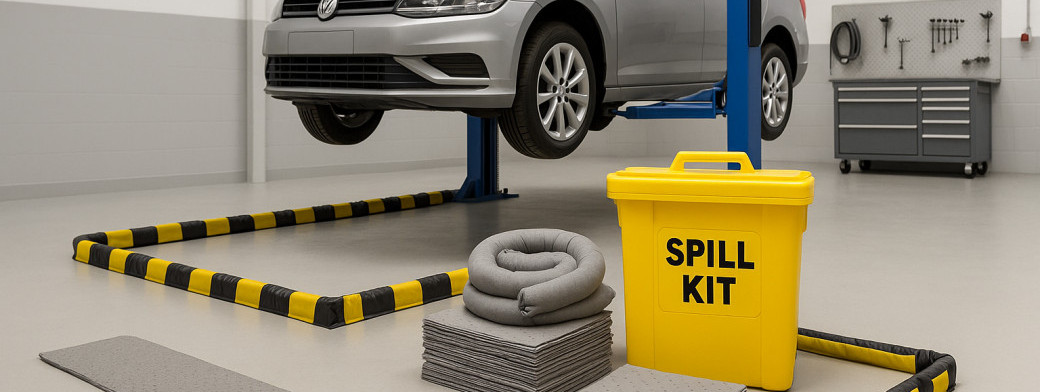
Introduction
Spill management refers to the systematic approach taken to prevent, control, and clean up spills of hazardous substances, ensuring a safe working environment. In the context of automotive bodyshops, effective spill management is crucial due to the frequent use of solvents and paints that can pose significant health and safety risks.
The automotive bodyshop environment is characterised by the use of various chemicals, including paints, solvents, and other hazardous materials. These substances, while essential for vehicle repair and finishing, can lead to spills that create not only environmental hazards but also health risks for workers. Understanding the dynamics of spill management within this setting is vital for maintaining safety and compliance.
Compliance with health and safety regulations is paramount in automotive bodyshops. Regulations such as the HSE – Working safely with solvents (INDG273) outline essential practices for handling and controlling exposure to solvents. Not only does proper spill management protect employees from potential accidents and illnesses, but it also ensures compliance with legal standards, such as the Control of Substances Hazardous to Health (COSHH) regulations, and the Dangerous Substances and Explosive Atmospheres Regulations (DSEAR), which govern the handling of flammable substances.
In summary, effective spill management in automotive bodyshops is essential for safeguarding workers' health, protecting the environment, and ensuring compliance with industry regulations. By implementing robust spill management strategies, bodyshops can mitigate risks associated with solvent and paint spills, creating a safer workplace for all.
Health and Fire Risks
In automotive bodyshops, the use of various solvents and paints is commonplace, which introduces several health and fire risks that must be managed effectively. Common solvents used in these environments include thinners, acetone, and toluene. While essential for tasks such as paint application and cleaning, these substances can pose severe health hazards if not handled properly.
Health Risks Associated with Solvent Exposure
Exposure to solvents can lead to a range of health issues, including:
- Respiratory problems: Inhalation of solvent vapours can irritate the respiratory tract and lead to long-term lung damage.
- Nervous system effects: Solvent exposure has been linked to neurological issues, including headaches, dizziness, and in severe cases, permanent nerve damage.
- Skin irritation: Direct contact with solvents can cause skin rashes and dermatitis, highlighting the importance of using personal protective equipment (PPE).
For comprehensive advice on managing health risks from hazardous substances, refer to the HSE COSHH guidelines.
Fire Risks Due to Flammable Materials
In addition to health hazards, the presence of flammable materials in bodyshops creates significant fire risks. Many solvents are classified as flammable, which means that improper storage or accidental spills can lead to fire outbreaks. It is crucial to maintain a fire-safe environment by adhering to strict safety protocols, including:
- Storing solvents in designated, ventilated areas away from ignition sources.
- Regularly inspecting spray booths and storage areas for leaks or spills.
- Implementing a comprehensive spill response plan to address any incidents quickly and effectively.
For further guidance on managing fire and explosion risks, consult the HSE DSEAR guidance.
Importance of Effective Spill Management
Effective spill management in automotive bodyshops is not just a regulatory requirement; it is a critical aspect of maintaining a safe working environment. Inadequate spill management can lead to serious consequences, including workplace accidents, environmental damage, and health risks associated with exposure to hazardous substances. For example, spills of solvents and paints can create slip hazards, while the inhalation of toxic fumes poses significant health threats to employees.
Consequences of Inadequate Spill Management
Failure to manage spills properly can result in legal implications, including hefty fines and penalties from regulatory bodies. Bodyshops must comply with regulations such as the Control of Substances Hazardous to Health (COSHH) which mandates the assessment and control of health risks from hazardous substances. Non-compliance may also lead to increased insurance premiums and potential closure of the business due to safety violations.
Legal Implications and Regulatory Compliance
Automotive bodyshops are required to adhere to various health and safety regulations, including those outlined in the Dangerous Substances and Explosive Atmospheres Regulations (DSEAR). These regulations stipulate that businesses must have measures in place to control risks associated with flammable substances, which are commonly found in paints and solvents used in bodyshops.
Benefits of Proactive Spill Management
On the other hand, implementing proactive spill management strategies can yield numerous benefits. Not only does it enhance workplace safety, but it also fosters a culture of responsibility and care among employees. Furthermore, effective spill management can lead to financial savings by minimizing waste and preventing costly clean-up operations. For more insights on the benefits of spill management, visit here.
In conclusion, prioritising effective spill management is essential for automotive bodyshops to ensure safety, compliance, and operational efficiency.
Recommended Absorbents for Solvents
Managing solvent spills effectively is crucial in automotive bodyshops to ensure safety and compliance with health regulations. Choosing the right absorbent material can make a significant difference in spill management. Below is a list of recommended absorbents suitable for solvent spills.
Types of Absorbents Suitable for Solvent Spills
- Granular Absorbents: Often made from clay or synthetic materials, these absorbents are effective for soaking up large volumes of liquid and are easy to dispose of.
- Absorbent Mats: These are designed for quick response to spills and can absorb a variety of solvents. They are particularly useful in areas where spills are more likely to occur.
- Oil-Only Absorbents: Specifically designed to absorb oils and hydrocarbons, these are ideal for solvent spills, as they repel water and focus on the chemical at hand.
Comparison of Absorbent Materials
When selecting absorbent materials, consider the following:
| Material Type | Absorption Capacity | Cost | Ease of Use |
|---|---|---|---|
| Granular | High | Low | Moderate |
| Mats | Moderate | Moderate | High |
| Oil-Only | Very High | High | High |
Guidelines for Selecting the Right Absorbent
When choosing an absorbent, consider the following guidelines:
- Assess the type of solvent being used and its properties. Refer to the HSE guidance on working safely with solvents for more information.
- Evaluate the spill potential in your workspace and select absorbents that match the anticipated spill size and frequency.
- Ensure that the absorbents comply with your local regulations and standards for hazardous materials.
For a comprehensive range of absorbents, visit Serpro's absorbents page.
Safe Segregation Practices
In automotive bodyshops, effective spill management begins with the safe segregation of hazardous materials such as solvents and paints. Implementing best practices in this area is crucial for preventing spills and ensuring a safe working environment.
Storage Guidelines for Solvents and Paints
All solvents and paints should be stored in designated, well-ventilated areas that are specifically designed for hazardous materials. Use appropriate storage containers that are compatible with the substances they hold, and ensure that these containers are clearly marked with their contents. The COSHH guidelines provide valuable information on how to assess and control health risks from hazardous substances, including proper storage methods.
Labeling and Signage Requirements
Proper labeling is essential for the safe handling of hazardous materials. All containers must be labelled with the contents, hazard symbols, and safety information in accordance with the HSE guidance on working safely with solvents. Additionally, clear signage should be placed in areas where these materials are stored and used, warning of the potential hazards and the need for personal protective equipment (PPE).
Training Staff on Safe Handling Practices
Training is a critical component of effective spill management. Staff should receive regular training on safe handling practices for solvents and paints, including the importance of following storage guidelines and recognizing hazards. Resources such as safe handling training materials can enhance understanding and compliance among team members. Furthermore, familiarising staff with the DSEAR guidance will help them understand fire and explosion risks associated with flammable substances.
Spill Response Steps
Effective spill management is crucial in automotive bodyshops, particularly when dealing with hazardous substances such as solvents and paints. Here’s a step-by-step guide on how to respond to spills when they occur:
Immediate Actions Upon Spill Detection
- Assess the Situation: Quickly evaluate the size and nature of the spill. Determine if it poses an immediate threat to health or safety.
- Evacuate the Area: If the spill is significant or involves flammable substances, evacuate all personnel from the vicinity to ensure their safety.
- Isolate the Spill: If safe to do so, contain the spill using absorbent materials or barriers to prevent it from spreading.
Notification Procedures
- Inform Supervisors: Notify your supervisor or the designated safety officer immediately about the spill.
- Activate Emergency Procedures: If necessary, activate emergency response protocols as outlined in your bodyshop’s spill response plan.
- Document the Incident: Keep a record of the spill details, including the type of substance, location, time, and actions taken.
Cleanup and Disposal Methods
- Use Appropriate Personal Protective Equipment (PPE): Before commencing cleanup, ensure that you are wearing suitable PPE, such as gloves and goggles.
- Clean Up the Spill: Use absorbent materials specifically designed for the type of solvent or paint spilled. Follow the spill response guidelines provided by your bodyshop.
- Disposal of Waste: Dispose of the contaminated materials in accordance with local regulations and best practices for hazardous waste management. Refer to the HSE guidelines on working safely with solvents for further information.
Following these steps will ensure a prompt and effective response to spills, safeguarding the health and safety of all personnel in the bodyshop.
DSEAR Controls and Compliance
The DSEAR (Dangerous Substances and Explosive Atmospheres Regulations) is a crucial piece of legislation for automotive bodyshops that handle flammable substances such as solvents and paints. Compliance with DSEAR is essential to ensure the safety of employees and the workplace. The regulations require that employers assess the risks associated with dangerous substances and implement appropriate control measures to mitigate those risks.
Overview of DSEAR Requirements
DSEAR mandates that all workplaces must identify and assess the risks associated with dangerous substances. This includes creating a comprehensive risk assessment that considers the nature of the substances used and the potential for explosive atmospheres. Bodyshops must ensure that they have adequate measures in place to prevent the ignition of such atmospheres and protect employees from potential harm.
Risk Assessment Procedures
A thorough risk assessment is the cornerstone of DSEAR compliance. Bodyshops should follow a systematic approach that includes:
- Identifying all dangerous substances present in the workplace.
- Evaluating the potential risks associated with these substances, including their flammability and the likelihood of explosive atmospheres.
- Documenting findings and implementing necessary control measures.
For guidance on conducting effective risk assessments, refer to the HSE COSHH guidelines, which provide an excellent framework for assessing and controlling health risks from hazardous substances.
Control Measures for Flammable Substances
Once risks have been assessed, bodyshops must implement control measures to protect against the dangers posed by flammable substances. These can include:
- Using appropriate storage solutions for solvents and paints to minimise exposure.
- Installing explosion-proof equipment in areas where flammable vapours may accumulate.
- Regularly maintaining and inspecting spray booths to ensure effective ventilation and containment.
For a more detailed overview of DSEAR compliance, visit this resource which offers additional insights and recommendations for bodyshops.
Conclusion
In conclusion, effective spill management is essential in automotive bodyshops, particularly when dealing with hazardous substances such as solvents and paints. By implementing comprehensive spill response plans and maintaining a high standard of housekeeping in spray booths, bodyshops can significantly reduce the risks associated with spills. Not only does this safeguard the health and safety of employees, but it also protects the environment and ensures compliance with legal obligations.
DSEAR compliance is another critical aspect that bodyshops must prioritise. Understanding the risks associated with flammable substances and ensuring that appropriate measures are in place to mitigate these risks is vital for creating a safe workplace. For more detailed guidance on managing fire and explosion risks, refer to the HSE DSEAR guidance.
As the automotive industry continues to evolve, it is crucial for bodyshops to stay ahead of the curve by implementing best practices in spill management and DSEAR compliance. For more information on effective spill management strategies, visit Serpro's spill management page. By doing so, bodyshops not only enhance their operational efficiency but also contribute to a safer and more sustainable industry.
References
- https://www.hse.gov.uk/pubns/indg273.htm
- https://www.hse.gov.uk/fireandexplosion/dsear.htm
- https://www.hse.gov.uk/coshh/
Podcast - Preventing Invisible Bodyshop Solvent Explosions
Podcast - Transcript