
Last reviewed: 13 November 2026
Endurance racing adds fatigue and overnight work to the usual hazards of a motorsport garage. Oil changes, coolant checks, fuel handling and component replacement may continue through several shifts. A minor leak left behind at a handover can become a slip, fire or mechanical hazard for the next crew.
Control fluid-handling work at every changeover
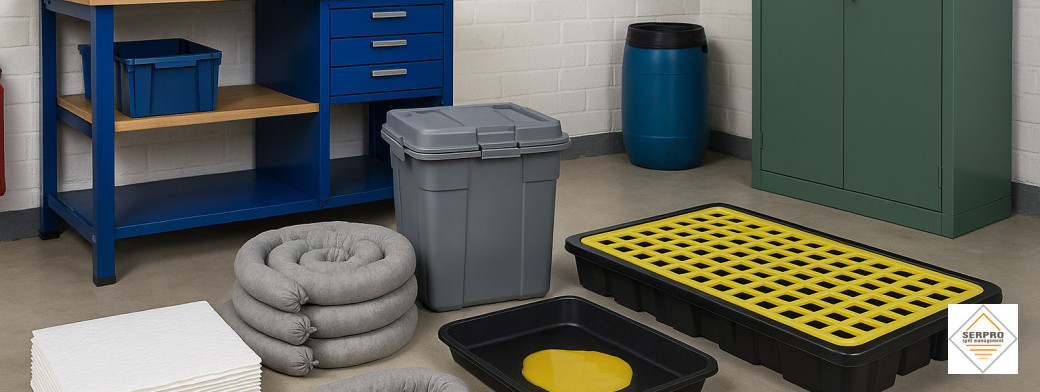
Identify dedicated places for refuelling, draining fluids and storing opened containers. Use drip trays beneath authorised maintenance tasks, inspect caps and couplings and keep tools off contaminated floor areas. Place oil-only absorbents within safe reach for small, known hydrocarbon leaks, but assess coolants, brake fluids and cleaners separately.
Set up a visibly labelled spill kit point without obstructing emergency routes. Used materials must not accumulate beside hot exhausts or electrical equipment. If a fuel release creates a vapour or ignition hazard, stop the operation and follow the circuit’s emergency rules rather than attempting a routine clean-up.
Include spills in the shift handover
A simple handover should say which car or system leaked, whether the source was repaired, where contaminated material was stored and whether additional supplies are needed. Do not leave an unverified patch of floor for an incoming mechanic to discover under time pressure. Brief visiting staff on evacuation routes and paddock restrictions.
HSE guidance on event emergency planning reinforces the need for clear responsibility and coordinated escalation; the organiser’s operational and fire rules remain essential.
Prepare for the next stint
Remove residues with an approved method, ensure walking and working surfaces are dry and check that tyres or tools have not carried contamination elsewhere. Record repeated leaks for engineering attention. Strong housekeeping supports performance, but no timetable should override safe isolation or repair.
