
Published: 15 September 2026
Last updated: 26 August 2026
Why is Spill Management Crucial in Endurance Racing Garages?
Spill management is crucial in endurance racing garages because these are high-pressure pit and service areas where race vehicles are inspected, refuelled, repaired and turned around repeatedly over many hours, often through the night. In that environment, common spills such as oils, coolant and fuel can quickly create slip hazards, fire risk, contamination and avoidable delays unless suitable controls are in place. Practical measures typically include absorbent pads, absorbent rolls, oil-only or general purpose absorbents, containment with drip trays, clear spill stations, gloves, disposal bags and drain protection, supported by UK health and safety planning and emergency arrangements such as those outlined by the HSE for incidents and emergencies at events.
In simple terms, good spill discipline helps keep people upright, vehicles serviceable and the garage area organised during repeated stops when fatigue, time pressure and reduced visibility can make small leaks easier to miss. It also supports safer handling of petrol and other flammable liquids, with relevant workplace precautions reflected in HSE guidance on the safe use of petrol in garages. Spill control is not only about reacting after a leak; it is about setting up the bay so drips are expected, contained and cleared before they spread.
What makes spills especially risky during long events?
Endurance events multiply routine garage risks. A minor oil drip from a line check, a coolant release during component changes, or fuel splash during refuelling can become more serious when crews are rotating, tools are moving constantly and service stops happen back-to-back. Night work adds further housekeeping pressure, as shadows, tiredness and rushed handovers can delay clean-up or leave used absorbents in walkways.
Which controls matter most?
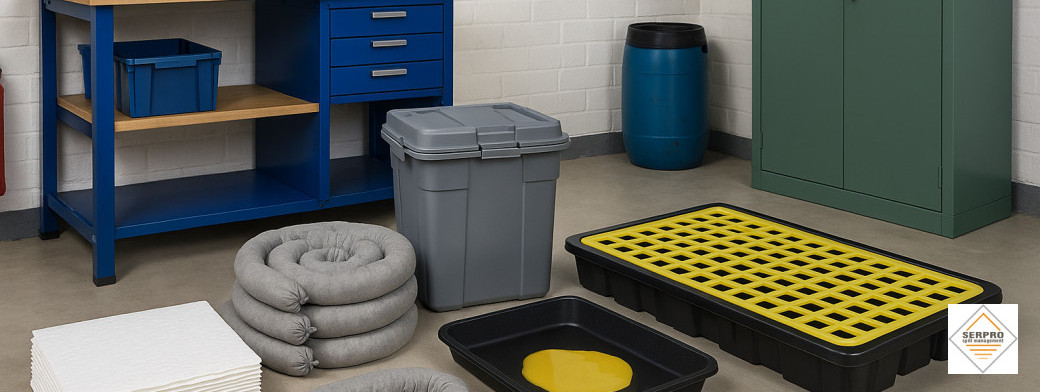
The most effective approach combines prevention, rapid response and tidy waste handling. Drip trays beneath likely leak points, pads and rolls placed close to work zones, absorbent socks around vulnerable areas, and clearly labelled small spill kits all help crews respond quickly. Floors should be checked routinely, drains protected where needed, and used materials separated for safe disposal. These controls reduce injury risk, support cleaner operations and help garages meet their wider safety and environmental responsibilities.
What Are the Common Liquids and Spill Sources in Racing Garages?
In endurance racing garages, the most common liquids are oils, coolant and fuel, and the most frequent spill sources are fast, repeated service stops where components are disconnected, topped up, drained or swapped under time pressure. During long events, even small drips can build into slip hazards, contaminate work areas and increase the chance of cross-contamination between tasks, which is why garages need clear housekeeping routines, suitable absorbents and easy access to spill kits.
Fatigue is a major factor. As the race moves into night work and crews rotate through long stints, concentration can dip, handovers may be less precise, and minor leaks are more likely to be missed. That matters because a few drops of oil or coolant on a smooth garage floor can quickly create the sort of slip risk highlighted by the HSE’s guidance on slips and trips, especially in busy pit and workshop environments.
Common liquids found in endurance racing garages
- Oils – including engine oil, gearbox oil and hydraulic fluids used during servicing and repairs.
- Coolant – released during top-ups, hose changes, radiator work or overheating-related checks.
- Fuel – present during refuelling operations, line connections, venting and container handling.
Typical spill sources during service stops
- Overfilling or hurried top-ups during pit servicing.
- Drips from removed filters, hoses, couplings and drain points.
- Leaks from fuel rigs, nozzles, dry-break connections or temporary containers.
- Residual liquid released when damaged parts are removed from the car.
- Tracked contamination from tools, gloves, tyres and trolley wheels moving between bays.
Repeated stops increase exposure because the same tasks happen again and again, often with less time for full clean-down between jobs. In practice, that means garages should expect routine minor spills rather than treat them as unusual events, with absorbent rolls, pads, drip trays and clearly marked response points kept close to the work area.
How Can We Prepare for Spills During Night Work?
Night work in an endurance racing garage needs tighter spill preparation because fatigue, reduced visibility and repeated service stops make small leaks easier to miss and poor housekeeping more likely. The best approach is to combine strong lighting, clearly placed spill equipment and simple response rules so crews can deal with oil, coolant and fuel quickly without slowing essential work or creating slip and pollution risks.
Preparation should focus on making hazards obvious and response actions automatic. In practice, that means well-lit work bays, marked spill stations, stocked absorbents, drain protection and brief shift handovers that confirm who responds, where waste goes and which areas need extra attention before the next car arrives.
Improve lighting and visibility around service areas
Good lighting is one of the most effective controls during night stops. Wet patches from oil or coolant can be difficult to spot on dark garage floors, especially near wheel guns, fuel equipment and underbody service points. Use bright, even lighting across the bay, add task lighting at known leak points, and check that shadows are not hiding drips behind tyres, hoses or tool trolleys. Keep floor markings, spill stations and bin labels easy to read at a glance.
Keep the right spill response equipment within reach
Night crews should not have to search for supplies. Place small spill kits, gloves, disposal bags, drip trays, absorbent pads, absorbent socks and absorbent rolls close to each working bay. Use oil-only absorbents where hydrocarbons are the main risk, and general purpose or chemical absorbents where mixed liquids may be present. Protect nearby drains with clearly accessible drain covers, in line with UK pollution prevention guidance from GOV.UK.
Train staff and tighten communication at handover
Training should be short, practical and repeated before night stints: who stops the source if safe, who contains the spill, who protects drains and who reports waste for disposal. Use simple radio phrases and handover checklists so the incoming shift knows about recurring leaks, low stock or contaminated areas. During long events, these communication habits help counter fatigue and keep spill discipline consistent from one service stop to the next.
What Spill Management Practices Should Be Implemented?
Endurance racing garages should implement spill management practices that are simple, visible and repeatable across every service stop. Because fatigue builds over long events and night work can reduce attention to detail, the best approach is to position the right absorbents at the point of use, inspect work areas regularly, separate waste correctly, and make spill response part of shift handovers. In practice, that means planning for oils, coolant and fuel drips before they spread, while keeping floors, drains and walkways under control.
Good spill discipline starts with matching materials to the likely liquid. Keep absorbent materials such as pads, rolls and socks close to refuelling, fluid top-up and wheel-change areas, with drip trays under known leak points. Pads are useful for quick wipe-ups and small drips, rolls help protect bench and floor edges during repeated tasks, and socks can be placed around equipment or along garage thresholds to stop liquids travelling into pedestrian routes or toward drains.
Build inspections into the event routine
Regular inspection routines are essential during long meetings. A quick check before each stint, after each stop and at every shift change helps crews spot fresh leaks, saturated absorbents, overfilled waste bags, poor lighting and trip hazards before they become bigger problems. Night work especially benefits from clearly labelled spill stations, consistent housekeeping standards and named responsibility for replenishing gloves, disposal bags and replacement absorbents.
Separate waste and dispose of it properly
Proper waste separation and disposal should be treated as part of the response, not an afterthought. Used oil absorbents, coolant-contaminated materials and fuel-related waste may need different handling, so teams should bag and label waste clearly and store it in the correct containers for onward disposal. This reduces cross-contamination, supports cleaner work areas and helps garages follow UK good practice on hazardous substances and petrol handling, as outlined by the HSE guidance on the safe use of petrol in garages.
Who Should Be Responsible for Spill Response?
Spill response in an endurance racing garage should never be left to whoever notices the problem first. Responsibility should sit with a designated spill response team, supported by clear instructions for all garage staff. In practice, that means every crew member should know how to make an area safe, raise the alarm and prevent slips, while named responders take charge of containment, clean-up, waste segregation and escalation where fuel, coolant or larger oil losses are involved.
This matters even more during long events, where fatigue, repeated pit activity and night working can blur decision-making. A simple division of roles helps: technicians stop the source if safe to do so, nearby staff protect the area from foot and vehicle traffic, and the spill team uses the correct absorbents, drip trays, drain protection and disposal bags. Clearly marked stations and spill station labelling make it easier to act quickly when visibility and concentration are reduced.
Define roles before the event starts
The designated spill response team should be identified on the event plan, shift board and garage briefing notes. One person per shift should act as lead responder, with deputies available during busy service windows. Their responsibilities should include checking spill kit stock, confirming access routes remain clear, and deciding when a spill needs wider reporting or support. General staff still need authority to isolate the area immediately, especially where contaminated floors could lead to slips and trips, as highlighted by the HSE’s workplace guidance on slips.
Training and handover are essential
Training requirements for staff should cover the liquids most likely to be encountered, the difference between oil-only, general purpose and chemical absorbents, safe use of gloves, and how to protect drains and waste streams. Brief, repeated toolbox talks are useful during multi-day events. Shift handover protocols should record any recent spills, low stock, saturated absorbents, blocked access points and temporary hazards left from the previous stint. In endurance garages, a good handover is part of spill control, not just team administration.
How Can We Ensure Effective Housekeeping to Prevent Spills?
Effective housekeeping in an endurance racing garage depends on making spill prevention part of every stop, not just the clean-up after one. Because crews work through fatigue, noise and repeated service cycles, small drips of oil, coolant and fuel can quickly turn into slip hazards, contamination risks and lost time. The most reliable approach is to combine regular cleaning schedules, proper storage of liquids, and simple containment measures such as drip trays, absorbent rolls and clearly positioned waste points.
Night work makes discipline even more important. Reduced visibility, rushed handovers and tired technicians increase the chance that a loose cap, overfilled container or unattended funnel will be missed. A tidy garage layout, backed by routine checks and immediate wipe-downs, helps prevent minor leaks from spreading across walkways, work bays and drain routes.
Set a cleaning routine for every shift
Regular cleaning schedules should be tied to the event rhythm: before running starts, after each major service stop, at shift change, and before overnight lulls end. Assign responsibility for checking the floor, benches, refuelling area and parts-cleaning zone. Quick inspections should look for fresh drips, saturated absorbents, trailing hoses and waste left underfoot. This supports safer footing and aligns with HSE advice on preventing slips and trips.
Store liquids so leaks are easier to control
Oils, coolant and other workshop liquids should be kept in sealed, labelled containers and returned to their storage point straight after use. Avoid leaving open bottles or part-used drums beside the car. Where practical, keep liquids off direct floor level and away from drains, following UK pollution prevention guidance in GOV.UK’s advice for businesses.
Use drip trays and containment as standard
Place drip trays beneath known leak points, fluid transfer areas and spare components awaiting fitment. Use absorbent socks to edge work zones and absorbent rolls for fast protection along benches or pit garage thresholds. Keep disposal points obvious, with suitable disposal bags nearby for used absorbents and contaminated housekeeping waste. In endurance racing, good housekeeping is less about one big response and more about repeating small, consistent controls until the chequered flag.