
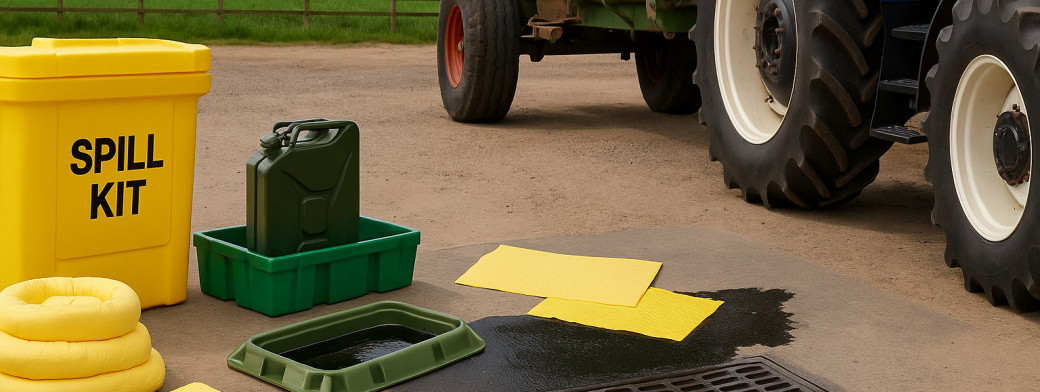
Introduction to Spill Control in Agriculture
Spill control refers to the measures and practices implemented to prevent, contain, and clean up spills of hazardous substances, particularly in environments where these substances are used or stored. In agriculture, effective spill control is paramount, especially in pesticide mixing and sprayer fill areas, where the handling of chemicals poses significant risks to both the environment and human health.
The importance of spill control in agriculture cannot be overstated. Agriculture is heavily reliant on pesticides for crop protection, but these chemicals can be highly toxic and may have detrimental effects on soil, water sources, and biodiversity if not managed properly. According to the UK Government's pollution prevention guidance, farmers must take proactive steps to prevent pollution incidents, as the consequences of spills can lead to hefty fines, legal action, and long-lasting environmental damage.
Pesticides present various risks, including contamination of water supplies and harm to non-target organisms. The potential for splashes during mixing and filling operations is a significant concern, as even small amounts of pesticide can lead to serious environmental and health hazards. Additionally, the risk of run-off during rain or irrigation can exacerbate these issues, spreading contaminants beyond the immediate area.
To effectively manage these risks, agricultural operations should implement comprehensive spill control measures, which include the use of appropriate spill kits tailored for pesticide handling. These kits, which can be found at Serpro, should contain essential items such as absorbent materials, personal protective equipment, and containment barriers to quickly address any spills that may occur.
Understanding the Risks of Pesticide Spills
Pesticide spills can pose significant environmental and health risks, making effective spill control measures essential in agricultural settings, particularly in pesticide mixing and sprayer fill areas. Understanding these risks is crucial for farmers and agricultural workers to prevent potential harm to soil, water, and human health.
Impact on Soil and Water
When pesticides spill onto the ground, they can infiltrate the soil, leading to long-lasting contamination. Soil health is vital for crop production, and pesticide residues can disrupt microbial communities, reducing soil fertility and harming beneficial organisms. Furthermore, if these chemicals reach water sources through runoff, they can contaminate drinking water supplies and aquatic ecosystems. This not only affects the immediate agricultural environment but can also have far-reaching effects on local wildlife and biodiversity.
Health Risks to Humans and Wildlife
The health implications of pesticide spills extend beyond environmental concerns. Exposure to these chemicals can pose serious health risks to humans, particularly farm workers who may come into direct contact with spilled substances. Acute exposure can lead to symptoms such as respiratory issues, skin irritations, and in severe cases, long-term health problems. Wildlife, too, is at risk; birds, insects, and aquatic life can suffer lethal and sub-lethal effects from pesticide exposure, disrupting food chains and harming ecosystems.
Legal Implications
In the UK, the legal framework surrounding pesticide use is stringent, with regulations aimed at preventing pollution and protecting public health. Farmers and agricultural businesses are required to adhere to guidelines set out in the Pollution Prevention for Businesses document, which outlines best practices for managing chemical spills. Failure to comply with these regulations can result in significant fines, legal action, and reputational damage. Additionally, the Duty of Care for Hazardous Wastes mandates that businesses must safely manage and dispose of hazardous waste, including pesticide residues, to prevent environmental contamination.
For further guidance on managing the risks associated with pesticide spills, including effective spill control measures and spill kit essentials, visit Serpro's Pesticide Spill Management page.
Understanding these risks is essential for implementing effective spill control measures and ensuring the safety of both the environment and human health.
Preventing Splashes During Pesticide Mixing
Effective spill control in pesticide mixing areas is vital for both environmental protection and compliance with regulations. One of the primary concerns is preventing splashes that can lead to contamination and hazardous waste. Here, we discuss methods to minimise splashes, ensuring a safer working environment.
Proper Equipment Use
Utilising the right equipment is essential for effective pesticide mixing. Use a well-designed mixing vessel that has a secure lid and is made from materials compatible with the chemicals being used. Additionally, ensure that all equipment, including pumps and hoses, are in good condition and properly calibrated to prevent leaks and spills during operation.
Mixing Techniques
Employing appropriate mixing techniques can significantly reduce the likelihood of splashes. When adding pesticides to water, always add the pesticide to the water rather than the other way around. This method helps to minimise turbulence and the potential for splashing. Furthermore, consider using low-shear mixing methods that reduce agitation and limit the formation of splashes. Following these techniques not only enhances safety but also improves the efficacy of the pesticide solution.
Use of Splash Guards
Installing splash guards around mixing areas can provide an additional layer of protection against splashes. These barriers can effectively contain any accidental spills and prevent them from spreading. When selecting splash guards, ensure they are made of durable materials that can withstand the chemicals being handled. Regular maintenance and cleaning of splash guards are also critical to ensure their effectiveness.
For more information on pollution prevention principles, refer to the GOV.UK guidance on pollution prevention for businesses. This resource outlines best practices for managing chemicals safely and responsibly.
Managing Run-off in Sprayer Fill Areas
Effective management of run-off in sprayer fill areas is crucial for minimising environmental impact and ensuring compliance with UK and EU regulations. Here are several strategies that can be implemented to manage run-off effectively.
Containment Measures
One of the primary strategies to prevent pesticide run-off is the implementation of containment measures. This includes the installation of bunded areas around mixing and filling stations. Bunds are barriers designed to contain spills and prevent any potential leakage into surrounding areas. The bund should have a capacity that exceeds the volume of the largest container used in the area, ensuring that any spills can be contained without overflow. Additionally, using impermeable surfaces can help prevent chemicals from seeping into the ground.
Drainage Systems
Proper drainage systems are essential for managing run-off effectively. These systems should be designed to redirect any excess water away from pesticide mixing areas. It is advisable to install soakaways or drainage ditches that can filter and manage run-off water responsibly. Regular maintenance of these systems ensures that they function properly and do not become clogged, which could lead to unintended run-off. For more information on effective run-off management strategies, visit Serpro’s run-off management page.
Regular Inspections
Conducting regular inspections of sprayer fill areas is vital for identifying potential issues before they escalate. These inspections should focus on checking the integrity of containment measures, the functionality of drainage systems, and the overall cleanliness of the area. It is recommended to keep a detailed log of inspections and any maintenance performed, which can serve as evidence of compliance with the pollution prevention regulations. Additionally, training staff on proper inspection techniques can further enhance spill control measures.
By implementing these strategies, agricultural operations can significantly reduce the risk of pesticide run-off, ensuring compliance with regulations and protecting the environment. For guidance on the disposal of hazardous waste, consider visiting the GOV.UK hazardous waste disposal site.
Essential Spill Kit Contents for Pesticide Areas
In pesticide mixing and sprayer fill areas, having a well-equipped spill kit is vital for ensuring safety and compliance with UK and EU regulations. The following are essential components that should be included in any spill kit designed for these environments:
1. Absorbents
Absorbents are crucial for controlling spills quickly and effectively. They can be in the form of pads, granules, or booms, and are designed to soak up liquids, including pesticides. It’s essential to choose absorbents that are specifically formulated for chemical spills. Look for products that meet relevant pollution prevention standards and are effective for pesticide absorption. For a range of suitable absorbents, visit Serpro’s spill kit selection.
2. Personal Protective Equipment (PPE)
Personal protective equipment is essential for safeguarding workers during spill response actions. The spill kit should contain items such as gloves, goggles, and face masks, which are designed to protect against chemical exposure. Ensure that the PPE complies with the Control of Substances Hazardous to Health (COSHH) regulations, which outline the necessary precautions when handling hazardous substances.
3. Disposal Bags
Proper disposal of contaminated materials is a critical aspect of spill management. The spill kit should include heavy-duty disposal bags that are suitable for hazardous waste. These bags must comply with the Duty of Care for hazardous wastes, ensuring that all residues are disposed of correctly and responsibly. Having these bags readily available facilitates the safe collection and disposal of any materials used during a spill response.
By ensuring that your spill kit contains these essential items, you can enhance safety and compliance in pesticide mixing and sprayer fill areas.
Regulatory Compliance and Best Practices
Effective spill control in pesticide mixing and sprayer fill areas is not only a best practice but also a legal obligation under various UK and EU regulations. Understanding these regulations is crucial for farmers and agricultural businesses to ensure compliance and protect the environment.
COSHH Regulations
The Control of Substances Hazardous to Health (COSHH) regulations govern the handling and use of hazardous substances, including pesticides. Under COSHH, employers are required to conduct risk assessments, implement control measures, and provide adequate training to employees. This includes ensuring that spill control measures are in place to prevent exposure and environmental contamination.
Environmental Protection Act
The Environmental Protection Act outlines the responsibilities of businesses to prevent pollution and manage waste. This legislation mandates that all agricultural operations adopt measures to prevent spills and manage run-off effectively. Failure to comply can lead to significant legal and financial repercussions, making it essential for farmers to stay informed and proactive.
Duty of Care for Hazardous Waste
Under the Duty of Care regulations, businesses must ensure that any hazardous waste, including pesticide residues, is managed responsibly. This includes proper storage, disposal, and documentation of waste management practices. For further guidance on hazardous waste disposal, refer to the GOV.UK Dispose of Hazardous Waste page, which provides essential information on compliance and best practices.
For more information on regulatory compliance, visit our dedicated page on regulatory compliance.
Training and Awareness for Staff
Effective spill control in pesticide mixing and sprayer fill areas begins with comprehensive training programs for all staff involved in handling hazardous substances. Employees must be well-versed in the correct procedures for mixing and applying pesticides, as well as the potential risks associated with these activities. Regular training sessions should cover the importance of spill prevention, the proper use of personal protective equipment (PPE), and the specific steps to take in the event of a spill.
Emergency Response Drills
Conducting emergency response drills is crucial in ensuring that staff are prepared to act swiftly and effectively in the event of a spill. These drills provide an opportunity for employees to practice the procedures outlined in the spill response plan, helping them to become familiar with the necessary actions and the use of spill kits. Such preparedness not only minimises the impact of any spills but also reinforces a culture of safety within the workplace.
Awareness Campaigns
Awareness campaigns can significantly enhance staff knowledge about spill control measures. These initiatives can include posters, newsletters, and workshops that highlight best practices for preventing splashes and managing run-off. By fostering a proactive approach to spill control, businesses can encourage employees to take ownership of their roles in maintaining a safe working environment. For additional resources on training, visit Serpro's training resources.
For more information on managing hazardous substances and conducting risk assessments, refer to the HSE COSHH guidelines, which provide essential insights into controlling hazardous substances in the workplace.
Conclusion and Call to Action
Effective spill control in pesticide mixing and sprayer fill areas is not just a regulatory requirement; it is essential for safeguarding both the environment and human health. By implementing best practices such as preventing splashes, managing run-off, and ensuring that proper spill kits are readily available, agricultural operators can significantly reduce the risks associated with pesticide handling.
As highlighted throughout this article, adhering to UK and EU regulations, including those outlined by GOV.UK and the HSE, is crucial for maintaining compliance and promoting sustainable agricultural practices. Additionally, understanding your duty of care for hazardous waste is vital to ensure safe disposal and prevent contamination.
We encourage all agricultural professionals to take proactive measures in spill control. This includes conducting regular training for staff, regularly checking and maintaining spill kits, and staying informed about the latest regulations and best practices. For more resources on spill control and management, visit Serpro's resource page. Together, we can contribute to a safer and more sustainable agricultural environment.