Chemical Spill Pads
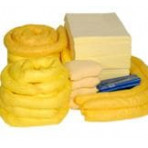
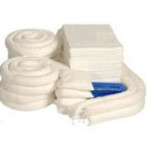
Chemical spill pads are purpose-made chemical absorbent pads designed for fast, safe spill control where aggressive liquids may be present. They are widely used across UK industrial sites to absorb acids, alkalis, coolants, solvents, chemicals in IBCs and drums, and mixed unknown liquids during first response. When you need rapid containment to protect people, processes, and the environment, chemical absorbent pads are a practical, compliant solution.
Q: When should I use chemical absorbent pads instead of oil-only or maintenance pads?
Solution: Use chemical spill pads when the spill could be corrosive, reactive, or unknown. Chemical absorbent pads are typically manufactured for broad chemical compatibility, making them suitable for many hazardous liquids found in utilities, water and wastewater operations, laboratories, manufacturing, and chemical storage areas. Oil-only pads are designed primarily for hydrocarbons, and general maintenance pads are often aimed at non-aggressive liquids. If there is any doubt about what has leaked, chemical absorbent pads give you safer coverage while you identify the substance and follow your COSHH controls.
In operational settings such as water and wastewater utilities, staff may face mixed liquid risks, dosing chemicals, treatment chemicals, cleaning chemicals, and process liquids. Selecting the correct absorbent type and having it positioned near likely spill points is a key part of spill response readiness and helps reduce downtime and secondary contamination. Source: SERPRO guidance on spill management in water and wastewater utilities.
Q: What are chemical spill pads used for on site?
Solution: Chemical absorbent pads are used for both first response and ongoing drip control. Typical uses include:
- Immediate spill response: place pads around and then onto the spill to stop spread and begin absorption.
- Drip prevention: put pads under pump seals, dosing skids, valves, sample points, hose connections, and dispensing taps.
- Transfer operations: keep pads at drum/IBC decant points to catch splashes and minor losses.
- Maintenance work: line benches or work areas to reduce clean-up time when working with chemical containers.
For best practice, store chemical absorbent pads next to your chemical handling areas and inside appropriate spill kits, so the response time is measured in seconds, not minutes.
Q: How do I deploy chemical spill pads correctly during a spill?
Solution: Follow a simple, repeatable method that fits your site spill plan:
- Make safe: wear the correct PPE, restrict access, and stop the source if safe to do so.
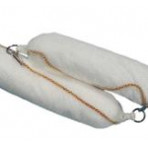
- Contain first: use absorbent socks or booms to stop the spill spreading, then use pads to absorb within the contained area.
- Protect drains: if there is any risk of liquids reaching drainage, deploy drain covers or drain blockers immediately.
- Absorb and replace: place pads flat, allow them to wick up liquid, then replace as they become saturated.
- Dispose correctly: treat used absorbents as potentially hazardous waste and follow your waste classification and duty of care procedures.
In many incidents, stopping a chemical spill reaching drains is the difference between a controllable clean-up and an environmental incident. Drain protection should be part of your spill response equipment alongside chemical absorbent pads.
Q: How do chemical spill pads support compliance and environmental protection?
Solution: Chemical absorbent pads help demonstrate practical controls for pollution prevention and safe handling. They support:
- Environmental protection: reducing the likelihood of chemicals entering surface water drains, foul sewers, or watercourses.
- Operational compliance: showing evidence of planned spill response as part of site environmental management and risk assessments.
- COSHH-aligned control measures: providing an immediate method to control exposure and contamination after a release.
Utilities and industrial operators often have multiple chemical storage and dosing points. A practical solution is to place chemical spill pads at each risk location and review quantities after drills and real incidents. Source: SERPRO spill management context for water and wastewater utilities.
Q: What size and quantity of chemical absorbent pads should we keep?
Solution: Base stock levels on realistic worst-case scenarios at each area, not a single site-wide guess. Consider:
- Container types: drums, IBCs, small dosing containers, pipework and hose volumes.
- Frequency of handling: higher movement areas need more pads and quicker replenishment.
- Access time: if the spill point is remote, store pads locally rather than relying on a central store.
If you already use spill kits, ensure they are correctly specified for chemical spills and that chemical absorbent pads are included in adequate numbers for your typical liquids and likely spill sizes.
Q: Where do chemical spill pads fit within a complete spill response setup?
Solution: Chemical absorbent pads are most effective as part of a layered spill control approach:
- Prevent: secondary containment such as bunding and drip trays beneath chemical storage and transfer points.
- Contain: socks/booms to stop migration and keep spills away from walkways and drains.
- Protect: drain protection products to prevent discharge to drainage systems.
- Clean-up: chemical absorbent pads and disposal bags to complete the response.
In water and wastewater sites, where chemical dosing and treatment are routine, this layered approach reduces the risk of pollution incidents and supports safe, efficient operations. Source: SERPRO spill preparedness and response principles.
Related spill control products
If you are building a practical spill response capability around chemical handling areas, you may also need:
- Spill Kits for chemical spill response and rapid deployment
- Absorbent Socks for containment around spills and equipment
- Drip Trays to control day-to-day leaks and prevent floor contamination
- Bunding for secondary containment under drums, IBCs, and chemical storage
- Drain Protection to help stop chemical spills entering drains
Q: What are common mistakes when using chemical spill pads?
Solution: Avoid these frequent issues that reduce spill control effectiveness:
- Using pads without containment: always contain first with socks/booms where the spill can spread.
- Too few pads on hand: small quantities lead to partial clean-up and repeated trips to stores.
- Poor positioning: pads stored far from chemical handling points delay response time.
- Incorrect disposal: used chemical absorbents may be hazardous and should be bagged, labelled, and disposed of under your waste procedures.
Q: How do I choose the right chemical spill pads for our site?
Solution: Choose based on chemical risk, work patterns, and response goals. For sites with acids/alkalis or mixed chemical use, specify chemical absorbent pads and ensure compatibility with your typical substances. If you need help matching chemical absorbents to your processes, use your chemical inventory and COSHH assessments to define requirements, then size the pad quantities to your likely spill scenario.
Need chemical absorbent pads for faster spill response? Build your chemical spill control around correctly specified chemical spill pads, supported by spill kits, bunding, drip trays, and drain protection, so you can prevent small leaks becoming reportable incidents.