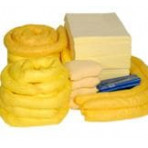
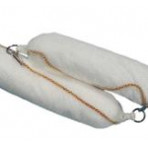
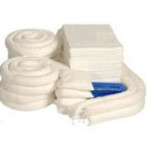
Absorbent socks are flexible, tube-style spill control absorbents designed to contain and direct liquids before they spread. They are a core part of many spill kits and are commonly used as a first-response barrier around leaking plant, drip points, doorways, drains, and along the edge of walkways. On busy sites, absorbent socks help you control a spill quickly, reduce slip risk, protect drains, and support environmental compliance.
Question: What problem do absorbent socks solve?
Solution: Absorbent socks provide fast, practical spill containment. Instead of trying to mop up a spreading liquid, you place socks to:
- Stop migration by forming a barrier around the spill or leak source
- Redirect flow away from door thresholds, public areas, and sensitive equipment
- Protect drains by building a temporary dam while you deploy drain covers or shut-off methods
- Reduce clean-up time by keeping the affected area smaller and easier to treat
Question: Where should absorbent socks be placed on site?
Solution: Keep absorbent socks where spills are most likely and where rapid access matters. A good placement approach is to store spill response items close to the risk, not locked away or hidden, so staff can act immediately. Typical sock placement locations include:
- Goods-in and loading bays where deliveries, pallets, and drum handling can cause leaks
- Waste and recycling areas where leaking bags, food waste liquids, oils, and wash-down water can spread
- Plant rooms and maintenance points around pumps, compressors, hydraulic systems, and sumps
- Near external doors to prevent liquid tracking into occupied areas
- Near drains as part of a drain protection plan for rainwater gullies and interceptors
For sector-specific thinking around placing spill response equipment close to point-of-risk, see: spill kit placement in hospitality.
Question: Which absorbent sock should I choose - oil only, chemical, or general purpose?
Solution: Match the sock type to the liquids you may spill. In spill management, the wrong absorbent can slow down response and increase risk.
- Oil only absorbent socks are designed to absorb oils and hydrocarbons while repelling water, making them suitable for outdoor use and wet conditions (for example around loading areas in rain).
- Chemical absorbent socks are used for aggressive liquids such as acids, alkalis, solvents, and unknown liquids where chemical resistance is needed.
- General purpose absorbent socks are used for water-based liquids, coolants, and light oils where a broad, day-to-day absorbent is required.
If you are unsure, start from the liquids on your COSHH assessment and site spill risk assessment. When in doubt for unknown liquids, select chemical absorbents as the safer default and escalate to your HSE lead.
Question: How do absorbent socks support compliance and environmental protection?
Solution: Absorbent socks help you demonstrate practical spill control measures and reduce the chance of polluting drains and surface water. They are commonly used as part of:
- Pollution prevention by containing liquids until safe clean-up and disposal is completed
- Slip and trip risk control by reducing spread across pedestrian routes
- Good housekeeping and documented spill response procedures
In the UK, preventing contaminated liquids from entering drainage systems is a key part of environmental responsibility. For broader guidance, refer to the Environment Agency pollution prevention guidance collection (UK): https://www.gov.uk/government/collections/pollution-prevention-guidance-ppg.
Question: How do I use absorbent socks correctly during a spill?
Solution: Use a simple contain-then-clean approach:
- Make safe: If safe to do so, stop the source (upright a container, close a valve, isolate equipment) and keep people away.
- Contain: Place absorbent socks around the spill perimeter first to stop spread. For a leak, place socks in a horseshoe shape around the source then extend as needed.
- Protect drains: Build a barrier on the downhill side and near drain inlets. If you have drain covers, deploy them once the flow is under control.
- Absorb and remove: Use pads or rolls inside the contained area to lift the liquid, working from the outside in.
- Dispose: Bag and label used absorbents. Dispose according to the spilled substance and your waste contractor guidance.
For improved readiness, include absorbent socks in your spill kits and keep spare socks where high-frequency minor leaks occur.
Question: What site examples make absorbent socks especially useful?
Solution: Absorbent socks are used across many UK workplaces because they are quick to deploy and easy to store:
- Hospitality and catering: Dam around a leaking fryer oil container or bin store liquid, block door thresholds, and protect back-of-house drains during busy service.
- Warehousing and logistics: Create a perimeter around a damaged drum, tote, or IBC, and direct a spill away from traffic routes.
- Manufacturing: Control hydraulic oil leaks near presses and conveyors, preventing spread under machinery.
- Facilities and estates: Manage coolant and water leaks from plant rooms and service corridors while repairs are arranged.
Question: Are absorbent socks the same as absorbent booms?
Solution: They are similar, and the terms are sometimes used interchangeably. In practice:
- Absorbent socks are typically used on floors for perimeter containment and shaping flow.
- Absorbent booms are often higher capacity and may be specified for outdoor use or larger volumes.
Either way, the goal is the same: fast spill containment that reduces spread and protects drains.
Question: What is the best way to store and maintain absorbent socks?
Solution: Store socks in clearly labelled spill kits or wall-mounted stations close to risk. Inspect periodically for damaged packaging or missing items, and replace used socks immediately after an incident so the kit is always ready. Consider placing spill response signage so staff and contractors can find socks quickly.
Next steps
If you are building a practical spill response set-up, absorbent socks are one of the highest impact items to keep at point-of-risk. Combine them with absorbent pads and a clear placement plan so your team can contain spills quickly and consistently. For additional context on positioning spill response equipment for rapid access, see spill kit placement in hospitality.