
Published: 28 September 2026
Last updated: 21 June 2026
Why is Spill Planning Essential in Rally Service Parks?
Spill planning is essential in rally service parks because these temporary work areas are where rally cars are inspected, refuelled and repaired between stages, often on gravel, grass or other uneven field surfaces. In that setting, common contaminants include fuel, engine oil, gearbox oil, coolant and mud, all of which can spread quickly, create slip risks, damage the ground and enter drains or watercourses if not controlled. A practical plan should combine temporary ground protection, drip trays, absorbent pads, absorbent socks or rolls, and clearly positioned spill kits, supported by UK guidance on petrol safety, event incident planning and pollution prevention.
Unlike a permanent workshop, a rally service park has changing weather, muddy access routes, night servicing and fast turnaround repairs, so small leaks can become larger housekeeping and environmental problems very quickly. Spill preparedness helps teams contain drips during oil or coolant changes, catch fuel splashes during refuelling, separate oily waste from general rubbish and protect the temporary site surface before contamination spreads.
What spills are most common in rally service areas?
The main liquids to plan for are petrol or diesel, lubricating oils, hydraulic fluids and coolant, alongside heavy mud carried in on tyres, tools and footwear. Mud may seem less serious than fuel or oil, but it can hide leaks, block drainage routes and increase slip hazards around jacks, toolboxes and service tents. Fast repairs in poor weather also increase the chance of drips from filters, hoses, sumps and refill points.
Why does preparedness matter?
Preparedness matters because service parks are busy, temporary environments where response time is critical. Keeping the right absorbents close to the work area makes it easier to stop a minor spill becoming a safety incident or pollution event. UK operators should also align their arrangements with HSE guidance on petrol handling, event incident planning and pollution prevention guidance, so staff know what to use, where to place it and how to dispose of contaminated materials safely.
What Types of Spills Are Common in Rally Service Areas?
Rally service areas commonly deal with four main spill types: fuel, oil, coolant and mud. These spills usually happen around refuelling points, under engines and gearboxes, beside jacks and tool trolleys, and along entry and exit routes where wet gravel and soil are tracked into the work zone. In field conditions, the best approach is to combine quick clean-up with prevention, using drip trays, absorbent pads, rolls, socks and portable spill kits to keep work areas safer and protect the ground.
Unlike fixed workshops, rally service parks are temporary environments where teams work fast, often outdoors and in poor weather. That makes small drips and dirty run-off more likely. Good housekeeping matters: keeping the service bay organised, placing absorbents before work starts, separating oily waste from general rubbish, and checking nearby drains or low spots can reduce the chance of a minor leak becoming a larger clean-up problem.
Fuel, Oil, Coolant and Mud: The Most Frequent Spill Risks
Fuel spills often occur during refuelling, line disconnection or when containers are moved across uneven ground. Because petrol and diesel can spread quickly, teams often keep oil-only absorbents close to refuelling and vehicle prep areas to deal with hydrocarbon spills without soaking up rainwater.
Oil spills are common during engine, gearbox or differential servicing, especially where fast repairs and oil changes are carried out under time pressure. General purpose absorbents can help manage mixed maintenance spills around the vehicle, workbench and parts area.
Coolant spills typically happen during hose changes, radiator repairs or top-ups after a hard stage. These are often found at the front of the car or beneath drained components, where temporary ground protection and drip trays are useful.
Mud is less hazardous than fuel or oil, but it still creates slip risks and spreads contamination through the bay. It usually builds up at access points, around wheels and beneath lifted vehicles.
Where Spills Start and How to Prevent Them
Typical spill locations include under the engine bay, beneath fuel containers, near waste fluid collection points, and along muddy walkways. Preventative measures include laying absorbent rolls in high-traffic areas, using socks to contain drips, positioning drip trays before fluid changes, keeping small spill kits nearby, and assigning someone to inspect the bay regularly. In UK event settings, this practical planning supports safer working and pollution prevention, in line with general guidance from HSE on incident planning and GOV.UK pollution prevention guidance.
How Can Temporary Ground Protection Be Implemented?
Temporary ground protection in a rally service park should be put in place before any refuelling, fluid changes or repair work begins. In field conditions, it helps separate the vehicle work area from gravel, mud and soft ground, making it easier to contain drips from oil, fuel and coolant, reduce slip risks, and collect contaminated waste for proper disposal. It also supports cleaner servicing by giving crews a defined surface for drip trays, tools and absorbents.
In practice, effective ground protection combines a physical barrier with spill-control items placed where leaks are most likely. A protected bay can include heavy-duty sheeting, reusable mats, modular panels or absorbent-backed coverings, with absorbent rolls used along work edges or under likely drip points. Where service areas are close to gullies or surface water routes, crews should also keep drain covers ready to isolate drainage quickly if a spill spreads beyond the immediate work zone.
Types of Ground Protection Materials
Suitable materials depend on the terrain, weather and the type of servicing planned. Common options include impermeable polyethylene sheets for short-term fluid containment, rubber or PVC mats for repeated use, and rigid interlocking ground panels where vehicles and jacks need firmer support. Absorbent surface layers can also be added in high-risk areas, especially beneath engine bays, fuel lines and coolant drain points. On muddy sites, combining a base barrier with absorbent products helps stop liquids mixing into the ground and becoming harder to manage.
Benefits of Ground Protection
The main benefits are cleaner housekeeping, faster spill response and better protection of the surrounding ground. A defined protected area helps crews spot leaks sooner, carry out efficient oil or coolant changes, and keep waste absorbents separate from general rubbish. It also reduces tracked mud, limits slippery patches and supports sensible pollution prevention measures expected in temporary work areas.
Best Practices for Installation
Install ground protection on the flattest practical area and make sure it extends beyond the likely working footprint of the vehicle. Secure edges to prevent lifting in wind or bunching under foot traffic. Position drip trays and absorbents before starting repairs, not after a leak appears. Keep portable spill kits, gloves and disposal bags clearly visible, and inspect the setup regularly during the service window so damaged or saturated materials can be replaced promptly.
What Should Be Included in a Portable Spill Kit?
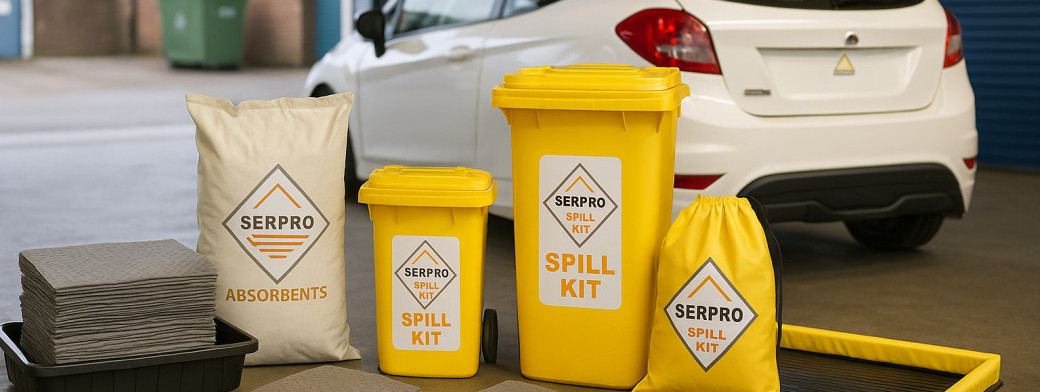
A portable spill kit for a rally service park should contain the core items needed to control small fuel, oil and coolant spills quickly: absorbents, protective gloves, disposal bags and simple containment tools. In field conditions, where teams may be working on gravel, mud or temporary ground protection rather than a fixed workshop floor, the kit needs to be compact, easy to carry and ready for immediate use.
The main aim is to stop a minor leak becoming a wider housekeeping, safety or pollution problem. A well-stocked kit helps crews respond to drips during refuelling, fluid top-ups, hose changes and fast repairs, while also supporting cleaner working areas and safer footing in busy service bays.
Essential items to include
- Absorbent pads for catching oil, fuel and coolant drips during servicing.
- Absorbent socks to contain spills before they spread across uneven ground or towards drains.
- Absorbent rolls for larger working areas, under parts, or along temporary service surfaces.
- Protective gloves so responders can handle contaminated materials more safely.
- Disposal bags for used absorbents, contaminated PPE and small waste items.
- A small drip tray for fluid changes and catching leaks from removed components.
- Clear instructions so anyone in the crew can use the kit without delay.
For many teams, a compact small spill kit is a practical starting point because it can be kept close to the car, service van or fuel handling area rather than stored out of reach.
Why ready availability matters
In rally service parks, response time matters. Spills often happen during short service windows, poor weather or night working, when visibility and footing may already be challenging. Keeping the kit visible and within easy reach supports faster action, reduces slip risks and helps prevent liquids from spreading into surrounding ground. This approach also fits wider good practice on incident planning and pollution prevention set out by HSE event guidance and GOV.UK pollution prevention guidance.
How to maintain and inspect the kit
Check the kit before each event and after every use. Replace used pads, socks, gloves and bags promptly, and make sure the container stays clean, dry and easy to open. Teams should also confirm that absorbents match the likely liquids on site, and that waste can be segregated for safe disposal afterwards. Clear spill station labelling makes the kit easier to find quickly and helps crews see what should be inside during routine inspections.
How to Efficiently Change Oil and Coolant in Field Conditions?
Efficient oil and coolant changes in a rally service park depend on preparation, containment and fast clean-up. In field conditions, the aim is to prevent fluids reaching gravel, mud or drains by using temporary ground protection, a suitable drain pan or drip tray, and the right absorbents before any plug or hose is opened. Keep oil-only absorbents for engine oil and fuel, and general purpose or chemical absorbents for coolant splashes, then bag waste promptly for safe disposal.
Because service areas are often uneven, wet and busy, small drips can spread quickly underfoot or into soft ground. A simple set-up using ground sheets, absorbent socks around the work zone, pads beside likely spill points and clearly labelled waste containers helps crews work faster while reducing slip risks and pollution.
Practical steps for oil and coolant changes
- Prepare the area: park on the flattest available surface, switch off the engine, allow hot components to cool where possible, and place ground protection plus a drain tray underneath.
- Set out absorbents first: place pads under the sump, filter housing, radiator drain or hose connection, and position socks around the edge of the work area to catch run-off.
- Drain carefully: loosen plugs and hoses slowly to control the first surge. Keep funnels and sealed containers ready for used oil and spent coolant.
- Manage transfer points: when removing filters or refilling fluids, keep a pad beneath the work point to catch drips from tools, bottles and hands.
- Inspect before restart: wipe down fittings, check for leaks, and remove contaminated absorbents before vehicles move off.
Recommended absorbents for common spills
Use oil-only pads or rolls for engine oil and fuel drips. For coolant, mixed workshop residues and muddy fluid contamination, general purpose absorbents are often the better choice. If fluids may spread across rough ground, socks help contain the edge and stop migration.
Waste disposal in a service park
Separate used oil, coolant and contaminated absorbents into designated containers and never leave saturated materials loose on the ground. Seal smaller waste items in disposal bags, label them clearly, and transfer them to the team’s approved waste stream after the stage or event. Good practice also supports wider UK pollution prevention guidance for businesses.
What Are the Best Practices for Spill Management During Night Servicing?
During night servicing in rally service parks, the best spill-management approach is to plan for reduced visibility, faster decision-making and muddier ground conditions before work starts. Teams should set out absorbents, drip trays, disposal bags, gloves and a portable spill kit in clearly marked positions, then deal with leaks and drips immediately rather than waiting until the end of the service window. Good lighting, defined walkways and clear responsibility for spill response are essential because oil, fuel, coolant and muddy water are harder to spot after dark and can quickly create slip risks or spread into surrounding ground.
Night work adds pressure because mechanics are often carrying out rapid oil top-ups, coolant changes or fuel-related checks in confined temporary spaces. In these conditions, even a small drip can be missed until it has spread under tyres, tools or footwear. That is why service crews should combine temporary ground protection with absorbent pads for active drips, absorbent socks to contain spread, and drip trays beneath likely leak points. Clear housekeeping also supports safer movement around the bay, in line with HSE guidance on slips and trips.
Key Night Servicing Challenges
The main difficulties are poor visibility, fatigue, wet weather, uneven ground and the pace of field repairs. Mud and gravel can hide fresh contamination, while torchlight or vehicle-mounted lighting may create shadows that make thin oil films and coolant splashes difficult to detect. If service areas are busy, spill kits can also be misplaced unless they are stored with clear spill station labelling.
Recommended Spill-Management Practices
Start by checking lighting coverage around refuelling points, wheel arches, engine bays and waste-storage areas. Keep a small spill kit within immediate reach, not in a support vehicle parked away from the service bay. Use oil-only absorbents for hydrocarbon spills, general purpose absorbents for mixed workshop drips, and drain protection where runoff could reach gullies or soft ground. Separate used absorbents and contaminated waste for proper disposal, and inspect the area before the car leaves and again when servicing ends.
Why Visibility and Safety Matter
Good visibility supports faster spill response, safer footing and better judgement about what has been released. It also helps crews distinguish between mud, water, coolant and fuel, so the right absorbent can be used first time. For broader event planning and incident response, HSE guidance on incidents and emergencies at events and GOV.UK advice on pollution prevention for businesses are useful references.
How to Conduct Routine Inspections for Spill Preparedness?
Routine inspections for spill preparedness in rally service parks should be simple, frequent and documented. The aim is to confirm that absorbents, drip trays, drain protection and waste containers are in the right place before work starts, remain usable during servicing, and are replaced after any incident. In field conditions, where mud, gravel, fuel drips and hurried repairs can quickly turn a tidy bay into a contamination risk, regular checks help crews respond faster and keep temporary work areas safer.
A good inspection routine should focus on likely spill points: refuelling areas, oil and coolant change zones, under-vehicle work positions, parts-cleaning areas and any route where liquids could run towards drains or soft ground. This practical approach supports wider expectations around incident planning and pollution prevention set out by the HSE for events and GOV.UK pollution prevention guidance.
Inspection Checklist for Rally Service Parks
- Check that spill kits are visible, clearly labelled and easy to reach.
- Confirm absorbent pads, rolls and socks are dry, intact and suitable for the liquids present.
- Inspect drip trays under service points and fluid-change areas for cracks, overfilling or poor positioning.
- Ensure drain covers are available where runoff could reach surface water drains.
- Verify disposal bags, gloves and waste containers are present for used absorbents and contaminated debris.
- Look for existing leaks, stained ground sheets, saturated fibres or pooled liquids needing immediate action.
- Check walking routes for mud, oil or coolant residues that could increase slip risk.
How Often Should Inspections Take Place?
At minimum, inspect before the service period begins, during active servicing, and again at close-down. Higher-risk tasks such as refuelling, oil changes and coolant draining should trigger an extra check immediately before and after the job. Night servicing, wet weather and high vehicle turnover usually justify more frequent inspections, especially where muddy ground can hide leaks or shift temporary ground protection.
Documentation and Reporting
Keep inspection records brief but consistent. A simple log should note the date, time, bay or area checked, issues found, action taken and who completed the follow-up. Record when spill kits were used, which absorbents were replaced, and how waste was segregated for disposal. Reporting small defects early—such as missing gloves, saturated pads or a damaged tray—helps prevent larger incidents and creates a clear handover between crews, supervisors and event organisers.