
Published: 5 November 2026
Last updated: 25 August 2026
Why is Spill Management Crucial in Waste Transfer Stations?
Spill management is crucial in waste transfer stations because these sites handle mixed waste, moving vehicles and frequent tipping activity, all of which increase the risk of liquid releases. In this setting, spill management means the planned control, containment, clean-up and safe disposal of leaked or spilled substances before they spread, create slip hazards, enter drains or contaminate other wastes. The most common spills include vehicle fluids such as oil, diesel, hydraulic fluid and coolant, as well as unknown liquids escaping from incoming loads. Effective control typically relies on clearly placed absorbent solutions such as pads, rolls and socks, supported by drip trays, drain protection and suitable spill kits. In the UK, these arrangements sit within broader duties to prevent pollution and manage emissions at permitted waste sites, as outlined in GOV.UK guidance on appropriate measures for permitted facilities and pollution prevention for businesses.
Put simply, good spill management protects people, surfaces, drainage systems and the wider environment. It also helps operators respond quickly to leaking loads at weighbridges, tipping halls, vehicle queues and maintenance areas, reducing downtime and preventing contamination from being tracked across the site.
What types of spills need controlling?
Waste transfer stations commonly face two broad spill categories. The first is predictable vehicle-related fluids: engine oil, fuel, brake fluid, washer fluid, coolant and hydraulic oil from HGVs, plant and skips. The second is less predictable liquid from waste loads, including food residues, wash water, chemicals or unidentified run-off. Unknown liquids should be treated cautiously, isolated and escalated under site procedures rather than absorbed with the wrong material.
What controls are usually needed?
Necessary controls start with housekeeping and fast access to the right materials. Oil-only absorbents can help with hydrocarbon leaks, while general purpose or chemical absorbents may be needed for mixed or uncertain spills. Absorbent socks can stop spread, pads and rolls can lift liquid from floors, and drip trays can catch persistent leaks from parked vehicles or containers. Drain covers, disposal bags, gloves and clear spill station labelling support a safer, more organised response. Together, these measures help sites contain spills early and show a practical approach to UK pollution prevention expectations.
What Types of Liquids Are Commonly Spilled in Waste Transfer Stations?
Waste transfer stations commonly deal with two broad spill categories: vehicle fluids and unknown liquids released from incoming waste loads. The most frequent vehicle-related spills are oil, fuel and coolant from HGVs, plant, loaders, compactors and smaller site vehicles. These liquids often appear around weighbridges, tipping halls, queuing areas and maintenance corners, where drips can build into slippery patches or spread into drains if not contained quickly.
Unknown liquids from waste loads are also a routine concern. Bags, bins, skips and mixed loads can leak residues from household, commercial or industrial waste, and the exact contents may not be obvious at first glance. That uncertainty matters because some liquids may be harmless wash water, while others could contain oils, chemicals, cleaning products or contaminated run-off. In practice, staff often need to treat unidentified spills cautiously and use the right absorbents and escalation procedures until the liquid is assessed.
Common spill types and their risks
Oil spills can come from engines, hydraulics and waste handling equipment. They create slip hazards and can pollute surfaces and drainage systems, which is why oil absorbents are often kept close to traffic routes and plant areas.
Fuel spills, including diesel and petrol, may result from damaged tanks, overfilling or leaking lines. These can spread quickly across hardstanding, increase fire risk and produce vapours that need careful handling.
Coolant spills are easy to overlook but still create slick walking surfaces and may require prompt clean-up to reduce slip risks, in line with HSE guidance on slips and trips.
Unknown or chemical liquids from waste loads may need segregation and more cautious response measures, including chemical absorbents. This supports broader UK pollution prevention expectations set out in GOV.UK guidance for businesses.
Where Do Spills Typically Occur Within Waste Transfer Stations?
Spills in waste transfer stations most often occur at movement and handling points: weighbridges, tipping halls, vehicle queues and maintenance corners. These are the areas where leaking loads, hydraulic oil, fuel, coolant, wash water and unidentified liquids are most likely to escape, spread under tyres or reach surface drains. For that reason, stations should place absorbents, drip trays and drain protection close to these hotspots, backed by clear housekeeping and escalation procedures.
In practice, the highest-risk locations are the ones where vehicles stop, wait, tip or are inspected. Fast access to a suitable spill management point helps teams contain leaks before they travel across traffic routes, contaminate mixed waste or create slip hazards, which aligns with wider UK guidance on pollution prevention and workplace safety from GOV.UK and HSE.
Common spill hotspots on site
Weighbridges are a frequent starting point because vehicles pause there long enough for drips from engines, hydraulics or leaking loads to become visible. Vehicle queues create similar risks, especially where wagons idle on gradients or in wet weather, allowing fluids to spread along wheel tracks.
Tipping halls present a higher contamination risk because liquids can escape as loads shift, compacted waste is discharged or residues are crushed under plant. Unknown liquids should be treated cautiously, isolated and prevented from entering drains until assessed. Maintenance corners are another predictable source, with routine servicing, hose failures and temporary parts storage increasing the chance of oil and coolant releases.
Across all four areas, keeping absorbent pads, socks, rolls, gloves, disposal bags and drain covers nearby makes first response faster and helps prevent contamination being carried further into the station.
What Spill Management Solutions Should Be Available on Site?
Waste transfer stations should keep a practical mix of spill-control materials close to the places where leaks are most likely to start, including weighbridges, tipping halls, vehicle queuing areas and maintenance corners. In most cases, that means having absorbent pads, rolls and socks ready for fast containment, alongside drip trays, small spill kits and drain protection measures. The aim is to stop leaking loads and vehicle fluids spreading across traffic routes, entering drainage systems or creating slip hazards while staff assess what has been released.
The best on-site setup is simple, visible and matched to the liquids handled. Waste transfer stations may encounter oil, fuel, coolant, hydraulic fluid, wash water or unknown contaminated liquids, so it helps to separate oil-only, general purpose and chemical absorbents where appropriate, with clear labelling to guide first response. This supports good housekeeping and aligns with wider UK expectations on pollution prevention and emissions control at permitted waste facilities.
Core absorbents for first response
Absorbent pads are useful for quick pick-up under drips, around hose connections and beneath parked vehicles. Rolls help cover wider contaminated floor areas, especially where repeated tyre traffic could spread fluids further. Absorbent socks are important for surrounding a spill, protecting thresholds and forming temporary barriers around leaking skips or loads. Keeping these items at marked spill points allows staff to respond quickly without searching across site.
Containment equipment for routine leaks
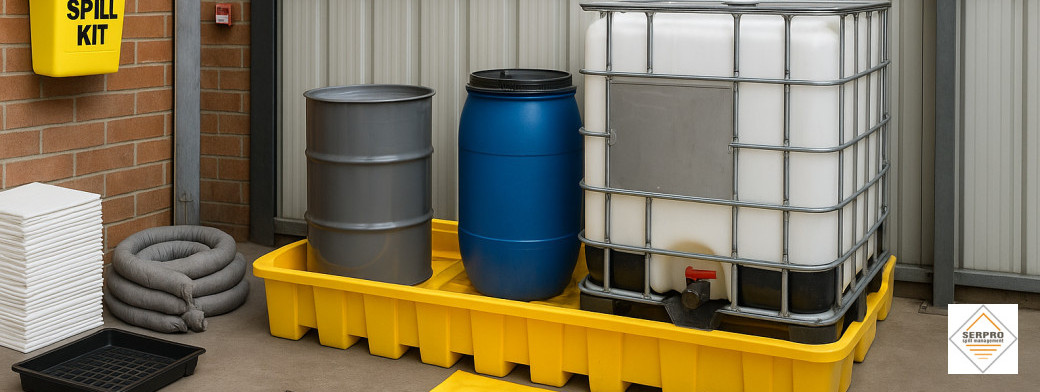
Drip trays should be placed in maintenance areas, under known leak points and wherever plant or vehicles are parked for inspection. Small spill kits are also useful in cabs, gatehouses and mobile plant so minor leaks can be managed immediately before they become larger clean-up jobs. Kits should typically include absorbents, disposal bags and gloves.
Drain protection and escalation
Drain protection measures are essential wherever spilled liquids could reach surface water or foul drainage. Covers, barriers or nearby drain-sealing products should be available at vulnerable points, especially near tipping halls and external traffic routes. If the liquid is unknown, staff should contain it, protect drains, prevent spread and escalate internally rather than guessing the correct clean-up method.
Who Should Be Responsible for Spill Response?
Spill response at a waste transfer station should never be left to chance. Responsibility should sit with a designated spill response team, supported by clear reporting lines for supervisors, plant operators, drivers and maintenance staff. In practice, everyone on site should know how to raise the alarm, protect drains and keep clear of an unsafe area, but only trained personnel should assess the liquid, select suitable absorbents and manage containment, clean-up and waste segregation.
This approach helps prevent small leaks from vehicle fluids, hydraulic oil or unknown liquids becoming wider contamination incidents. It also supports safer housekeeping in tipping halls, vehicle queues, weighbridges and maintenance corners, where slips, spread and drain entry are common risks.
Roles on site
The designated team should be responsible for first-line containment using the correct materials for the spill type, such as oil-only absorbents for hydrocarbons, general purpose absorbents for mixed non-aggressive fluids, and drain covers where there is a risk of run-off reaching surface water systems. Supervisors should decide when an incident can be handled in-house and when it needs escalation, especially if the source is unknown or the spill is too large to control safely.
Training requirements
Anyone expected to respond should receive practical, role-specific spill response training. Training should cover hazard recognition, PPE, safe deployment of absorbent pads, socks and disposal bags, protection of drains, and how to avoid spreading contamination on tyres, boots or loading equipment. Refresher sessions and spill drills help keep procedures workable.
Emergency contact procedures
Every station should also have clear emergency contact procedures, including who to call internally, when to isolate an area, and when to contact external support. Contact lists should be visible at spill stations, in welfare areas and near high-risk zones so staff can act quickly without confusion.
How Should Waste Be Separated to Prevent Spills?
Waste should be separated by type, risk and likely liquid content as soon as it enters the transfer station. In practice, that means keeping hazardous and non-hazardous waste apart, using clear labels, and storing each stream in the right container or bay. Good separation reduces the chance of incompatible materials mixing, limits contamination if a load leaks, and makes spill response faster because staff can choose the right absorbents, containment method and disposal route.
At waste transfer stations, poor segregation can turn a small leak into a wider incident. Liquids from mixed loads may be unknown, which increases the risk of using the wrong absorbent or spreading contamination across tipping floors, vehicle routes and drains. A structured waste separation system helps teams isolate the source quickly and protect surrounding areas before the spill migrates.
Segregate hazardous and non-hazardous waste
Hazardous materials should always be kept separate from general waste, recyclables and inert loads. This includes wastes that may contain oils, chemicals, contaminated packaging or residues from vehicle maintenance. Clear segregation supports safer handling of hazardous waste, reduces the risk of chemical reactions or cross-contamination, and helps staff decide whether oil-only, general purpose or chemical absorbents are appropriate.
Use proper labelling and storage
Containers, skips, bays and temporary holding areas should be plainly labelled so operators know what belongs where. Storage should also reflect the risk of leakage: sealed containers for liquid-bearing waste, drip trays in maintenance corners, and designated areas away from surface water drains where possible. Consistent labelling also helps during inspections and handovers between shifts.
Why separation improves spill management
When waste is sorted correctly, spill kits can be positioned and stocked more effectively, and any collected absorbents can be bagged and disposed of with fewer uncertainties. This supports cleaner housekeeping, quicker isolation of leaking loads and better pollution control, in line with UK guidance on pollution prevention for businesses.
How Can Regular Inspections Enhance Spill Management?
Regular inspections strengthen spill management by helping waste transfer stations spot leaks early, keep response equipment ready for use and correct poor housekeeping before a minor issue becomes a wider contamination problem. In areas such as weighbridges, tipping halls, vehicle queues and maintenance corners, routine checks make it easier to identify drips from hydraulic lines, fuel systems, bins and leaking loads, while also confirming that absorbents, drip trays and drain protection are in the right place.
A practical inspection process also supports safer floors and faster response. By reviewing spill-prone areas frequently, sites can reduce slip risks, limit liquid spread and improve day-to-day control of oil, coolant and unknown fluids, in line with wider workplace safety guidance from the HSE. Regular checks do not replace training or emergency planning, but they do help keep spill management measures effective.
Inspection routines that support preparedness
Clear inspection routines should cover both the condition of the site and the readiness of spill-control equipment. This can include checking that absorbent pads, rolls and socks are stocked near likely spill points, that drip trays are positioned under parked or serviced vehicles, and that drain covers, gloves and disposal bags are accessible and clearly labelled. Inspections should also look at whether spill stations remain visible, whether used absorbents have been replaced and whether waste segregation is being followed.
Identifying potential spill risks before they escalate
Routine inspections help teams identify potential spill risks before liquids spread across traffic routes or enter drainage systems. Common warning signs include stained ground, recurring wet patches, damaged containers, overfilled skips, poorly parked vehicles and absorbents being used for the wrong liquid type. Where the source or substance is unclear, staff should escalate promptly and use a cautious response, rather than guessing. This fits well within a wider spill management approach that separates oil-only, general purpose and chemical absorbents where appropriate.
Documentation and reporting
Documentation and reporting turn inspections into an improvement tool. Simple records should note what was checked, what defects were found, what action was taken and who is responsible for follow-up. Trend reporting can reveal recurring leaks, repeated housekeeping failures or areas where extra containment is needed. Over time, this makes it easier to target maintenance, improve staff response and demonstrate that spill risks are being reviewed systematically.