
Introduction to Waste Collection Depots
Waste collection depots serve as crucial hubs in the management of waste materials. These facilities are designed to receive, sort, and prepare waste for transportation to recycling or disposal sites. They play a significant role in maintaining public health and environmental safety by ensuring that waste is handled properly and efficiently.
The Importance of Leak Management
One of the primary concerns within waste collection depots is the management of vehicle leaks. These leaks can occur from collection vehicles due to wear and tear or improper maintenance, potentially leading to hazardous materials contaminating the surrounding environment. Effective leak management is essential not only for compliance with regulations but also for protecting local ecosystems and community health. For more information on pollution prevention, refer to GOV.UK's guidance on pollution prevention for businesses.
Overview of Spill Control Essentials
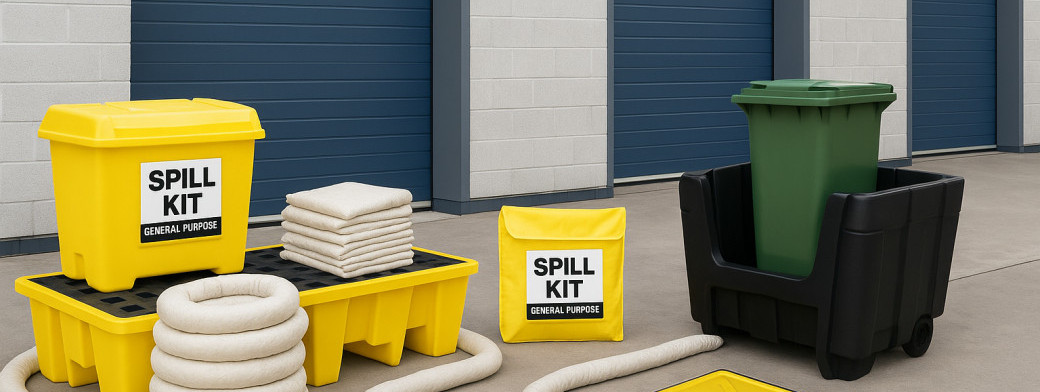
Implementing spill control measures is vital for minimising the impact of any accidental releases of waste materials. This includes having a robust spill response plan in place, regular training for staff, and the availability of appropriate spill containment equipment. Essential practices may involve using spill kits, establishing designated wash-down areas, and ensuring proper disposal of contaminated materials. Adopting these spill control essentials not only aids in compliance with waste environmental permits but also enhances the overall safety and efficiency of operations at the depot.
For more insights on waste collection depots, visit Serpro's waste collection page.
Understanding Vehicle Leaks
Waste collection vehicles are essential for maintaining cleanliness in our communities, but they can also pose environmental risks if not properly maintained. One of the significant issues that can arise with these vehicles is the occurrence of leaks. Understanding the types of leaks that can occur and their potential impacts is crucial for effective management.
Common Types of Vehicle Leaks
Two of the most common types of leaks found in waste collection vehicles are hydraulic fluid leaks and fuel leaks. Hydraulic systems are vital for the operation of lifting mechanisms and compactors in waste collection trucks. Over time, seals and hoses can wear out, leading to hydraulic fluid leaks. Such leaks not only reduce the efficiency of the vehicle but can also create slippery surfaces, posing safety risks for personnel working in and around the depot. For more information on maintaining these vehicles, visit Serpro's vehicle maintenance guide.
Fuel leaks are another concern, as they can occur due to faulty fuel lines or tanks. These leaks can lead to significant operational issues and can pose a fire hazard. Moreover, both hydraulic and fuel leaks can result in hazardous substances entering the environment, leading to soil and water contamination.
Environmental Impacts of Leaks
The environmental implications of vehicle leaks can be severe. Hydraulic fluids often contain toxic substances that can harm aquatic life if they seep into water bodies. Fuel leaks, on the other hand, can lead to the contamination of groundwater supplies, which can have long-term effects on local ecosystems and human health. The GOV.UK guidance on pollution prevention for businesses outlines the importance of managing these risks effectively.
Legal Implications of Unaddressed Leaks
Failure to address vehicle leaks can also have legal repercussions. Under UK environmental legislation, businesses are required to prevent pollution and manage waste responsibly. This includes ensuring that vehicles are maintained to minimise leaks. Companies that neglect these responsibilities may face fines, legal action, and damage to their reputation. For more detailed information on the legal framework regarding waste operations, refer to the GOV.UK waste environmental permits.
In summary, understanding vehicle leaks in waste collection depots is vital for environmental protection and legal compliance. Regular maintenance and monitoring are essential to prevent leaks and their associated impacts.
Wash-Down Run-Off Management
Wash-down run-off refers to the water and contaminants that are washed off surfaces during cleaning procedures, particularly in waste collection depots. This run-off can carry pollutants, including oils, chemicals, and debris, into the surrounding environment if not properly managed. Effective management of wash-down run-off is crucial to prevent pollution and ensure compliance with environmental regulations.
Best Practices for Wash-Down Procedures
To effectively manage wash-down run-off, several best practices should be implemented:
- Designated Wash Areas: Establish specific areas for wash-down activities, equipped with proper drainage systems to capture run-off.
- Use of Absorbent Materials: Employ absorbent materials to soak up spills and leaks before washing surfaces. This helps minimise contaminants entering the drainage system.
- Regular Maintenance: Ensure that wash-down equipment and drainage systems are regularly inspected and maintained to prevent blockages and overflow.
- Environmental Training: Provide staff with training on the importance of pollution prevention and the correct wash-down procedures.
Pollution Prevention Principles
Adhering to pollution prevention principles is essential in managing wash-down run-off:
- Minimise Use of Harmful Chemicals: Opt for eco-friendly cleaning agents and only use chemicals that are necessary for the task.
- Containment Measures: Implement containment measures, such as bunds or barriers, to prevent run-off from reaching drains or natural watercourses.
- Monitoring and Reporting: Regularly monitor wash-down activities and report any spills or leaks immediately to facilitate prompt action.
For more information on effective wash-down solutions, visit Serpro's wash-down solutions. Additionally, guidelines on pollution prevention can be found on GOV.UK.
Spill Control Basics
Effective spill control is crucial for waste collection depots to ensure environmental safety and compliance with regulations. A well-structured spill control plan comprises several essential components that address various types of spills, response procedures, and staff training.
Types of Spills
Spills can vary widely in composition and impact, making it important to categorise them effectively. Common types of spills include:
- Liquid Waste Spills: These can involve hazardous materials such as oils, chemicals, or other liquids that pose environmental risks.
- Solid Waste Spills: Although they may seem less concerning, solid waste spills can also lead to pollution if not managed properly.
- Contaminated Run-off: Rainwater can wash hazardous substances from the depot into local waterways, highlighting the need for effective runoff management.
Spill Response Procedures
Having a clear spill response procedure is vital for minimising the impact of any spill. Key elements of an effective response plan include:
- Immediate Containment: Quickly containing the spill to prevent further leakage is paramount. This may involve using absorbent materials, barriers, or spill kits.
- Notification: Staff should be trained to notify the appropriate authorities and emergency services if necessary, as outlined in the GOV.UK guidance on pollution prevention.
- Clean-Up Procedures: Detailed instructions on how to safely clean up spills must be established, ensuring that all materials are disposed of properly to comply with waste environmental permits.
Importance of Training Staff
Training staff in spill control procedures is essential to ensure a swift and effective response. Regular training sessions can equip employees with the knowledge to:
- Identify potential hazards and types of spills.
- Execute proper containment and clean-up procedures.
- Understand the legal implications of spills and the importance of compliance with regulations.
For more detailed information on spill control measures, visit Serpro's Spill Control page.
Kit Placement in Yards and Vehicles
Effective spill control is essential in waste collection depots, where vehicle leaks can lead to environmental hazards. The strategic placement of spill kits is a key factor in managing these risks. Here, we discuss the criteria for kit placement, accessibility considerations, and the importance of regular maintenance.
Criteria for Kit Placement
When determining the placement of spill kits, several criteria should be considered:
- Proximity to Potential Spill Sources: Kits should be located near areas where spills are most likely to occur, such as vehicle maintenance zones and loading/unloading areas.
- Visibility: Kits should be clearly marked and easily identifiable to ensure quick access during an emergency.
- Environmental Considerations: According to GOV.UK, it’s crucial to place kits in a way that prevents spill run-off from entering drains or watercourses.
Accessibility Considerations
Accessibility is paramount in spill response. Spill kits should be:
- Within Reach: Ensure that kits are placed in locations that are easily reachable by all staff, including those operating vehicles.
- Free from Obstructions: Keep pathways to kits clear of debris or other obstacles to facilitate swift access.
- Regularly Reviewed: Conduct periodic assessments of kit locations to adapt to any changes in operations or layout.
Regular Maintenance of Kits
Maintaining spill kits is vital to ensure their effectiveness when needed. Regular maintenance includes:
- Inventory Checks: Regularly check kits to ensure they are fully stocked with necessary materials. For more information on spill kits, visit Serpro.
- Condition Monitoring: Inspect the contents for any signs of damage or expiry, and replace items as necessary.
- Staff Training: Train staff on the location and use of spill kits to ensure readiness in case of an emergency.
By strategically placing spill kits, ensuring accessibility, and maintaining them regularly, waste collection depots can effectively manage vehicle leaks and mitigate their environmental impact.
Audit Documentation and Compliance
Effective spill control and leak management in waste collection depots hinge significantly on robust audit documentation and compliance protocols. Proper documentation not only ensures adherence to regulatory requirements but also enhances operational efficiency and safety.
Types of Documentation Required
To maintain compliance and effectively manage spills, several types of documentation are essential. These include:
- Incident Reports: Detailed accounts of any spills or leaks, including the response actions taken. This documentation is crucial for analysing trends and preventing future incidents.
- Training Records: Documentation proving that staff have received adequate training on spill response procedures and equipment handling.
- Maintenance Logs: Records of regular inspections and maintenance of vehicles and equipment to prevent leaks.
- Audit Reports: Comprehensive reports generated from regular audits that assess compliance with environmental regulations and internal policies.
Frequency of Audits
Regular audits are a cornerstone of effective spill control strategies. It is recommended that audits be conducted at least bi-annually, although more frequent audits may be necessary depending on the volume of waste processed and the types of materials handled. The audit services offered by various organisations can provide valuable insights into compliance levels and operational effectiveness.
Benefits of Maintaining Records
Maintaining thorough records offers numerous benefits, including:
- Regulatory Compliance: Proper documentation helps demonstrate compliance with the pollution prevention guidelines and waste management regulations.
- Risk Management: Documenting incidents and responses allows for a better understanding of risks and the implementation of measures to mitigate them, thereby reducing the likelihood of future spills.
- Improved Training: Records of past incidents can inform future training sessions, ensuring that staff are better prepared for real-life scenarios.
- Enhanced Safety: A culture of compliance and thorough documentation can lead to a safer working environment, reducing slip and trip hazards as outlined by the HSE.
In conclusion, the importance of audit documentation and compliance in managing vehicle leaks and spill control cannot be overstated. By implementing a rigorous documentation process and regular audits, waste collection depots can significantly improve their operational integrity and environmental stewardship.
Conclusion
In summary, managing vehicle leaks and spills at waste collection depots is crucial for maintaining environmental safety and operational efficiency. Throughout this article, we have highlighted the essentials of effective leak and spill control, including regular vehicle maintenance, the implementation of spill kits, and the importance of staff training. By adhering to these best practices, depots can significantly reduce the risk of pollution and ensure compliance with regulations set forth by authorities such as GOV.UK and GOV.UK – Waste Environmental Permits.
Furthermore, creating a culture of awareness around spill prevention not only protects the environment but also enhances workplace safety by minimising slip hazards, as outlined by HSE. It is imperative for waste collection depots to regularly review and improve their spill response strategies to safeguard their operations and uphold community trust.
We encourage all waste collection depots to take proactive steps towards implementing these essential leak and spill management practices. For further assistance or to discuss tailored solutions, please contact us. Together, we can ensure a cleaner, safer environment for all.