
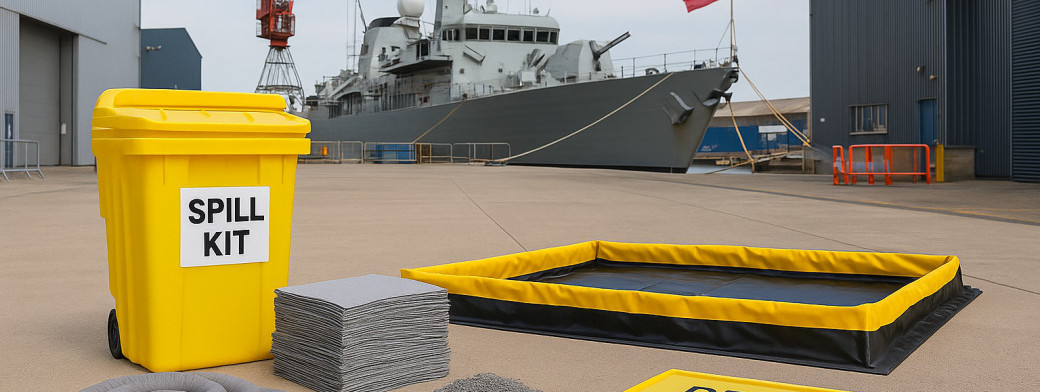
Introduction to Spill Management in Shipyards
Effective spill management is crucial in shipyards, where the combination of hot work procedures and the presence of hazardous materials can create significant risks. Spill management refers to the strategies and actions taken to prevent, respond to, and mitigate the impacts of spills, particularly those involving fuel and other hazardous substances. In the context of marine maintenance, it is essential to have a comprehensive understanding of spill management to ensure safety and compliance with regulations.
Overview of Hot Work Procedures
Hot work procedures involve any activity that generates heat, sparks, or flames, such as welding, cutting, or grinding. These activities are common in shipyards but can pose a heightened risk of fire and spills, particularly when fuel and flammable materials are present. To mitigate these risks, shipyards must implement rigorous hot work protocols, including DSEAR guidance from the HSE, which outlines the management of dangerous substances and the necessary precautions to take when performing hot work.
Importance of Spill Readiness
Being prepared for spills is not just a regulatory requirement; it is vital for protecting the environment and ensuring the safety of personnel. Spill readiness involves having the appropriate spill kits readily available, training staff on proper spill response techniques, and maintaining effective communication and segregation of hazardous materials. This proactive approach is essential to minimise the impact of spills and ensure compliance with pollution prevention guidelines set by the government.
In summary, integrating spill management practices into hot work procedures is essential for maintaining safety and environmental protection in shipyards. By investing in proper spill kits, training, and adhering to safety regulations, marine maintenance environments can significantly reduce the risks associated with spills.
Understanding Hot Work Procedures
Hot work refers to any activity that involves open flames or produces heat and sparks, such as welding, cutting, grinding, or soldering. In shipyards, these operations can pose significant risks, especially when flammable materials are present. Therefore, adhering to strict hot work procedures is crucial for ensuring safety and preventing incidents.
Risk Assessment Procedures
Before commencing any hot work, a thorough risk assessment must be conducted. This assessment should identify potential hazards, including the presence of flammable materials, the location of ignition sources, and the condition of the work environment. In particular, it is essential to consider the DSEAR (Dangerous Substances and Explosive Atmospheres Regulations) to ensure compliance with safety regulations regarding dangerous substances.
Permit to Work Systems
Implementing a permit to work system is a vital component of hot work procedures. This system serves as a formal method of communication and ensures that all safety measures are in place before work begins. The permit should detail the specific hot work being performed, the location, the personnel involved, and the safety precautions required. It is essential to ensure that all workers are aware of the permit and that it is signed off by a responsible person prior to starting the work.
In addition to the permit, it is recommended to have readily accessible spill kits nearby, as they play a crucial role in addressing any accidental fuel spills that may occur during hot work. Safe segregation of hot work areas from flammable materials is also necessary to reduce risk and enhance safety in busy marine maintenance environments.
The Role of Spill Kits in Spill Management
In the bustling environment of shipyards, where maintenance activities often involve hot work procedures, the risk of spills is ever-present. Having spill kits readily available is crucial for effective spill management and minimising environmental impact.
Types of Spill Kits
There are several types of spill kits designed to address specific types of spills. For instance:
- Oil Spill Kits: These kits are tailored for dealing with oil-based spills, making them essential for shipyards where fuel and lubricants are frequently handled.
- Chemical Spill Kits: Ideal for environments where hazardous materials are used, these kits contain absorbents and equipment designed to safely manage chemical leaks.
- General Purpose Spill Kits: These versatile kits can handle a variety of spills, including oils, coolants, and other liquids, and are suitable for general maintenance areas.
Location and Accessibility of Spill Kits
It is imperative that spill kits are strategically located throughout the shipyard. They should be easily accessible and placed in areas where spills are most likely to occur, such as near fuel storage areas, maintenance zones, and hot work sites. Regular drills and training should ensure that all personnel are aware of the spill kit locations and how to use them effectively.
Regular Maintenance and Checks
To ensure that spill kits are always ready for action, regular maintenance and checks are essential. Shipyard managers should establish a routine inspection schedule to verify that:
- All components of the spill kits are intact and within their expiry dates.
- Absorbent materials are replenished after use, and any damaged items are replaced promptly.
- The kits are clearly labelled and easy to access in case of an emergency.
By prioritising the presence and upkeep of spill kits, shipyards can significantly enhance their spill management strategies, ensuring a safer working environment and compliance with regulations set forth by authorities such as the HSE and GOV.UK.
Safe Segregation of Materials
In the bustling environment of shipyards and marine maintenance, the safe segregation of hazardous materials is a critical practice that can significantly reduce the risk of spills and accidents. Proper segregation involves the systematic arrangement of materials based on their chemical properties and associated risks, ensuring that incompatible substances are kept apart. This principle is essential in preventing unwanted reactions that could lead to spills or fires.
Principles of Safe Segregation
The fundamental principles of safe segregation include:
- Identification: Clearly identify all hazardous materials, including fuels, oils, solvents, and chemicals, using appropriate labelling and safety data sheets.
- Storage: Store hazardous materials in designated areas that are equipped with spill containment measures, such as bunds or spill trays.
- Distance: Maintain a safe distance between incompatible materials, such as flammable liquids and oxidising agents, to prevent dangerous reactions.
- Regular Inspection: Conduct routine inspections of storage areas to ensure compliance with segregation principles and to identify any potential risks.
Examples of Hazardous Materials
Common hazardous materials found in shipyards include:
- Petroleum-based fuels and oils
- Solvents and degreasers
- Paints and coatings
- Acids and alkalis
Each of these materials has specific storage requirements and associated risks that must be managed effectively.
Impact of Poor Segregation
Failing to segregate hazardous materials correctly can lead to severe consequences, including:
- Increased risk of spills and contamination of surrounding areas, particularly in environments close to water bodies, as highlighted in the GOV.UK guidance on pollution prevention.
- Potential for chemical reactions that could result in explosions or fires, as detailed in the HSE DSEAR guidance.
- Legal repercussions and financial losses due to environmental damage and cleanup costs.
To further enhance spill readiness, ensure that your shipyard is equipped with appropriate spill kits and that all personnel are trained in their use. By prioritising safe segregation, shipyards can mitigate risks and promote a safer working environment.
Fuel Spill Readiness: Preparing for the Unexpected
In the bustling environment of shipyards and marine maintenance, being prepared for fuel spills is crucial. Effective emergency response plans should be developed to address potential fuel leaks or spills quickly and efficiently. These plans must outline the procedures to follow, the personnel involved, and the necessary equipment required to mitigate the impact of a spill.
Emergency Response Plans
Your emergency response plan should include a detailed map of the shipyard, highlighting critical areas such as fuel storage, containment systems, and spill kit locations. Regularly reviewing and updating these plans ensures that all staff are aware of their roles during an incident. For comprehensive guidance on pollution prevention, refer to the GOV.UK guidelines.
Training and Drills
Training is essential to ensure that all employees understand the emergency response procedures. Conduct regular drills that simulate fuel spill scenarios, allowing staff to practice their response in a controlled environment. This not only boosts confidence but also helps identify areas for improvement in your response strategies. Consider integrating the use of spill kits into these drills to familiarise teams with their contents and usage.
Communication Protocols
Effective communication is vital during a spill incident. Establish clear protocols for notifying key personnel and external agencies if necessary. Ensure that communication tools are accessible and functional, so that everyone can report incidents swiftly. Regularly review these protocols with your team to ensure everyone is on the same page.
By implementing these strategies, your shipyard can enhance its readiness for fuel spills, minimising risks to personnel and the environment. For further information on managing dangerous substances, consult the HSE DSEAR guidance and ensure compliance with safe practices.
Effective Incident Response Strategies
In the bustling environment of shipyards and marine maintenance, quick and effective response to spill incidents is crucial for minimising environmental impact and ensuring safety. Here are the essential steps to take during a spill incident:
Immediate Actions to Take
Upon identifying a spill, the first priority is to ensure safety. Evacuate the area if necessary, and alert all personnel. Next, assess the situation: determine the type and quantity of the spilled substance. If it's safe to do so, contain the spill using available spill kits to prevent further spread. Deploy absorbents and barriers to contain the spill, while ensuring that no ignition sources are present in the vicinity.
Reporting Procedures
Once immediate actions are underway, notify your supervisor or designated response team. Follow your shipyard’s internal reporting procedures, documenting the incident accurately. This documentation should include the time, location, nature of the spill, and actions taken. Reporting not only ensures compliance but also aids in future prevention strategies.
Long-term Remediation
After the immediate threat is managed, focus on long-term remediation. Engage environmental professionals to assess the impact and recommend appropriate clean-up methods. Regularly review and update your spill response plans based on the incident, ensuring that lessons learned are integrated into future training and procedures. For comprehensive guidance on spill prevention principles, refer to GOV.UK’s pollution prevention guidelines.
Also, consider the implications of your fuel storage practices. For detailed advice on storing oils and fuels, which is particularly relevant in marine contexts, refer to the UK government’s guidelines to enhance your spill readiness further.
Conclusion: The Importance of Preparedness
In the bustling environment of shipyards and marine maintenance, effective spill management is not just a regulatory requirement but a crucial aspect of operational safety. The risks associated with hot work procedures and the potential for fuel spills necessitate a proactive approach to spill readiness. By implementing robust spill management protocols, facilities can significantly mitigate the risks of environmental pollution and workplace hazards.
It is essential for shipyards to establish clear procedures for hot work, ensuring that all personnel are trained and aware of the spill response protocols. Regular drills and training sessions can empower staff to act swiftly and effectively in the event of a spill. Furthermore, the integration of spill kits at strategic locations throughout the facility is vital. These kits provide immediate access to the necessary tools and materials to contain and clean up spills, minimising damage and ensuring compliance with regulations.
We encourage all marine maintenance facilities to invest in high-quality spill kits and to continuously review their spill management procedures. For more information on selecting the right safety equipment, visit here. Remember, a well-prepared facility is a safer facility, and investing in spill readiness is investing in the future of your operations. For further guidance on pollution prevention, refer to the GOV.UK pollution prevention principles and HSE’s DSEAR guidance for managing dangerous substances.