
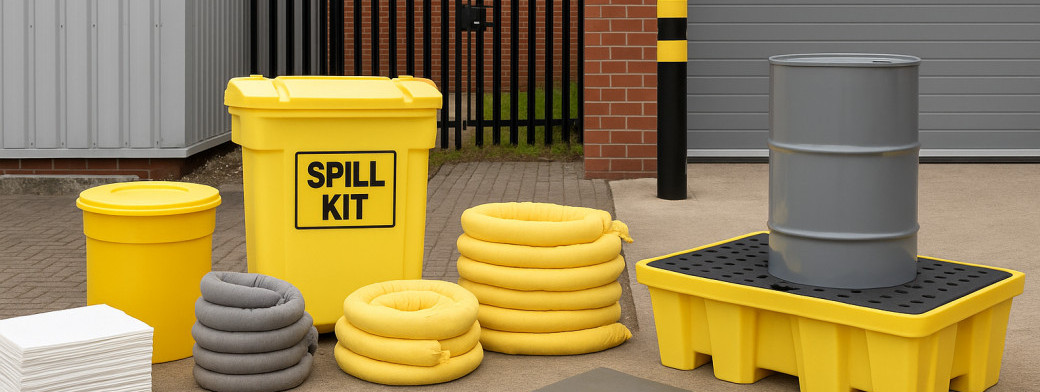
Introduction to Spill Preparedness Audits
Spill preparedness audits are systematic evaluations designed to assess an organisation's readiness to respond to hazardous material spills. These audits are crucial for identifying potential risks, evaluating existing spill response plans, and ensuring compliance with regulatory standards. By conducting these audits, organisations can proactively manage spill risks, protecting both their assets and the environment.
For insurers and risk managers, the importance of spill preparedness audits cannot be overstated. These audits provide a comprehensive overview of an organisation's capability to handle spills, which directly influences risk assessments and insurance premiums. By understanding the spill readiness of their clients, insurers can better tailor their policies to reflect the actual risks involved. Additionally, risk managers can use the findings from these audits to implement more effective spill prevention and response strategies.
Overview of Sectors Affected by Spills
Spills can occur in various sectors, each with unique challenges and risks. Industries such as manufacturing, oil and gas, and chemical processing are particularly vulnerable due to the nature of their operations. According to the HSE - COSHH guidelines, these sectors must adhere to stringent regulations to control hazardous substances and mitigate spill risks. Furthermore, businesses in the retail and transportation sectors also face spill-related challenges, especially when dealing with fuel and other hazardous materials.
In summary, spill preparedness audits serve as a vital tool for safeguarding both organisations and the environment. By recognising the importance of these audits, insurers and risk managers can better prepare for potential spills and reduce the associated risks.
Storage: Assessing Hazardous Material Storage
Evaluating how hazardous materials are stored is crucial for preventing spills and ensuring workplace safety. Effective storage practices not only protect employees but also safeguard the environment from potential contamination.
Best Practices for Storage
To maintain a high level of spill preparedness, businesses should adhere to several best practices for hazardous material storage:
- Always store hazardous materials in designated areas that are clearly marked and accessible only to trained personnel.
- Implement a routine inspection schedule to check for leaks, corrosion, and other signs of deterioration in storage conditions.
- Ensure that all hazardous materials are stored off the ground on appropriate containment systems, such as bunds, to capture any potential spills.
- Maintain adequate ventilation in storage areas to prevent the buildup of toxic fumes.
Types of Containers and Their Suitability
The choice of containers is vital in minimising the risk of spills. Containers should be compatible with the materials they hold. Common types include:
- Drums: Steel or plastic drums are suitable for liquids but must be checked for compatibility with chemicals.
- IBC Totes: Intermediate Bulk Containers are ideal for larger volumes and should be used for non-reactive materials.
- Storage Cabinets: Flammable storage cabinets should be used for combustible materials to reduce risks.
For more details on storage solutions, visit Serpro Storage Solutions.
Regulatory Requirements
Compliance with regulations is essential for effective spill preparedness. The HSE COSHH guidelines outline the framework for controlling hazardous substances and documenting risk assessments. Additionally, the HSE Slips and Trips guidance provides insights into preventing accidents related to spills. Businesses must also adhere to the GOV.UK Pollution Prevention guidelines, which detail environmental protection expectations.
Secondary Containment: Essential Measures
In the realm of spill preparedness, implementing effective secondary containment systems is crucial for minimising environmental impact and ensuring compliance with regulations. Different sectors face unique challenges, and understanding the types of secondary containment available is the first step towards enhancing spill readiness.
Types of Secondary Containment
Secondary containment systems can take various forms, tailored to the specific needs of an operation. Common types include:
- Bunds: These are walls or barriers designed to contain spills around storage tanks and hazardous materials. They are typically made from impermeable materials to prevent leakage.
- Double-walled tanks: These tanks feature an inner and outer wall, with the space in between acting as a containment layer in case of a leak.
- Spill pallets: Ideal for storing drums and containers, spill pallets have a built-in sump that can hold any leaking liquids.
Design Considerations
When designing secondary containment systems, several factors must be considered to ensure effectiveness:
- Capacity: The containment system should have the capacity to hold at least 110% of the volume of the largest container it holds.
- Location: Positioning the system away from drainage systems and water sources is vital to prevent contamination.
- Materials: Selecting appropriate materials that resist the chemicals stored is essential for durability and effectiveness.
Maintenance and Inspection
Regular maintenance and inspection of secondary containment systems are imperative to ensure their functionality:
- Routine Checks: Implement a schedule for inspecting the integrity of the containment structures, looking for signs of wear or damage.
- Cleaning: Regular cleaning of the containment area prevents the accumulation of hazardous substances that could compromise its effectiveness.
- Documentation: Keeping detailed records of inspections and maintenance activities supports compliance with regulations, such as those outlined in HSE - COSHH.
For further information on secondary containment systems, visit Serpro, where you can find comprehensive resources and solutions tailored to your needs.
Drain Protection: Preventing Environmental Contamination
Effective drain protection techniques are essential for minimising the risk of environmental contamination during spills. Various methods can be employed to safeguard drainage systems, including the installation of spill kits, drain covers, and barriers that can contain spills at their source. These proactive measures help prevent hazardous substances from entering the drainage system and subsequently reaching local watercourses.
The Importance of Regular Inspections
To ensure the ongoing effectiveness of drain protection measures, regular inspections are crucial. Routine checks can identify potential vulnerabilities in the drainage system, such as blockages or wear and tear on protective equipment. Implementing a schedule for inspections allows organisations to address issues before they escalate into significant environmental risks. Furthermore, documentation of these inspections is vital for regulatory compliance and can serve as evidence of due diligence in the event of an incident.
Regulatory Compliance
Adhering to regulations regarding spill preparedness and pollution prevention is a legal requirement for many businesses. The GOV.UK guidance on pollution prevention outlines the expectations for businesses to manage spills effectively. Compliance not only protects the environment but also safeguards organisations from potential legal repercussions and financial penalties. Additionally, following the guidelines set forth by the HSE – COSHH framework ensures that hazardous substances are managed responsibly, further reducing the risk of spills and environmental contamination.
In summary, implementing robust drain protection techniques, conducting regular inspections, and ensuring regulatory compliance are key components of an effective spill preparedness strategy. By prioritising these aspects, businesses can significantly reduce their environmental impact and enhance their overall spill readiness.
Training: Empowering Employees
Effective spill preparedness begins with comprehensive training programmes designed to equip employees with the necessary knowledge and skills to respond swiftly and effectively in the event of a spill. Training should not only cover the basics of spill response but also delve into the specifics relevant to the particular sector, ensuring that all employees understand their roles and responsibilities.
Training Programmes for Employees
Organisations should implement structured training programmes that include both theoretical and practical components. These programmes can encompass a variety of topics, such as:
- Understanding the types of materials that may spill and their associated hazards.
- Proper use of personal protective equipment (PPE).
- Step-by-step spill response procedures.
- Emergency reporting protocols.
- Post-spill clean-up and disposal methods.
For tailored training solutions, organisations can explore resources from Serpro Training, which offers specialised courses on spill response and environmental safety.
Frequency and Types of Training
To maintain a high level of readiness, training should be conducted regularly. A recommended approach includes:
- Initial training for new employees upon hiring.
- Refresher courses at least annually to keep knowledge current.
- Scenario-based drills that simulate spill situations to enhance practical skills.
Additionally, specific training should be provided whenever new materials or procedures are introduced, ensuring that all employees remain informed and prepared.
Evaluation of Training Effectiveness
To ensure that training programmes are achieving their intended outcomes, organisations should regularly evaluate their effectiveness. This can be done through:
- Feedback surveys from participants to gauge understanding and confidence levels.
- Observation of employees during drills to assess their practical application of skills.
- Reviewing incident reports to identify areas for improvement.
For further guidance on environmental protection expectations that underpin spill preparedness, refer to the GOV.UK guidance on pollution prevention for businesses. By prioritising training, organisations can empower their employees to respond effectively to spills, ultimately reducing risk and ensuring compliance with regulations such as those outlined by HSE – COSHH and HSE – Slips and Trips.
Inspection Routines: Maintaining Readiness
Regular inspections are a cornerstone of effective spill preparedness, ensuring that organisations are not only compliant with regulations but also ready to respond promptly and efficiently in the event of a spill. By implementing systematic inspection routines, businesses can identify potential hazards, assess the adequacy of their spill response kits, and maintain compliance with health and safety standards.
Importance of Inspection Checklists
An effective way to streamline the inspection process is by using inspection checklists. These checklists should be tailored to the specific needs of each sector, encompassing various elements such as:
- Availability and condition of spill response kits
- Accessibility of safety data sheets (SDS)
- Proper labelling of hazardous substances
- Training records for staff on spill response procedures
By having a comprehensive checklist, organisations can ensure that no critical aspect of spill preparedness is overlooked.
Frequency of Inspections
The frequency of inspections should be determined based on the level of risk associated with the materials handled and the specific operational environment. High-risk sectors, such as manufacturing or chemical processing, may require weekly inspections, while lower-risk environments might suffice with monthly checks. As a guideline, it is advisable to conduct at least quarterly inspections to maintain a consistent standard of readiness.
Documentation of Findings
Documenting the findings of each inspection is crucial for ensuring accountability and facilitating continuous improvement. All inspection reports should be stored securely and reviewed regularly to identify trends or recurring issues. This documentation serves not only as evidence of compliance with regulations such as the HSE COSHH regulations, but also as a valuable resource for training and improving spill response strategies.
Furthermore, the documentation should include corrective actions taken, which can help in refining spill control programmes and enhancing overall safety measures. For additional guidance, businesses can refer to HSE’s slips and trips prevention guidance and the GOV.UK pollution prevention guidelines.
Waste Routes: Managing Spill Waste
Effective management of waste resulting from spills is crucial for minimising environmental impact and ensuring compliance with waste disposal regulations. Every organisation must adhere to these regulations to avoid penalties and safeguard public health.
Understanding Waste Disposal Regulations
In the UK, businesses are required to follow strict regulations regarding the disposal of hazardous and non-hazardous waste. The HSE's COSHH guidelines provide a framework for controlling hazardous substances and documenting risk assessments related to spill incidents. It is essential for organisations to understand their obligations under these regulations to ensure proper management of spill waste.
Best Practices for Waste Routes
Establishing clear waste routes is vital for effective spill waste management. Best practices include:
- Identifying designated areas for spill waste containment.
- Training employees on proper handling and disposal techniques.
- Utilising appropriate containers for different types of waste to prevent cross-contamination.
- Regularly reviewing and updating waste management procedures to align with current regulations.
For comprehensive waste management solutions, consider referring to Serpro’s waste management services.
Documentation and Reporting
Documentation plays a critical role in spill preparedness and waste management. All incidents should be thoroughly documented, including the type of waste generated, the disposal method used, and any corrective actions taken. This not only aids in compliance with regulations but also helps in identifying areas for improvement in spill response strategies.
Regular reporting and audits can provide valuable insights into spill management effectiveness and help organisations stay compliant with environmental protection expectations outlined by the GOV.UK guidance on pollution prevention.
Scoring Approach for Prioritising Improvements
To effectively evaluate spill preparedness, a structured scoring system can be invaluable. This system allows organisations to quantify their readiness and identify areas needing improvement. By implementing a scoring approach, insurers and risk managers can prioritise actions based on objective data.
Criteria for Scoring
The scoring system should encompass various criteria that reflect the key aspects of spill preparedness. Common criteria include:
- Training and Awareness: Assessing if staff are trained in spill response procedures.
- Equipment Availability: Evaluating the accessibility and condition of spill response equipment.
- Emergency Plans: Reviewing the comprehensiveness of spill response plans and their regular updates.
- Regular Drills: Checking the frequency and effectiveness of spill response drills.
Examples of Scoring Applications
For instance, a facility might score 0-5 for each criterion, where:
- 0 indicates no measures in place
- 5 indicates comprehensive and effective measures
This scoring can help rank facilities within a sector or identify specific sites requiring immediate attention. For example, a site scoring low in Training and Awareness might need to initiate staff training sessions promptly.
Benefits of a Scoring Approach
Adopting a scoring system has several advantages:
- Objective Assessment: Provides a clear framework for evaluating readiness, reducing subjectivity.
- Benchmarking: Allows comparison with industry standards or peers, fostering continuous improvement.
- Resource Allocation: Helps in prioritising resource allocation towards the most critical areas, enhancing overall safety.
Ultimately, a well-implemented scoring approach not only enhances spill preparedness but also contributes to compliance with regulations such as those outlined by the HSE COSHH guidelines and GOV.UK pollution prevention guidance.
Conclusion: The Importance of Regular Audits
Spill preparedness is not just a regulatory requirement; it is a critical component of risk management that can significantly mitigate the impact of environmental incidents. Regular audits of spill readiness help identify vulnerabilities, ensure compliance with regulations, and protect both people and the environment. By proactively assessing spill response capabilities, businesses can reduce the likelihood of damaging spills and their associated costs.
Insurers and risk managers play a vital role in this process. It is essential for them to advocate for and facilitate spill preparedness audits within their organisations. By doing so, they not only safeguard their assets but also contribute to a culture of safety and environmental responsibility. The time to act is now; ensure that your organisation is equipped to handle spills effectively by prioritising these audits.
Moreover, implementing the findings from these audits is crucial. Addressing identified gaps not only enhances your spill response strategy but also aligns with the environmental protection expectations set forth by government guidelines. Regular reviews and updates of spill response plans can mean the difference between a controlled incident and a catastrophic spill.
In summary, the importance of regular spill preparedness audits cannot be overstated. They are an investment in safety, compliance, and environmental stewardship that will pay dividends in the long run.