
The Importance of Spill Management in NASCAR Garages
Spill management refers to the systematic approach to preventing, responding to, and cleaning up spills of hazardous liquids in various environments. In NASCAR garages, where speed and efficiency are paramount, effective spill management is essential to maintain safety and operational integrity.
Spills in motorsport can have severe consequences, ranging from safety hazards for team members to potential environmental damage. Engine oil, fuel, coolant, and brake cleaner are common liquids that often pose risks when spilled. These substances can create slippery surfaces, leading to accidents, and may also cause harmful emissions if not handled properly.
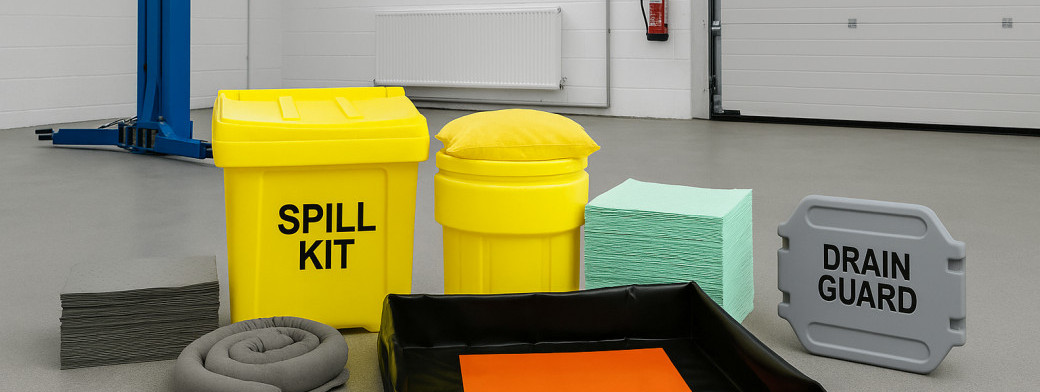
In a high-speed environment like a NASCAR garage, spills can occur during routine maintenance, quick tyre changes, or as a result of equipment malfunctions. Therefore, having a robust spill management plan is crucial. Teams must ensure that absorbent materials, such as absorbent pads, drain covers, and small spill kits are readily available to facilitate quick clean-ups.
Moreover, understanding the types of liquids involved and where spills are most likely to start can help teams prepare effectively. Regular inspections and clear labelling of spill stations can further enhance response readiness. For comprehensive guidance on the safe handling of flammable liquids, refer to the HSE's guidelines, and for more information on managing petrol spills, see the HSE's publication.
Common Liquids and Their Risks
In the high-octane world of NASCAR-style garages, the efficient clean-up of spills is crucial not only for maintaining a tidy workspace but also for ensuring the safety of all personnel involved. With various liquids being handled at any given moment, understanding the risks associated with each is essential for effective spill management.
Engine Oil
Engine oil is one of the most commonly spilled liquids in any garage environment. Its slick nature can create hazardous conditions, leading to slips and falls. Furthermore, engine oil contains harmful additives that can pose environmental risks if not cleaned up promptly. To mitigate these risks, having oil absorbents readily available is vital for quick containment and clean-up.
Fuel
Fuel spills are particularly dangerous due to their flammable nature. Even small amounts can lead to significant fire hazards if not managed properly. It is crucial for garages to have spill kits specifically designed for fuel spills and to ensure that all personnel are trained in their use. Guidelines for the safe handling of petrol in garages can be found in the HSE's guidance on flammable liquids.
Coolant
Coolant spills, although less common, can also pose health risks. Many coolants contain ethylene glycol, which is toxic if ingested. Quick clean-up is essential to prevent accidents and to protect the environment. Using chemical absorbents can be particularly effective for managing coolant spills.
Brake Cleaner
Brake cleaner is another liquid frequently used in NASCAR garages, often leading to spills. These cleaners are typically solvent-based and can be harmful if inhaled or if they come into contact with skin. It is important to handle brake cleaner with care and have adequate ventilation in the work area. Spill stations equipped with absorbent pads and rolls can help manage any accidental spills quickly and efficiently.
In conclusion, understanding the types of liquids commonly found in NASCAR-style garages and their associated risks is a critical component of spill management. Implementing a robust spill management plan that includes proper training and readily available absorbents can significantly reduce the risks associated with these liquids.
Identifying Spill Sources and Prevention Measures
In the fast-paced environment of NASCAR-style garages, effective spill management is crucial to maintaining safety and efficiency. The nature of the work often involves various liquids, which can lead to spills if not properly managed. Identifying common spill sources and implementing preventative measures can significantly reduce the risk of accidents and enhance the overall safety of the pit area.
Common Spill Sources
Several liquids are regularly handled in garages, including engine oil, fuel, coolant, and brake cleaner. Spills can occur during routine maintenance, quick tyre changes, or when transferring fluids. Areas where spills are most likely to happen include:
- Underneath vehicles during servicing
- Near fuel dispensing areas
- Workstations where fluids are stored or transferred
- Tyre change zones
Preventative Measures
To mitigate the risk of spills, garages should implement several preventative measures. These include:
- Utilising drip trays to catch any drips from vehicles or equipment.
- Keeping spill kits readily available in multiple locations for quick access during an incident.
- Training staff on proper fluid handling techniques and the importance of using absorbent materials, such as pads and socks, to manage spills effectively.
- Regularly inspecting storage areas and ensuring that all containers are properly sealed and labelled.
Importance of Training Staff
Training staff is vital for effective spill management. Employees should be educated on the types of fluids they will encounter, the potential hazards associated with each, and the appropriate response procedures in the event of a spill. Regular training sessions can help reinforce these practices and ensure that all team members are prepared to respond swiftly and effectively, minimising risks and maintaining safety in the garage environment.
By identifying common spill sources, implementing preventative measures, and prioritising staff training, NASCAR-style garages can significantly enhance their spill management strategies, ensuring a safer and more efficient operation.
Essential Spill Clean-Up Equipment
In the fast-paced environment of NASCAR-style garages, efficient spill management is vital for maintaining safety and ensuring smooth operations. To effectively tackle spills, having the right equipment on hand is crucial. Here are some essential tools that should be part of every pit crew's spill response strategy:
Absorbent Pads
Absorbent pads are versatile and can quickly soak up various liquids, including oil, coolant, and fuel. They are ideal for placing under vehicles during maintenance to catch any drips or spills before they can spread. Easy to deploy and dispose of, these pads can significantly reduce the risk of slip hazards in the garage.
Absorbent Rolls
For larger spills, absorbent rolls provide an efficient solution. These rolls can be cut to size, allowing crews to tailor their use based on the specific needs of the situation. They are perfect for covering extensive areas quickly, making them a valuable asset during busy race days.
Absorbent Socks
Absorbent socks are designed to contain spills and prevent them from spreading. They are particularly useful for encircling leaks or pooling liquids, providing a barrier that keeps the garage floor safe. These socks can also be used around drains to prevent contaminants from entering the drainage system.
Small Spill Kits
Having small spill kits readily available ensures that crews can respond to emergencies promptly. These kits typically include absorbents, gloves, disposal bags, and instructions for use. By equipping each pit with a kit, teams can maintain a quick response time, minimizing the impact of any spills.
Incorporating these essential spill clean-up tools into your NASCAR-style garage operations not only enhances safety but also promotes a culture of preparedness and efficiency. Regular training and inspections will further ensure that all crew members are familiar with spill response protocols and equipment usage.
Quick Clean-Up Practices for NASCAR Pit Stops
In the fast-paced world of NASCAR, efficient spill management is crucial for maintaining safety and performance during pit stops. Quick clean-up practices not only reduce downtime but also ensure a safe working environment for all team members. Here’s a guide on implementing effective clean-up strategies.
Immediate Clean-Up Steps
- Assess the Spill: Quickly evaluate the size and type of spill. Is it fuel, oil, or another liquid? Understanding the nature of the spill is essential for choosing the right clean-up materials.
- Contain the Spill: Use absorbent socks or pads to encircle the spill and prevent it from spreading further. This initial containment is vital for maintaining a safe work area.
- Absorb the Liquid: Apply absorbent materials such as absorbent rolls or pads to soak up the liquid. Ensure that team members use the appropriate type of absorbent based on the liquid involved.
- Dispose of Waste Properly: Collect all used absorbents and place them in designated disposal bags. It is important to separate waste appropriately, especially when dealing with hazardous materials.
- Final Inspection: After clean-up, conduct a quick inspection of the area to ensure no residue remains. This step is crucial to prevent slips and trips, as highlighted in the HSE guidance on slips and trips.
Roles of Team Members
Effective spill management requires a coordinated effort from all team members:
- Team Leader: Oversees the clean-up process, ensuring everyone knows their roles and responsibilities.
- Designated Clean-Up Crew: Responsible for executing the clean-up steps, including containment and absorption of the spill.
- Safety Officer: Monitors safety protocols and ensures that all team members are equipped with necessary personal protective equipment (PPE) such as gloves.
Importance of Speed and Efficiency
In NASCAR, every second counts. A quick and efficient clean-up can make the difference between winning and losing a race. By implementing these practices, teams can minimise downtime and maintain the momentum critical to their performance. Additionally, ensuring that all team members are trained in spill response can foster a culture of safety and preparedness.
For more information on effective clean-up products, visit SERPRO’s quick clean-up products page.
Waste Separation and Disposal
In the high-octane environment of NASCAR-style garages, effective spill management is crucial not only for safety but also for environmental compliance. Proper waste separation and disposal practices can significantly mitigate risks associated with hazardous materials commonly found in these settings.
Types of Waste
Spills in garages typically involve a variety of waste types, including:
- Oil: Engine oil and gear oil are prevalent and require specific disposal methods.
- Fuel: Spilled petrol or diesel must be treated with care due to its flammable nature.
- Coolants: Antifreeze and other cooling agents can be toxic and should be handled properly.
- Cleaning Agents: Brake cleaners and solvents may contain harmful chemicals that necessitate special disposal.
Proper Disposal Methods
To maintain compliance and ensure safety, follow these disposal guidelines:
- Utilise designated disposal bags for each type of waste, clearly labelled to avoid cross-contamination.
- Implement a system for segregating absorbent materials used in spill clean-up, ensuring they are disposed of according to local regulations.
- Store hazardous waste in secure containers, away from pedestrian areas, and ensure they are collected by licensed waste disposal services.
Importance of Compliance
Adhering to waste disposal regulations is not just about maintaining a clean workspace; it’s a legal obligation. Non-compliance can lead to significant fines and environmental harm. Regular inspections should be conducted to ensure that all waste management practices are up to standard, helping to prevent potential spills from escalating into hazardous situations.
By implementing effective waste separation and disposal strategies, NASCAR-style garages can ensure a safer and more efficient working environment.
Routine Inspections and Maintenance
In the high-octane environment of NASCAR-style garages, routine inspections and maintenance play a crucial role in effective spill management. Regular checks not only ensure compliance with safety standards but also enhance the overall efficiency of spill response.
Inspection Routines
Establishing a systematic inspection routine is vital for identifying potential spill hazards before they escalate. Garages should implement daily, weekly, and monthly inspections focusing on areas prone to leaks, such as fuel storage, oil change stations, and tyre fitting zones. These inspections should assess the condition of spill containment products, such as absorbent pads and drip trays, ensuring they are in good working order and adequately stocked.
Checklist for Spill Management
A comprehensive checklist can streamline the inspection process and ensure that no aspect of spill management is overlooked. Key items to include are:
- Check the availability and condition of absorbent materials (pads, rolls, socks).
- Inspect drip trays and ensure they are positioned correctly.
- Verify that all staff are aware of spill response procedures.
- Ensure that waste disposal bags are available and clearly labelled.
Training and Awareness
Training is essential in fostering a culture of spill preparedness within the garage. Staff should receive regular training on the correct use of spill control products and the procedures for responding to spills. This includes knowing how to properly segregate waste and use absorbents effectively. Increasing awareness of spill risks and response techniques can significantly reduce spill incidents and enhance workplace safety. For further guidance on managing incidents, refer to the HSE guidelines.