
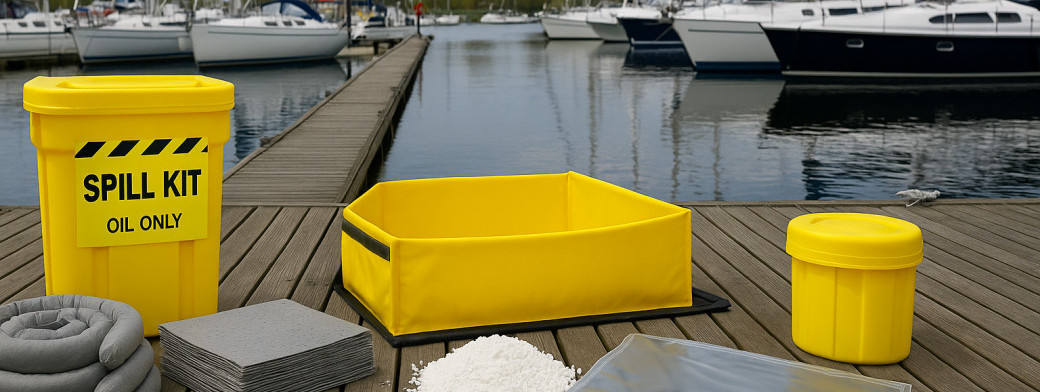
Introduction: The Need for Spill Preparedness in Marina Maintenance
Spill preparedness refers to the proactive measures and plans established to prevent, manage, and mitigate the impact of spills within a specific environment. In marinas, where the proximity to water makes the consequences of spills particularly concerning, having a comprehensive spill plan is crucial. The nature of marina operations often involves working with various liquids, such as diesel, antifreeze, and paints, which can lead to accidental spills if not properly managed.
Effective spill planning in marinas not only helps protect the local ecosystem but also ensures compliance with environmental regulations. Regular maintenance activities around boats and engines can introduce risks, especially when handling substances that can contaminate water sources. Therefore, implementing a robust spill response strategy is essential for maintaining environmental integrity and operational safety.
One of the key components of spill preparedness is the use of absorbents. These materials are designed to soak up liquids, thereby preventing them from spreading and entering waterways. There are various types of absorbents available, including oil-only absorbents, which are particularly effective for dealing with petroleum-based spills, and general-purpose absorbents that can handle a wider range of liquids. Additionally, specialized chemical absorbents can be employed for more hazardous materials. Ensuring that the right absorbents, such as drip trays and absorbent socks, are readily available in work areas can significantly reduce the risk of spills affecting the surrounding environment.
Common Liquids and Spill Sources in Marina Environments
Marina environments are bustling hubs of activity where boats are maintained, engines are serviced, and various liquids are frequently handled. Understanding the common liquids found in these settings and their potential spill sources is crucial for effective spill preparedness and environmental protection.
Outboard Engine Oils
Outboard engine oils are essential for the smooth operation of marine engines. However, spills can occur during refuelling or routine maintenance. It is vital to have oil-only absorbents readily available to quickly contain any leaks before they reach the water.
Diesel Fuel
Diesel fuel is another common liquid found in marinas, particularly for larger vessels and service equipment. Spills may happen during refuelling or maintenance work. Implementing a robust spill response plan, including the use of absorbent socks and mats, can help mitigate the impact of diesel spills on the marina environment.
Bilge Water
Bilge water, which can contain oil, fuel, and other contaminants, is often pumped out of boats. This process can lead to unintentional spills, especially if not managed correctly. Regular inspections and the use of general-purpose absorbents can aid in managing bilge water effectively.
Antifreeze
Antifreeze is commonly used in marine engines to prevent freezing during colder months. However, improper handling or disposal can lead to spills that pose risks to the aquatic environment. It is crucial to have proper containment measures, such as drip trays and absorbent pads, to capture any leaks.
Polishes and Paints
Marinas often utilise various polishes and paints for maintenance and aesthetic purposes. These substances can be hazardous if spilled, contaminating water and harming marine life. Ensuring that absorbents are on hand near work areas, as well as maintaining clear spill station labelling, can help prevent and manage spills effectively.
For more detailed guidance on pollution prevention, refer to the UK Government's guidance on pollution prevention.
Strategic Placement of Absorbents Near Water-Facing Work Areas
In the bustling environment of a marina, effective spill planning is crucial to safeguard the surrounding waters from potential contaminants. The use of oil-only absorbents plays a pivotal role in mitigating the risk of spills that can arise from various activities, such as engine maintenance and bilge work.
The Importance of Oil-Only Absorbents
Oil-only absorbents are specifically designed to soak up oil and petroleum-based liquids while repelling water. This characteristic makes them particularly valuable in marina settings, where any spills from outboards, diesel engines, antifreeze, polish, and paints can pose a significant threat to aquatic environments. By strategically placing these absorbents near water-facing work areas, marinas can effectively contain spills before they reach the water.
Recommended Locations for Absorbents
To maximise spill prevention, consider placing oil-only absorbents in the following locations:
- Near outboard motor maintenance stations
- At diesel fuel dispensing areas
- Adjacent to bilge water discharge points
- Close to areas where antifreeze and other chemicals are handled
- At workstations where polishing and painting activities occur
Utilising Drip Trays and Socks
In addition to absorbent pads and rolls, absorbent socks and drip trays can provide targeted spill management. Drip trays should be placed under engines during maintenance to catch any leaks or drips, while absorbent socks can be strategically positioned around dockside drains to prevent contaminants from entering the water. Regular checks and refills of these absorbents should be part of routine inspections to ensure continuous protection.
By implementing these practices, marinas can maintain a cleaner, safer environment for both boaters and marine life, while also adhering to best practices in pollution prevention.
Routine Inspections and Maintenance Practices
Regular inspections and maintenance are crucial for spill preparedness in marina workshops. By implementing a systematic approach to checking absorbents and identifying potential spill sources, marinas can significantly reduce the risk of environmental contamination.
Inspection Routines for Absorbents
Establishing a routine for inspecting absorbents around boats and engines is essential. Regularly check oil-only absorbents, such as spill kits, absorbent pads, rolls, and socks, to ensure they are in good condition and ready for use. Look for signs of saturation or damage, and replace any worn or ineffective materials promptly. This proactive maintenance helps ensure that spills are contained swiftly, minimising the risk of pollution.
Identifying Potential Spill Sources
Understanding where spills are likely to occur is key to spill preparedness. Common sources include outboards, diesel fuel, bilge water, antifreeze, polish, and paints. Regularly assess these areas for leaks or drips, and ensure that absorbent materials are strategically placed nearby. Additionally, inspect dockside drains and ensure they are protected with drain covers to prevent pollutants from entering the water system.
Checking and Maintaining Spill Kits
Spill kits should be easily accessible and well-maintained. During routine inspections, verify that all components of the spill kit are intact and that absorbents are readily available. Ensure that the kit includes appropriate items such as gloves, disposal bags, and clear spill station labelling. Regularly restock the kit to ensure it meets the needs of your marina and complies with best practices for spill response.
By integrating these inspection routines into your marina's maintenance practices, you can enhance spill preparedness and protect the environment effectively. For more information on spill prevention and management, consider reviewing guidance from the Health and Safety Executive on slips and trips, which highlights the importance of maintaining safe working conditions.
Waste Separation and Safe Disposal Practices
Effective waste separation and safe disposal practices are essential in marina workshops to mitigate environmental risks and enhance safety. The types of waste generated during boat and engine maintenance can vary widely, including oil, antifreeze, bilge water, paint residues, and absorbent materials. Each of these waste types requires specific handling and disposal methods to prevent contamination of nearby water bodies.
Types of Waste Generated
Common waste types found in marina environments include:
- Oil and Fuel Spills: These often arise from engine maintenance, outboard servicing, and fuel transfers.
- Bilge Water: Typically contains a mix of oil, fuel, and other contaminants that can leak from engines.
- Antifreeze: Used in engine cooling systems, it can be hazardous if not managed correctly.
- Paint and Polish Residues: These can release harmful chemicals into the environment if disposed of improperly.
- Used Absorbents: Materials such as pads, rolls, and socks that have absorbed spills also require careful disposal.
Safe Disposal Methods for Absorbents
When it comes to disposing of absorbent materials, it’s vital to follow safe practices. Used absorbents should be placed in clearly labelled disposal bags designed for hazardous waste. These bags should be securely sealed and stored in a designated area until they can be collected by a licensed waste disposal service. Regular checks should be made to ensure that the disposal area is not overfilled and that all materials are correctly segregated.
Importance of Clear Labelling and Segregation
Clear labelling is crucial in a marina workshop setting. Each waste type should be distinctly labelled to ensure that all personnel understand the proper disposal methods. This not only prevents cross-contamination but also aids in compliance with local regulations, as outlined in the GOV.UK guidance on pollution prevention for businesses. Furthermore, segregation of waste materials helps streamline the disposal process and ensures that hazardous substances are managed appropriately, reducing the risk of environmental contamination.
Incorporating these best practices into daily operations will foster a safer and more environmentally friendly marina workshop.
Conclusion: Emphasising the Importance of Spill Preparedness
In the bustling environment of a marina, spill preparedness is not just a beneficial practice; it is a crucial component of maintaining safety and environmental integrity. With various liquids such as diesel, antifreeze, and paints frequently in use, the potential for spills is ever-present. By implementing effective spill management strategies, including the use of absorbents, marinas can significantly mitigate the risk of contamination to our precious waterways.
Utilising oil-only absorbents near water-facing work areas is essential, especially when dealing with outboards and bilge work. These absorbents are specifically designed to tackle oil-based spills, ensuring that any leaks or drips do not reach the water. Regular inspection routines and proactive measures such as keeping absorbent pads, rolls, and socks readily available can make a considerable difference in spill response times.
Moreover, separating waste correctly and using proper disposal methods enhances the overall effectiveness of spill preparedness. By providing clear spill station labelling and ensuring that all marina staff are trained in spill response, the risk of accidents can be substantially reduced. It is vital for all personnel to be vigilant and proactive in maintaining a clean and safe working environment.
In conclusion, the use of absorbents in marina maintenance is not merely a suggestion; it is a necessity. By prioritising spill preparedness, marinas can protect both their operations and the surrounding ecosystem. Let us commit to taking these proactive measures to ensure a cleaner and safer marina experience for everyone.