
Introduction
Spill prevention refers to the strategies and measures implemented to avoid accidental releases of hazardous materials, such as fuel oil, into the environment. In the agricultural sector, effective spill prevention is crucial not only for protecting the ecosystem but also for maintaining compliance with regulations. The SSAFO (Storing Silage, Slurry and Agricultural Fuel Oil) regulations set forth guidelines to manage the storage of agricultural fuel oil, ensuring that farms operate within legal boundaries while minimising pollution risks.
Compliance with SSAFO regulations is not merely a legal obligation; it is a vital aspect of sustainable farming practices. By adhering to these guidelines, farms can significantly reduce the risk of fuel spills that can lead to soil and water contamination, thereby safeguarding local wildlife and water sources. Furthermore, effective spill prevention strategies can enhance a farm's reputation, reduce potential financial liabilities, and promote long-term operational efficiency.
This blog will explore key components of spill prevention in agricultural fuel oil storage, including:
- Bund sizing
- Security measures
- Inspection routines
- The importance of spill kits for refuelling areas
By implementing these strategies, farms can proactively manage their fuel oil storage, ensuring compliance with SSAFO expectations and contributing to a healthier environment.
Importance of Bunding
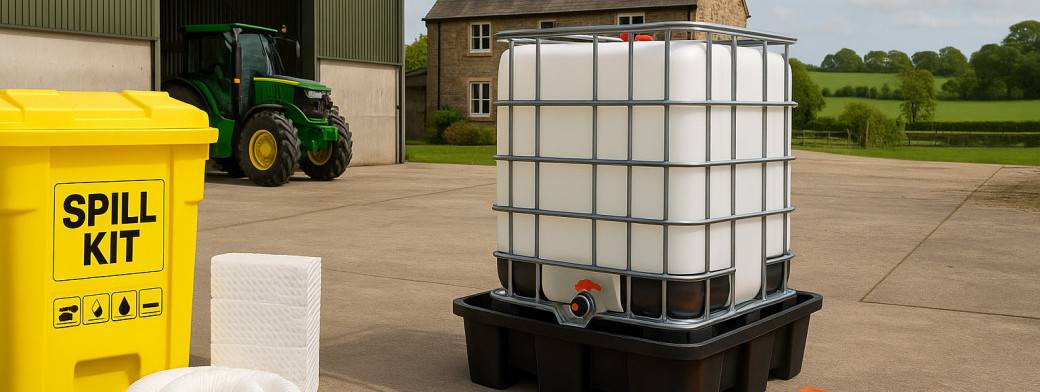
Bunding refers to the practice of constructing a containment area around fuel storage tanks to prevent spills and leaks from contaminating the surrounding environment. This containment system is designed to hold any accidental releases of fuel, ensuring that they do not escape into the soil or waterways.
Benefits of Bunding for Spill Prevention
The primary benefit of bunding is its effectiveness in spill prevention. By creating a physical barrier, bunds can contain up to 110% of the volume of the largest tank within the bunded area, effectively mitigating the risk of pollution. This is crucial for protecting local ecosystems and maintaining soil and water quality. Additionally, bunding enhances safety by reducing the likelihood of fire hazards associated with fuel spills.
Legal Requirements under SSAFO
Under the SSAFO regulations, specific requirements for bunding agricultural fuel oil storage must be adhered to. These regulations stipulate that any storage facility must be designed and constructed to prevent pollution. This includes ensuring that bunds are made from impermeable materials and are adequately sized to contain potential spills. Compliance with these legal requirements not only helps in reducing pollution risk but also promotes responsible farming practices.
For more detailed information on bund systems, visit Serpro Bund Systems.
Bund Sizing Guidelines
Effective bunding is essential for the safe storage of agricultural fuel oil, as it helps prevent spills and ensures compliance with regulations. Understanding the factors affecting bund size and how to calculate bund capacity is crucial for farmers looking to reduce pollution risk.
Factors Affecting Bund Size
Several factors influence the size of a bund, including:
- Volume of Fuel Oil: The total capacity of the storage tank is the primary determinant. Bunds should typically hold at least 110% of the tank's capacity to account for potential spills.
- Type of Fuel: Different fuels have varying properties. For example, diesel fuel may require different considerations compared to heating oil.
- Environmental Regulations: Compliance with SSAFO (Storing Silage, Slurry, and Agricultural Fuel Oil) guidelines necessitates specific bunding requirements. Refer to GOV.UK for detailed information on compliance.
Calculating Bund Capacity
To calculate the required bund capacity, follow these steps:
- Identify the total volume of the fuel oil storage tank.
- Multiply the tank volume by 1.1 to determine the minimum bund capacity.
- Consider additional factors such as potential rainfall or other sources of contamination that may require an even larger bund.
For a practical tool, you can use the bund sizing calculator available online to assist in these calculations.
Examples of Bund Sizing
Here are a couple of examples to illustrate proper bund sizing:
- If you have a 1,000-litre fuel oil tank, your bund should have a minimum capacity of 1,100 litres.
- For a 2,500-litre tank, the bund must be at least 2,750 litres to provide adequate spill containment.
By adhering to these bund sizing guidelines, farmers can significantly reduce the risk of pollution and ensure compliance with the necessary regulations. For further guidance on pollution prevention, visit GOV.UK.
Security Measures
Implementing robust security measures is essential to prevent unauthorized access to fuel storage areas on farms. This not only protects valuable resources but also mitigates pollution risks associated with spills and leaks.
Fencing and Locking Systems
Establishing a secure perimeter around fuel storage areas is a fundamental step in safeguarding against unauthorized access. Installing sturdy fencing can deter trespassers and keep livestock away from potentially hazardous materials. Complementing the fencing with reliable locking systems on gates and access points ensures that only authorized personnel can enter these critical zones. Regular checks on the integrity of these security measures are vital to maintain their effectiveness.
Surveillance Options
Incorporating surveillance technology can significantly enhance security. CCTV cameras can monitor fuel storage areas, providing real-time footage and recording incidents for future reference. This serves as both a deterrent to potential intruders and a means of quickly identifying and addressing any security breaches. Additionally, motion sensors can alert staff to any unauthorized movements in these areas, allowing for prompt action.
Importance of Staff Training
Equipping staff with the knowledge to recognise and respond to security threats is crucial. Training programs should cover the importance of security protocols, how to identify suspicious behaviour, and the correct procedures for reporting incidents. By fostering a culture of vigilance among employees, farms can significantly reduce the risk of unauthorized access and potential spills. For more information on enhancing security measures, consider exploring security solutions.
For additional guidance on preventing pollution and ensuring compliance, refer to the GOV.UK guidance on pollution prevention for businesses.
Regular Inspection Routines
Routine inspections are a critical component in maintaining compliance with pollution prevention regulations for agricultural fuel oil storage. Regular checks not only help in identifying potential issues before they escalate but also reinforce a culture of safety and environmental responsibility on the farm.
Frequency of Inspections
Inspections should be conducted at least monthly, with additional checks following any significant weather events or alterations to the storage setup. This frequency helps ensure that any wear or damage is caught early, and that the bunding system is effectively containing any potential spills.
Checklist for Inspections
During each inspection, use the following checklist to ensure comprehensive coverage:
- Check for visible signs of leaks or spills around the storage area.
- Inspect the integrity of the bund walls for cracks or erosion.
- Ensure that all valves and connections are secure and functioning properly.
- Verify that spill kits are accessible and fully stocked.
- Examine drainage systems to ensure they are clear and functioning effectively.
- Review and update any signage related to fuel storage and safety protocols.
Documentation of Findings
It is essential to document the findings of each inspection. This not only aids in tracking the condition of the storage area over time but also demonstrates compliance with SSAFO regulations. Use a dedicated logbook or digital tool to record:
- Date and time of inspection
- Name of the person conducting the inspection
- Details of any issues found and actions taken
- Follow-up actions or recommendations for future inspections
For effective documentation tools, consider exploring inspection tools that can streamline this process.
By adhering to a strict inspection routine, farms can significantly reduce the risk of pollution and promote a safer, more compliant operation.
Spill Kits for Refuelling Areas
Having spill kits readily available in refuelling areas is essential for effective spill prevention and compliance with the SSAFO regulations. These kits not only help contain spills quickly but also mitigate the risk of pollution, protecting both the environment and your farm's reputation.
Types of Spill Kits
There are various types of spill kits designed for specific needs:
- General Purpose Kits: Ideal for absorbing a range of liquids, including oils and chemicals.
- Oil-Only Kits: Specifically designed for oil spills, these kits repel water and absorb hydrocarbons.
- Hazmat Kits: Suitable for dealing with hazardous substances, ensuring safety while handling toxic materials.
Placement of Spill Kits
Spill kits should be strategically placed in refuelling areas, ensuring they are easily accessible in case of an emergency. Consider placing them:
- Near fuel storage tanks and refuelling points.
- In areas with high spill risk, such as loading docks.
- In close proximity to machinery that uses fuel or oils.
Regular checks should be conducted to ensure kits are fully stocked and accessible.
Training Staff on Spill Kit Use
It is vital that all staff members are trained on how to use spill kits effectively. Training should cover:
- Correct procedures for deploying the kit in case of a spill.
- Identifying different types of spills and selecting the appropriate kit.
- Safety measures and personal protective equipment (PPE) to use during clean-up.
Regular refresher courses can reinforce this knowledge and ensure compliance with pollution prevention guidelines.
By investing in quality spill kits and ensuring staff are well-trained, farms can significantly reduce the risk of spills and enhance overall compliance with environmental regulations.
Compliance with SSAFO
Compliance with the SSAFO regulations is essential for farmers storing fuel oil on their properties. These regulations are designed to prevent pollution and protect the environment from potential spills and leaks. By adhering to SSAFO guidelines, farms can ensure that their storage systems are adequate and secure, which significantly reduces the risk of contamination of soil and water sources.
Consequences of Non-Compliance
Failure to comply with SSAFO regulations can lead to severe consequences, including hefty fines, legal actions, and damage to a farm's reputation. Moreover, non-compliance can result in environmental harm, leading to long-term ecological damage that could affect local communities and wildlife. It is crucial for farmers to understand the implications of neglecting these regulations and to take proactive measures to ensure compliance.
Resources for Compliance Assistance
Farmers seeking guidance on SSAFO compliance can access a wealth of information through various resources. The UK government provides detailed guidance on storing agricultural fuel oil and constructing storage facilities. Additionally, for broader pollution prevention strategies, the Pollution Prevention for Businesses page offers essential insights. For tailored compliance assistance, visit Serpro Compliance Resources.
Conclusion
In summary, effective spill prevention strategies are essential for safeguarding our environment and ensuring compliance with the SSAFO regulations. Key measures include proper bund sizing to contain potential leaks, implementing robust security measures to deter tampering, and establishing regular inspection routines to identify and address any vulnerabilities in your fuel storage systems. Furthermore, having spill kits readily available in refuelling areas is crucial for a prompt response to any spills that may occur.
As farmers, it is vital to take a proactive approach to spill prevention. By adopting these strategies, you not only protect your land and water sources from pollution but also demonstrate your commitment to sustainable farming practices. We encourage you to regularly review your fuel storage systems and ensure they are compliant with the latest guidelines outlined by GOV.UK.
Ongoing education is equally important; staying informed about best practices and regulatory changes will help you maintain compliance and reduce the risk of spills. For comprehensive fuel storage solutions, consider exploring Serpro's offerings. Together, we can work towards a safer and more environmentally friendly farming industry.