
Published: 31 August 2026
Last updated: 24 August 2026
Why is Spill Management Crucial in Formula 2 and 3 Support Paddocks?
Spill management is crucial in Formula 2 and 3 support paddocks because these are the busy working areas behind the main track operation where teams prepare, service and turn around cars between sessions, often in tight, temporary and fast-moving conditions. In these paddocks, common spills include fuels, engine and gearbox oils, hydraulic fluids and coolants, all of which can create slip risks, fire concerns, equipment contamination and pollution if not contained quickly. Practical control usually depends on portable products such as absorbent pads, absorbent rolls, socks, drip trays and compact spill kits, supported by clear roles for who responds, isolates and disposes of waste. In the UK, teams and organisers also need to align paddock procedures with health, safety and pollution prevention duties rather than treating absorbents alone as compliance.
That matters because support paddocks combine high-value vehicles, frequent fluid handling and heavy foot traffic in a shared event environment. A small leak during refuelling preparation, component changes or transporter unloading can spread quickly across temporary flooring or hardstanding, affecting neighbouring teams as well as staff movement. Good spill planning therefore protects people, keeps work areas operational and helps reduce the chance of liquids reaching drains or the wider environment.
What makes spill control especially important here?
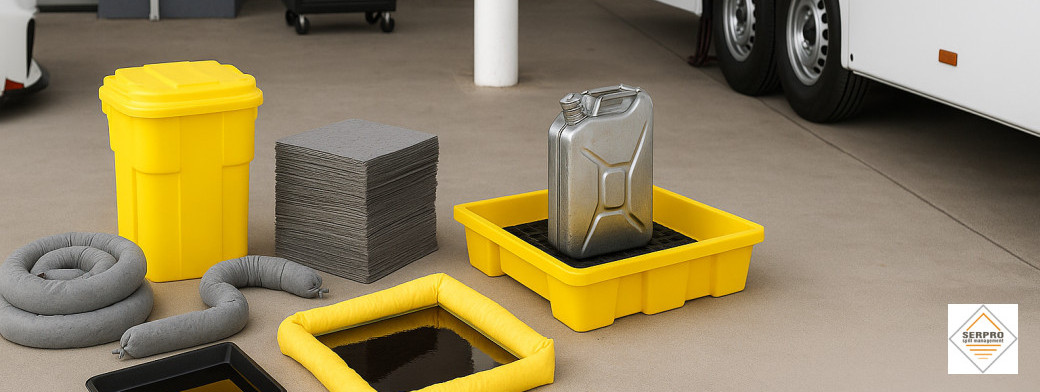
Unlike a fixed workshop, a support paddock is a temporary motorsport workspace that must stay organised under time pressure. Spills often start at connection points, under parked race cars, beside fuel handling areas, near waste fluid containers and around service benches. Portable absorbents are useful because they can be moved to the point of risk: pads for drips and wipe-up, socks for containing spread, rolls for walkways or bench areas, and drip trays for catching routine leaks before they reach the ground.
UK guidance also expects incidents and emergencies to be planned for in event settings. The HSE’s advice on incidents and emergencies at events, its guidance on the safe use of petrol, and GOV.UK guidance on pollution prevention for businesses all support a structured approach: identify likely liquids, keep suitable containment nearby, assign response responsibilities and separate used absorbents and recovered liquids for proper disposal.
What Types of Liquids Are Commonly Spilled in Paddocks?
In Formula 2 and Formula 3 support paddocks, the liquids most commonly spilled are petrol, engine oil and coolant, alongside smaller volumes of brake fluid, hydraulic fluids, cleaning chemicals and contaminated washings. These spills matter because they can create immediate slip hazards, expose mechanics and support staff to harmful substances, and allow pollutants to reach drains or surrounding ground if not contained quickly. In busy temporary paddock environments, even a minor leak can spread fast across smooth flooring and walkways.
Petrol presents one of the highest immediate risks because it is highly flammable and gives off vapours that need careful handling. Oils are common during servicing, top-ups and component changes, and while they may seem routine, they can make surfaces dangerously slippery and are harmful to the environment if released unchecked. Coolant can also be overlooked, but spills may leave slick residues and can contain substances that require controlled clean-up. For these different spill types, teams often need the right absorbent for the liquid involved, such as oil absorbents for hydrocarbon leaks and chemical absorbents where more aggressive fluids may be involved.
Common liquids likely to be spilled
- Petrol from refuelling equipment, containers or fuel system work
- Engine oil from drains, filters, lines and top-up tasks
- Coolant from hoses, radiators and maintenance work
- Brake and hydraulic fluids during repairs or part changes
- Degreasers, cleaners and other workshop chemicals
The environmental impact can be significant if spills enter surface water drains or soak into the ground, particularly with fuels, oils and chemical products. Health and safety risks include slips, trips and falls, skin contact, inhalation of vapours and, in the case of petrol, fire risk. The HSE’s guidance on slips and trips is especially relevant in paddocks, where fast-moving teams, tight working areas and frequent vehicle movements increase the consequences of poor spill control.
Where Do Spills Typically Occur in the Paddock?
Spills in Formula 2 and Formula 3 support paddocks most often occur where liquids are transferred, stored or handled quickly under pressure. In practice, that usually means fuel stations, car maintenance bays, transporter working areas and any point where oils, coolant or cleaning fluids are moved between containers. These locations combine tight turnaround times with frequent foot traffic, so even a small leak can create slip risks, contaminate temporary surfaces or spread towards drains if it is not contained promptly.
The best way to reduce incidents is to treat these hotspots as planned spill-control zones rather than waiting for a problem. Teams and support crews can lower risk by placing spill kits and absorbents within easy reach, using drip trays under refuelling points and service tasks, and keeping walkways clear so leaks are spotted early rather than tracked across the paddock.
Common spill hotspots
Fuel stations are one of the most obvious risk areas because hoses, couplings and containers are handled repeatedly during busy sessions. Maintenance areas are another frequent source, especially during oil top-ups, coolant changes, brake work and rapid component swaps. Transporter liftgates, parts storage points and generator areas can also produce drips from hydraulic systems, lubricants or waste fluid containers.
How to mitigate the risks
Preventative measures should focus on housekeeping and preparation. Store liquids upright and clearly labelled, inspect caps and fittings before use, and assign set places for decanting or servicing rather than allowing ad hoc fluid handling. Absorbent pads, socks and rolls can be positioned in advance around likely leak points, while waste bags and gloves help crews deal with small spills without delay. Routine checks also support wider good practice on slips, contamination and event incident planning.
The role of temporary flooring
Temporary flooring helps by creating a defined work surface that can make drips easier to spot and clean, but it should not be treated as spill protection on its own. Joints, edges and surface levels can still allow liquids to spread, pool or migrate into surrounding areas. Using flooring alongside drip trays, absorbents and clear response procedures gives better control over both minor drips and fast-moving spills.
What Spill Control Products Should Be Nearby?
Support paddocks should keep a small, clearly labelled spill response set within easy reach of each active work area. In practice, that means portable absorbents for fast first response, a suitable spill kit for larger leaks, and drip trays positioned under likely drip points before work starts. The aim is simple: stop a minor leak from spreading across temporary flooring, creating slip risks, or reaching drainage routes.
The most useful portable absorbents are pads, rolls and socks. Pads are ideal for wiping up small drips, catching fluid during quick maintenance jobs and dealing with isolated spots of oil or coolant. Absorbent rolls work well along benches, inside service areas or across longer sections of flooring where repeated contamination is likely. Absorbent socks are best for containment: they can be placed around a leak, along the edge of a work zone or near doorways and drains to stop liquids travelling further.
Choose absorbents to match the liquid
Not every spill should be treated with the same material. Oil-only absorbents are a practical choice where engine oil, gearbox oil or fuel residues are the main concern. General purpose absorbents suit mixed workshop liquids such as water-based fluids, light oils and grime from routine servicing. Chemical absorbents should be available where more aggressive fluids may be present, such as certain cleaners or specialist maintenance products. Selecting the right type helps response teams work faster and reduces waste from using unsuitable materials.
Do not overlook spill kits and drip trays
Spill kits should include absorbents, disposal bags and gloves, and they should be easy to identify during a busy race weekend. Drip trays are just as important because prevention is better than reaction: placing them beneath refuelling points, hose connections, hydraulic components and parked vehicles can catch leaks before they spread. This supports good housekeeping and aligns with wider UK guidance on pollution prevention and floor safety from GOV.UK and the HSE.
Who Should Be Assigned to Spill Response Roles?
Every support paddock team should assign named spill response roles before the race weekend starts. At minimum, one person should lead the response, one or two team members should deploy absorbents and protect walkways or drains, and another should manage communications with the wider crew, neighbouring teams and venue contacts. In a busy Formula 2 or Formula 3 environment, that simple structure helps spills get contained quickly, reduces slip risks and avoids confusion when several jobs are happening at once.
Roles should be practical rather than overly formal. The spill lead should know where spill kits, gloves, disposal bags, absorbent pads, socks and drain protection are stored, and should decide whether the spill involves oil, fuel, coolant or mixed workshop fluids. A second responder can place absorbents, isolate the affected area and keep people and equipment clear. If the incident is larger, the team manager or garage coordinator should decide when to escalate, record the event and liaise with circuit or event operations.
Training and preparedness matter
Assigned roles only work if people have practised them. Brief spill response during set-up, include product locations in the daily toolbox talk, and make sure temporary staff know who to report to. The HSE’s event emergency planning guidance supports clear responsibilities and prepared procedures, while its advice on slips and trips reinforces the need to deal with contamination quickly.
Clear communication during an incident
Communication should be short and specific: what has spilled, where it is, whether drains or pedestrian routes are affected, and what support is needed. Use agreed radio calls or hand signals, and avoid vague messages such as “someone sort that leak”. A labelled spill station, visible role list and simple reporting chain help teams respond calmly, protect shared paddock space and return to work safely.
How Should Spill Waste Be Separated and Disposed Of?
Spill waste in Formula 2 and Formula 3 support paddocks should be separated by both liquid type and material contaminated, then stored and disposed of in line with UK environmental guidance and the site’s waste procedures. In practice, that means keeping oily absorbents, fuel-contaminated materials, coolant or chemical spill waste, and general non-hazardous clean-up items apart wherever possible. Mixing waste streams can make disposal more difficult, increase costs, and raise the risk of pollution.
The main aim is to prevent contaminated absorbents, PPE and debris from being treated as ordinary rubbish. Teams and support crews should treat used pads, socks, rolls, granules, gloves and wipes according to what they have absorbed, not just what they are made from. The UK government’s guidance on pollution prevention for businesses is a useful reference point when setting up paddock waste controls.
Types of waste generated from spills
Common spill-related waste in support paddocks includes:
- Oil-contaminated absorbents from engine oil, gearbox oil or hydraulic fluid leaks
- Fuel-contaminated materials such as pads, socks, cloths and PPE used during refuelling controls or line disconnections
- Coolant or chemical spill waste, including absorbents used on mixed fluids or cleaning agents
- Contaminated packaging and debris, such as damaged containers, used wipes and temporary floor protection
- Clean, non-contaminated waste that can remain in the general waste or recycling stream
Guidelines for waste separation
Use clearly labelled containers or bags for each waste stream, positioned near spill stations and maintenance bays. Keep oil-only waste separate from general purpose or chemical absorbents, especially where unknown liquids are involved. If absorbents have been used on a mixed spill, classify and isolate them conservatively rather than combining them with cleaner waste. Purpose-made disposal bags can help crews bag, move and identify used spill materials without spreading contamination.
Best practices for disposal and recycling
Seal waste promptly, store it in a secure area away from drains and weather, and arrange collection through the venue’s approved waste contractor or the team’s licensed carrier. Do not place contaminated absorbents in standard skips unless the waste stream has been assessed as suitable. Recycling may be possible for some clean packaging and uncontaminated materials, but once fibres, pads or PPE are soaked with oil, fuel or chemicals they will usually need controlled disposal. Keep records of what was collected, where it was stored and who removed it, as this supports good housekeeping and helps demonstrate environmental care during busy race weekends.
How Can Spill Arrangements Be Checked During Routine Inspections?
Spill arrangements in Formula 2 and Formula 3 support paddocks should be checked through short, regular inspections that confirm equipment is present, accessible, suitable for the liquids on site and understood by the people expected to use it. In a busy race-weekend environment, inspections help show whether spill kits, absorbents, drain protection and waste containers are actually ready for use rather than simply listed on a plan.
A good inspection routine should cover both equipment and people. That means checking stock levels, condition, location and labelling, while also confirming that assigned spill-response roles are still clear after team changes, shift handovers or vehicle movements. This approach supports practical housekeeping, reduces slip risks and helps paddock operators follow wider UK expectations on incident planning and pollution prevention set out by the HSE and GOV.UK.
Routine inspection checklist
- Check spill kits are in their assigned locations, clearly labelled and not blocked by tyres, tool cases or flight cases.
- Confirm the correct absorbents are available for likely liquids, such as oil-only, general purpose or chemical absorbents.
- Inspect absorbent pads, rolls, socks, gloves, disposal bags and drain covers for damage, dampness or missing items.
- Verify drip trays are positioned under known leak points and emptied or replaced as needed.
- Check waste containers are labelled so used absorbents and contaminated materials can be separated correctly.
- Confirm spill-response roles, contact details and escalation steps are still displayed and understood by the relevant crew.
- Look for signs of poor housekeeping, including stained flooring, recurring drips or unprotected drains.
How often should inspections take place?
Frequency should match the pace of activity. As a minimum, inspect before paddock operations begin, once during active working periods and again at end of day. Extra checks are sensible after refuelling activity, major component changes, wet weather, transporter arrivals or any reported leak. High-traffic support paddocks change quickly, so brief but frequent checks are usually more effective than one detailed inspection alone. Floor contamination should also be monitored in line with HSE guidance on slips and trips.
Documentation and reporting procedures
Each inspection should be recorded with the date, time, location, inspector name and any defects found. Reports should note what was missing, what action was taken immediately and who is responsible for follow-up. If a spill station was partly used, the record should trigger restocking before the next session. Repeated issues, such as the same bay running short of absorbents or recurring leaks from one vehicle area, should be escalated for corrective action rather than treated as isolated housekeeping problems. Simple written or digital logs make it easier to demonstrate that spill arrangements are being checked, maintained and improved throughout the event.