
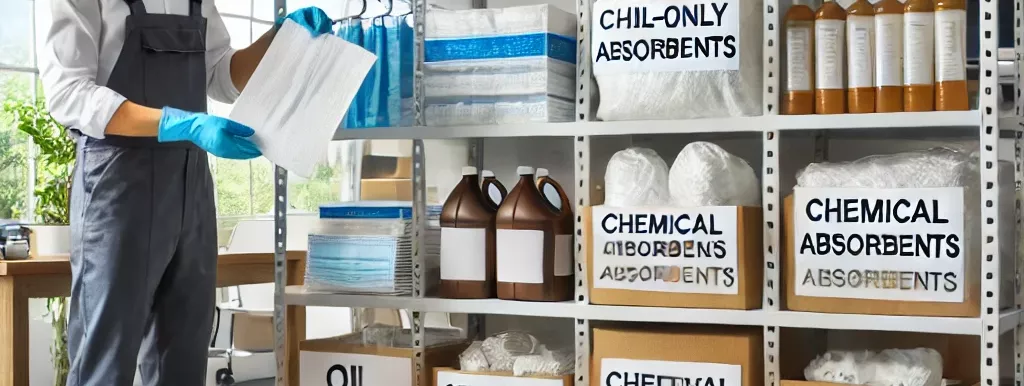
When accidents involving spills happen, being prepared can make all the difference. Whether in a factory, a warehouse, or even a small workshop, the ability to contain and clean up a spill quickly is critical. This is where spill kits come into play. If you're new to spill kits or unsure which one suits your needs, this guide will provide you with all the necessary information. At SERPRO Ltd, we specialise in providing top-tier spill control solutions, ensuring you're always ready for the unexpected.
What Is a Spill Kit?
A spill kit is a collection of tools and materials designed to manage and clean up spills effectively. These kits are tailored for different types of liquids, including oil, chemicals, and general-purpose fluids. They’re essential for protecting both people and the environment from potential harm caused by spills.
Why Are Spill Kits Important?
- Safety: Prevent slips, falls, or exposure to hazardous substances.
- Environmental Protection: Stop harmful liquids from contaminating soil or water sources.
- Legal Compliance: Meet environmental and health and safety regulations.
Types of Spill Kits
Spill kits come in various types, each designed for specific spill scenarios. Choosing the right kit depends on the kind of liquid you're dealing with.
1. Oil-Only Spill Kits
Oil-only spill kits are designed to absorb oil and petroleum-based liquids while repelling water. This makes them ideal for use in marine environments, garages, and industrial sites where oil spills are common.
Key Components:
- Oil-Absorbent Pads and Rolls: These absorb oils but won’t soak up water.
- Booms: Long barriers to contain and absorb oil on water or land.
- Waste Bags: For safe disposal of used absorbents.
- Personal Protective Equipment (PPE): Gloves and goggles to ensure safety during cleanup.
Best Applications:
- Fuel stations
- Marine spills
- Workshops or garages handling oil and grease
2. Chemical Spill Kits
Chemical spill kits are specially designed to handle hazardous and aggressive chemicals, including acids, bases, and solvents. These kits ensure safe cleanup without further reactions or damage.
Key Components:
- Chemical-Resistant Absorbents: Pads, socks, and pillows made to neutralise and contain chemicals.
- Neutralisers: In some cases, kits include neutralising agents to render the chemical safe.
- PPE: Includes gloves, goggles, and sometimes respirators.
- Instruction Manuals: Detailed guidance on handling hazardous spills.
Best Applications:
- Laboratories
- Industrial sites handling chemicals
- Healthcare facilities
3. General-Purpose Spill Kits
General-purpose kits, also known as maintenance spill kits, are versatile and designed for everyday spills involving non-hazardous liquids like water, coolants, and mild chemicals.
Key Components:
- Universal Absorbents: Pads and rolls suitable for oils, water, and mild chemicals.
- Socks and Pillows: To contain spills and prevent spreading.
- Disposal Bags: For proper waste management.
- PPE: Standard gloves and goggles for basic protection.
Best Applications:
- Offices
- Warehouses
- Maintenance areas
How to Choose the Right Spill Kit
With so many options, selecting the right spill kit might feel overwhelming. Consider these factors to ensure you choose the perfect fit for your needs.
1. Identify the Type of Liquid
The first step is to determine what kind of liquid you're likely to encounter in a spill:
- Oils and fuels: Opt for an oil-only spill kit.
- Hazardous chemicals: Choose a chemical spill kit.
- Everyday fluids: A general-purpose kit will suffice.
2. Assess the Volume of Potential Spills
Spill kits come in various sizes, from small portable kits to large industrial solutions. Estimate the volume of liquid you might need to contain:
- Small spills: A compact kit (20-30 litres) is ideal.
- Medium spills: Kits with 50-120 litres capacity are suitable.
- Large spills: Industrial kits exceeding 200 litres provide maximum coverage.
3. Consider the Environment
- Indoor use: A wheeled spill kit makes transport easier within facilities.
- Outdoor use: Weatherproof kits are essential for withstanding the elements.
- Marine environments: Oil-only kits with booms are crucial for water spills.
4. Compliance Requirements
Different industries have specific regulations regarding spill control. Ensure your spill kit meets the necessary legal standards. For example:
- Oil Pollution Prevention Regulations for oil storage
- Control of Substances Hazardous to Health (COSHH) guidelines for chemicals
5. Ease of Use
A spill kit is only as effective as its ease of deployment. Look for:
- Clear labelling and instructions
- Lightweight components for quick response
- Organised packaging for efficient access
Using a Spill Kit Effectively
Having a spill kit is just the first step; knowing how to use it is equally important.
Step-by-Step Guide to Spill Cleanup
- Assess the Spill: Identify the liquid type and ensure the area is safe to enter.
- Wear PPE: Protect yourself before approaching the spill.
- Contain the Spill: Use absorbent socks or booms to stop the spill from spreading.
- Absorb the Liquid: Place absorbent pads or pillows directly onto the spill.
- Dispose of Materials: Place used absorbents and contaminated items in disposal bags.
- Decontaminate the Area: If needed, use neutralisers or cleaning agents.
- Restock the Spill Kit: Ensure it’s ready for future use.
Training Matters
Provide regular training for employees on spill response procedures. Familiarity with the kit and its components ensures a swift and safe reaction during emergencies.
Why Choose SERPRO Ltd for Spill Kits?
At SERPRO Ltd, we understand the critical role spill kits play in protecting your business and the environment. Here’s why we stand out:
- Extensive Range: We offer oil, chemical, and general-purpose spill kits tailored to every industry.
- Custom Solutions: Need something unique? We can customise kits to suit specific requirements.
- Expert Advice: Our team is always on hand to help you choose the right product.
- Quality Assurance: Every product is designed to meet or exceed industry standards.
- Fast Delivery: With our efficient delivery service, you’ll never be caught unprepared.
The Cost of Not Being Prepared
Failing to have an appropriate spill kit can lead to:
- Environmental Damage: Untreated spills can harm ecosystems and lead to hefty fines.
- Legal Penalties: Non-compliance with regulations can cost businesses thousands.
- Operational Disruption: Cleaning up without the proper tools is time-consuming and inefficient.
Investing in the right spill kit is a small price to pay for peace of mind and long-term savings.
Conclusion
Whether you're dealing with oil, chemicals, or everyday fluids, having the right spill kit is essential for safety, compliance, and efficiency. By assessing your needs and choosing a trusted provider like SERPRO Ltd, you can ensure you're well-equipped to handle any spill scenario.
Take the first step towards spill readiness today. Visit www.serpro.co.uk to explore our wide range of spill kits and accessories. With SERPRO, you’re always prepared.