
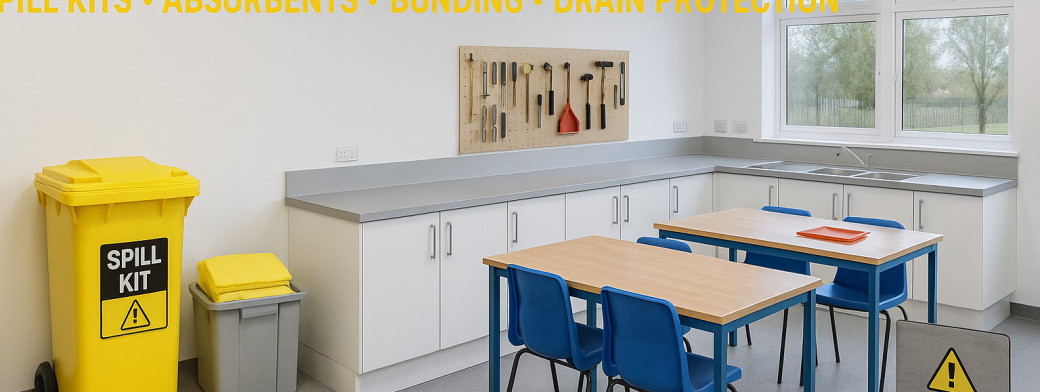
Introduction to Spill Control in D&T Rooms
Spill control refers to the proactive measures and strategies implemented to prevent, manage, and mitigate the effects of liquid spills, especially in environments such as school Design and Technology (D&T) rooms. Effective spill management is crucial in educational settings to ensure the safety of students and staff, maintain a clean and organised workspace, and comply with health and safety regulations.
In D&T rooms, various materials are used, including adhesives, paints, solvents, and machine oils, which can pose risks if spilled. Therefore, having a well-thought-out spill control plan not only minimises the potential for accidents but also prepares staff and students to respond effectively should a spill occur. This is particularly important given the dynamic nature of D&T activities, where spills can happen unexpectedly.
Common spills in D&T rooms often involve:
- Adhesives: These can create slippery surfaces and are often difficult to clean once dried.
- Paints: Spills can lead to staining and hazardous slip conditions if not managed swiftly.
- Solvents: These can be harmful to health and require careful handling and immediate containment.
- Machine oils: Oil spills can cause slips and also pose environmental hazards if not contained properly.
To effectively manage these risks, schools should consider investing in appropriate spill response equipment, such as spill kits and absorbent pads, and ensure that all staff are trained in spill response procedures. Regular inspections and proper storage of hazardous materials are also essential components of a comprehensive spill management strategy.
For more information on controlling hazardous substances, visit the HSE COSHH essentials page, or for guidance on preventing slips and trips, check the HSE slips and trips guidelines.
Common Liquids and Spill Sources
In Design and Technology (D&T) rooms, various liquids are commonly used that can pose risks if spilled. Understanding the types of liquids and their typical sources of spills is essential for effective spill management.
Common Liquids
- Oils: Often used in machinery, oils can create slippery surfaces and may require specific absorbents for safe cleanup.
- Adhesives: These can range from PVA glues to industrial-strength adhesives, and spills can lead to difficult cleanup and potential hazards.
- Paints: Water-based and solvent-based paints are frequently used in D&T projects, and proper containment is crucial to prevent environmental contamination.
- Solvents: Used for cleaning and thinning, solvents can be harmful if spilled, necessitating immediate and careful handling.
Typical Sources of Spills
Spills in D&T rooms typically originate from:
- Workstations: Areas where students are actively working can easily become spill zones, especially when multiple liquids are in use.
- Storage Areas: Improperly sealed containers or overfilled bottles can lead to leaks, making storage areas a common source of spills.
To mitigate these risks, it is crucial to have appropriate spill response materials on hand. For instance, oil-only absorbents can be particularly effective for oil spills, while general-purpose absorbents are suitable for a variety of liquids. Regular inspections of these areas can help identify potential spill sources and ensure that cleanup supplies are readily available. For further guidance on pollution prevention, visit GOV.UK.
Supervision and Responsibility
Effective spill management in school Design and Technology (D&T) rooms is crucial for maintaining a safe learning environment. One of the key components of this management is trained staff supervision. Teachers play a vital role in overseeing activities in the D&T room, ensuring that students are aware of the potential hazards associated with various materials such as machine oil, adhesives, paints, and solvents. Proper training equips staff with the knowledge to respond swiftly and effectively to spills, minimising risks to both students and the environment.
In addition to staff supervision, students also have responsibilities when it comes to spill response. They should be educated on the importance of reporting spills immediately, understanding that quick action can prevent accidents and reduce the severity of a situation. Regular training sessions can instill a sense of responsibility in students, making them proactive in maintaining safety. This collective effort between staff and students fosters a culture of safety within the D&T room.
Furthermore, having clearly labelled spill stations stocked with absorbent pads, rolls, and socks readily available can streamline the response process. These resources should be easily accessible and integrated into routine inspections to ensure preparedness. For more comprehensive guidance on preventing slips and trips related to spills, refer to the HSE guidance on slips and trips.
In conclusion, the combination of trained staff supervision and active student participation is essential for effective spill management in D&T rooms. By fostering a collaborative approach and ensuring the availability of spill control resources, schools can create a safer learning environment for all.
Effective Storage Solutions
Proper storage solutions are crucial in Design and Technology (D&T) rooms to ensure the safe handling of hazardous materials such as oils, paints, adhesives, and solvents. Implementing effective storage practices not only reduces the risk of spills but also promotes a safer working environment for students and staff.
Types of Storage Solutions
When it comes to storing hazardous materials, the following types of storage solutions are recommended:
- Cabinets: Lockable cabinets designed for hazardous substances should be used to house chemicals and solvents. These cabinets should be clearly labelled and kept away from heat sources.
- Containers: Use appropriate containers for different types of liquids. Ensure that containers are made from compatible materials that can withstand the stored substances. For example, chemical absorbents, such as those found at SERPRO, can be useful for managing unexpected leaks.
Best Practices for Storing Liquids
To further mitigate risks, follow these best practices when storing liquids:
- Always store liquids in an upright position and ensure they are tightly sealed to prevent leaks.
- Utilise drip trays beneath containers to catch any potential spills or leaks, thus preventing contamination of the surrounding area.
- Regularly inspect storage areas and containers for signs of wear or damage, and replace any compromised items immediately.
- Keep Material Safety Data Sheets (MSDS) readily accessible for all stored substances, as outlined in HSE COSHH guidelines.
- Ensure that spill kits, including absorbent pads and socks, are easily accessible and clearly labelled, so that staff can respond promptly to any incidents.
By implementing these effective storage solutions and best practices, schools can significantly reduce the risk of spills in D&T rooms, creating a safer environment for everyone involved.
Spill Response Procedures
Effective spill response is crucial in Design and Technology (D&T) rooms to ensure the safety of students and staff. When a spill occurs, immediate actions must be taken to mitigate risks and prevent accidents.
Immediate Actions to Take
As soon as a spill is noticed, the first step is to alert others in the vicinity and ensure the area is safe. If necessary, evacuate the area to prevent slips and falls. Next, assess the type of liquid involved—whether it is oil, paint, adhesive, or a cleaning fluid—before proceeding with the clean-up. This assessment will help in selecting the appropriate spill kit and absorbents.
Use of Spill Kits and Absorbents
Utilising spill kits is essential for a quick and effective response. These kits should be easily accessible in the D&T room and stocked with absorbent pads, socks, and disposal bags. For different types of spills, specific absorbents should be used: for example, oil-only absorbents for machine oil spills and general-purpose absorbents for paints and adhesives. After soaking up the spill, ensure that the used absorbents are disposed of properly using disposal bags to prevent further contamination.
Importance of Clear Labelling and Signage
To enhance spill response efficiency, it is vital to have clear labelling and signage in place. Spill stations should be marked with visible signs to indicate the location of spill kits and safety equipment. This not only aids in a swift response but also helps in educating students on spill management practices. Regular training and drills can further reinforce the importance of these procedures.
For more information on spill management and prevention, refer to the UK Government's guidance on pollution prevention.
Safety Measures and Best Practices
Creating a safe working environment in school Design and Technology (D&T) rooms is paramount, particularly when handling potentially hazardous materials such as oils, paints, and adhesives. Implementing effective spill control measures can significantly reduce the risk of accidents and ensure the safety of both students and staff.
Regular Inspections and Maintenance Routines
Conducting regular inspections and maintenance routines is essential for identifying potential spill hazards before they escalate. This includes checking for leaks in machinery, ensuring that spill containment equipment such as drain covers are in place, and verifying that all spill kits are fully stocked and accessible. Establishing a routine inspection schedule can help maintain a safe environment and ensure that all safety measures are in compliance with current regulations.
Housekeeping Practices to Avoid Spills
Good housekeeping practices play a crucial role in preventing spills. Keeping workspaces clean and organised reduces the likelihood of accidents. Ensure that all materials are stored properly, and spills are promptly cleaned up using appropriate absorbents. Designate specific areas for the storage of oils, paints, and solvents, and avoid overfilling containers to minimise the risk of spills. Regularly train students on the importance of maintaining a tidy workspace and the correct procedures for handling materials.
Training for Students and Staff
Training is vital for ensuring that both students and staff understand the risks associated with spills and the procedures for managing them. Provide comprehensive training sessions that cover the correct use of absorbents, the importance of spill kits, and how to respond in the event of a spill. This training should also include proper waste disposal methods to ensure that hazardous materials are handled safely and responsibly.
By implementing these safety measures and best practices, schools can create a safer working environment in D&T rooms, minimising the risks associated with spills and enhancing overall safety for all users.
Waste Separation and Disposal
In Design and Technology (D&T) rooms, effective waste separation is crucial for maintaining a safe and environmentally friendly workspace. Proper disposal methods not only help in managing hazardous waste but also ensure compliance with regulations, such as those outlined in GOV.UK guidance on pollution prevention for businesses. By segregating waste materials correctly, schools can mitigate risks associated with spills and contamination.
The Importance of Waste Segregation
Waste segregation involves categorising materials based on their disposal requirements. This practice is essential in D&T rooms where various hazardous substances, such as oils, paints, solvents, and adhesives, are frequently used. By separating these materials, schools can prevent dangerous reactions and ensure that each type of waste is disposed of appropriately, reducing the risk of environmental harm and enhancing safety for students and staff.
Recommended Disposal Methods for Different Materials
- Oils: Used oil should be collected in designated containers and disposed of through a licensed oil recycling service.
- Paints and Solvents: These should be stored in clearly labelled containers and taken to a local hazardous waste disposal facility.
- Adhesives: Solidified adhesives can typically be disposed of in general waste, while liquid adhesives should follow the same disposal guidelines as paints and solvents.
- Cleaning Fluids: Empty containers of cleaning fluids should be rinsed and disposed of according to the manufacturer's instructions, often requiring hazardous waste disposal.
For safe handling of waste, ensure that staff are equipped with protective gear such as gloves, which can be found at SERPRO. Regular training on waste disposal methods and clear labelling of waste stations can further enhance safety and compliance in the D&T environment.
Routine Inspections and Continuous Improvement
Routine inspections play a crucial role in maintaining effective spill control measures within school Design and Technology (D&T) rooms. These inspections should be conducted regularly—ideally on a weekly basis—to ensure that all spill control equipment is in good condition and readily accessible. Establishing a consistent inspection schedule helps to identify potential issues before they escalate into more significant hazards.
Inspection Checklist
During these inspections, it is essential to follow a comprehensive checklist to assess the condition of spill control measures. Key items to include are:
- Condition and availability of absorbent rolls, pads, and socks
- Proper storage of hazardous materials, including oils, paints, and adhesives
- Accessibility of spill kits and personal protective equipment (PPE)
- Clear labelling of spill stations for easy identification
- Inspection of drip trays and drain covers for integrity
- Assessment of floor conditions to prevent slips and trips
Feedback Mechanisms for Improvement
To foster a culture of continuous improvement, schools should implement feedback mechanisms that encourage staff and students to report any issues or suggestions related to spill control. Regular training sessions can also help reinforce the importance of spill preparedness. Incorporating feedback into routine inspections can lead to enhanced safety measures and improved response strategies. For further guidance on managing hazardous substances, consider reviewing the HSE COSHH essentials.
Conclusion
In summary, effective spill management in school Design and Technology (D&T) rooms is crucial to ensuring a safe and productive learning environment. We discussed the importance of being prepared for spills from various substances, including machine oils, adhesives, paints, and solvents. Implementing proactive measures such as maintaining adequate supplies of absorbent materials, ensuring proper storage, and establishing clear spill response protocols can significantly mitigate risks.
It’s essential for schools to continuously assess their spill control strategies, including regular inspections and staff training, to create a culture of safety. By prioritising spill preparedness, schools not only protect their students and staff but also contribute to a more efficient and organised workspace. We encourage all educational institutions to adopt effective spill management practices and to invest in the necessary resources to safeguard their D&T rooms.