
Last reviewed: 13 November 2026
Fuel transfers, engine maintenance and everyday boat movements all bring the possibility of an oil spill in a marina. A few drops beneath an outboard engine may be straightforward to control, but oil escaping into the water is a different matter. It can spread beyond the berth and affect neighbouring boats, wildlife and shorelines.
Choose oil-only absorbents for oil on water
Oil-only absorbents are designed to take up hydrocarbons such as diesel, petrol and lubricating oil while repelling water. That makes them especially useful in wet conditions and for appropriately trained responders dealing with small, accessible surface spills. A dedicated oil spill kit can bring pads, socks or booms and disposal materials together at the point where they are needed.
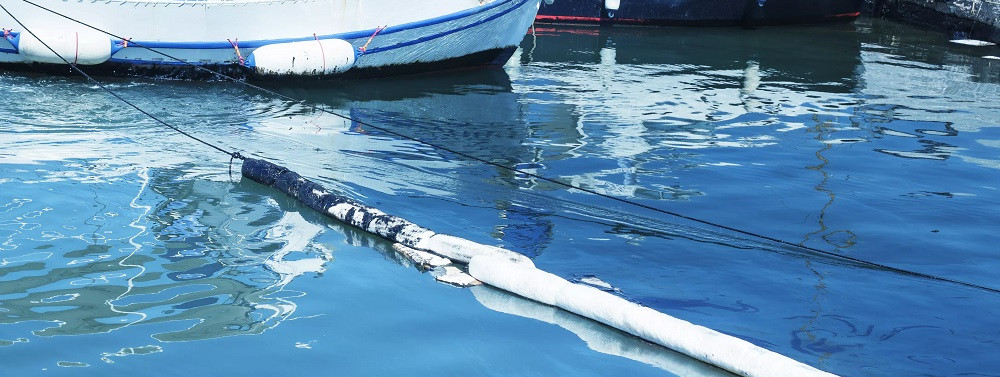
Different products have different jobs. Pads are convenient for drips on decks and hardstanding. Socks can help contain a localised leak on a suitable surface. Marine booms are intended to help control floating oil, although their suitability depends on the location, water movement and scale of the incident. Absorbents do not make a spill harmless or replace a proper response to larger releases.
Put prevention first at fuelling and servicing points
Check hoses, couplings and nozzles before fuel transfer. Keep containers secure, avoid overfilling and use drip trays under known leak points where practical. These simple measures are often more effective than repeatedly cleaning up the same drip. Make sure staff and berth holders know where spill equipment is kept and whom to alert if something leaks.
At waterside facilities, response equipment must be easy to reach without obstructing pontoons or escape routes. Check kit contents routinely and replenish anything used. Oil-saturated absorbents should never be left loose near the water.
What to do when oil is released
- Raise the alarm and make the area safe. Stop the source if it is safe to do so. Keep people away from slippery surfaces and avoid ignition sources if fuel is involved.
- Protect the water and drainage. Use appropriate containment only if staff are trained and conditions allow. Do not wash oil away or use detergents to disperse it.
- Report the incident. Follow the marina's emergency plan and contact the relevant harbour authority, regulator or emergency services as required. Pollution incidents need prompt reporting.
- Recover and dispose of waste correctly. Collect used absorbents in compatible, secure containers and arrange the appropriate waste classification and collection.
Marine spills can quickly exceed what a portable kit can manage. If there is significant fuel, strong currents, fire risk or a risk to people, withdraw and obtain specialist help rather than attempting an improvised clean-up.
Making the spill plan workable
A useful plan identifies the most likely spill points, available equipment, safe access routes and emergency contacts. It should cover both the waterside and landside areas, including refuelling bays, workshops, storage areas and car parks. In England, the Environment Agency's pollution-prevention guidance provides additional advice on preventing pollutants reaching the environment; different guidance applies elsewhere in the UK.
The aim is not to own the largest spill kit. It is to have the right equipment, in the right place, and people who understand when to use it and when to call for help.
Further resources
Related podcast